
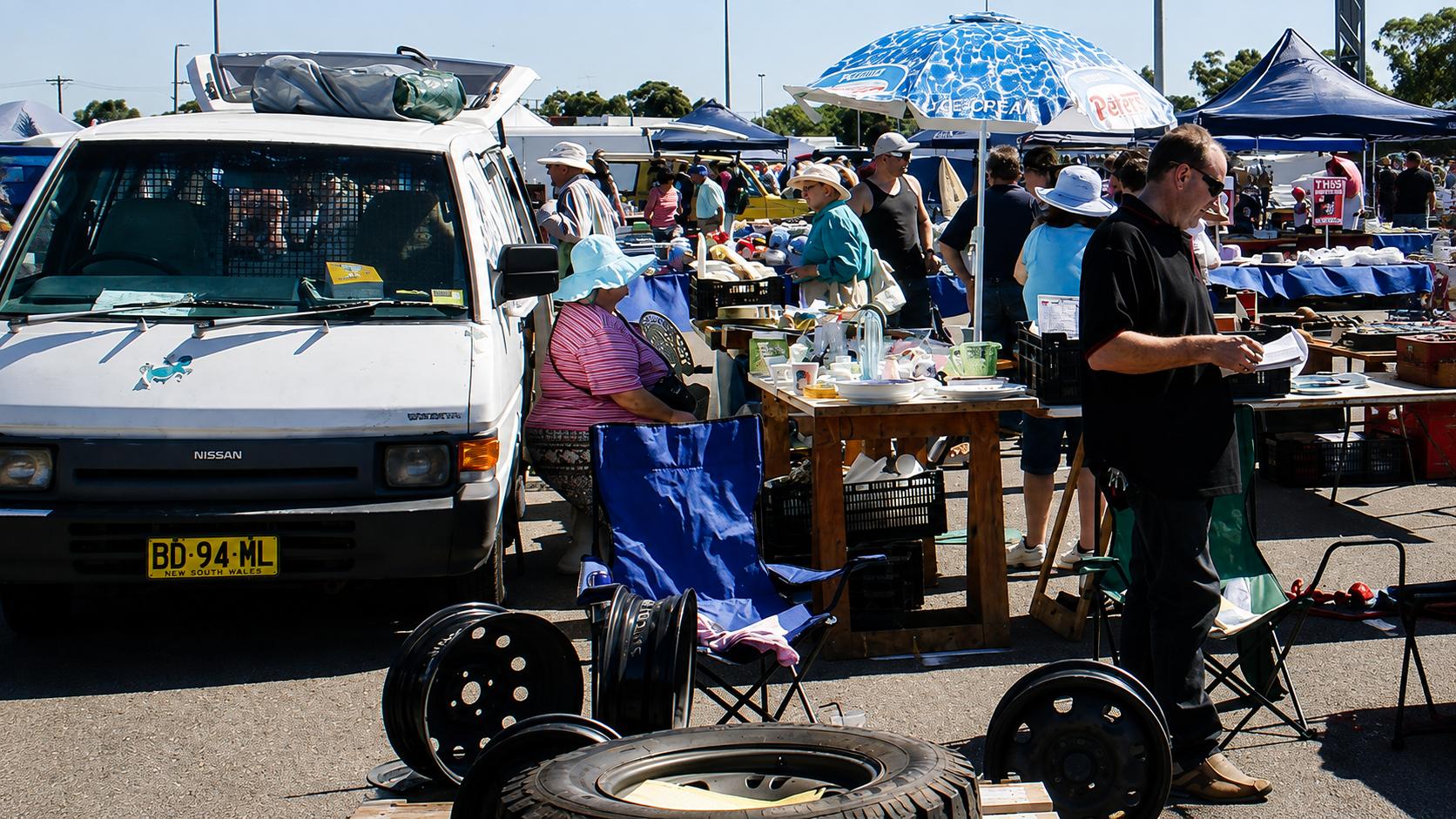
The car boot sale has survived the internet, which nobody expected. Online marketplaces were supposed to finish it off entirely, and instead the boot sale has settled into a comfortable niche as the place for the things nobody can be bothered to photograph, list, package and post.
For buyers it remains one of the few genuinely unpredictable retail experiences left. For sellers it is a way of turning a loft into cash in a single morning. Both work considerably better with a bit of preparation.
Arrive absurdly early, or do not bother.
The single most important rule of buying at a boot sale is that the good things go in the first hour, and frequently in the first fifteen minutes.
Dealers arrive before the sellers have finished unpacking, and in some cases before they have got out of the car. Anything genuinely valuable is identified, bought and in a van before most of the public have parked.
If you are looking for something specific, particularly anything collectable, be there at opening. If you are browsing for household items, children's toys, books and general usefulness, arriving later is fine and prices soften considerably towards the end.
The last half hour is the bargain window, when sellers would rather take a pound than load it back into the car. It is also when the picked-over remains are all that is left, so it is a trade-off.
Cash, and specifically small notes.
Most sellers are cash-only, and although card readers have appeared, assuming one will be available is a good way to miss out.
Bring plenty of small notes and coins. Turning up to buy a fifty pence item with a twenty pound note irritates sellers and frequently means the deal does not happen.
Take a bag, ideally a rucksack that leaves your hands free, and a folding shopping bag for anything larger.
Haggling is expected, within reason.
Prices at boot sales are opening positions rather than fixed, and sellers expect an offer. Refusing to haggle is not politeness; it is simply paying more than you needed to.
The convention is straightforward. Ask what they want for it, make a lower offer, settle in the middle. Buying several items together gives you leverage for a bundle price.
What does not work is aggressive lowballing or criticising the item to drive the price down. Sellers are people standing in a field at seven in the morning, and rudeness gets you nowhere.
If a seller says a price is firm, accept it and move on.
What to check before buying.
Electrical items are the main risk, since you cannot test them and there is no comeback. Look for damaged cables, missing earth pins and signs of repair, and be aware that anything you buy is unlikely to have been safety tested.
Check that things are complete. Board games missing pieces, tools missing attachments and appliances missing accessories are extremely common.
For clothing, check seams, zips and stains in daylight rather than in a shaded pitch.
Anything branded and expensive-looking at an implausibly low price is probably counterfeit, and selling counterfeit goods is a criminal offence regardless of the setting.
Your consumer rights at a boot sale are very limited. Private sellers are only required not to misdescribe goods, and there is no right to return something you have changed your mind about.
Selling: the preparation matters more than the day.
Book or check the pitch arrangements in advance, since some sales require booking and others operate on the day, and prices differ between a car pitch and a van pitch.
Price everything beforehand, at home, when you are calm. Deciding prices while three people are simultaneously asking is how sellers end up giving things away.
Be realistic. Boot sale prices bear no relation to what you paid, and the emotional value of an item is not transferable. Anything you would be upset to sell for a pound should not be there.
Take a table if you can. Items on a table sell far better than items in boxes on the ground, and a rail for clothing sells better still.
Bring bags for buyers, a float of small change in a bag strapped to you rather than a cash box left on the table, and something to sit on.
On the day.
Arrive at the time the organisers specify, since latecomers get the worst pitches.
Expect to be swarmed while unpacking. Dealers will approach before you have opened the boot, asking whether you have any jewellery, gold, coins, watches, vinyl or toys. You can sell to them if you wish, and you can equally say you are not selling until you have unpacked.
Group similar items together, keep the table tidy through the morning as things sell, and reduce prices as the day goes on rather than taking things home.
Do not leave the stall unattended. Take a friend if you can, both for cover and for the company.
Decide in advance what happens to whatever does not sell. Charity shops, a local reuse organisation or the tip, but decide, because putting it all back in the loft defeats the entire purpose.
The wider point.
Boot sales are one of the more environmentally sensible things people do without thinking about it. Reuse at scale, no packaging, no delivery miles, and a second life for a very large volume of goods that would otherwise be thrown away.
They are also social in a way that online selling is not, and the North East has a strong tradition of them, with sales operating across Tyneside, Northumberland and Durham, largely at weekends and largely seasonally.
Check locally before setting off, since sales are weather-dependent and many close through the winter.
Share your thoughts.
What is the best thing you have ever picked up at a car boot sale?
Lifestyle News
Car Boot Sales Around Newcastle: Buying and Selling Well
Advertisement




Comments (0)
You must be logged in to post comments.
Don't have an account? Register here
No comments yet. Be the first to share your thoughts!