
The phrase county lines has moved from police briefings into general use over the past decade, though what it actually describes is not always well understood.
At its core it is a model of drug distribution that depends on exploitation. The people most visible in it, and most likely to be arrested, are frequently the ones being used rather than the ones profiting.
Here is how the model works, what cuckooing means in practice, and the warning signs that neighbours, families and teachers are often best placed to spot.
The line is a phone number, not a place.
The term refers to a dedicated mobile phone line used to take drug orders. Customers text or call the number, and runners are dispatched to deliver.
The organisers behind the line typically operate from a larger urban centre and extend supply into smaller towns and coastal areas. Crucially, they rarely handle drugs themselves and often never travel to the areas being supplied.
Lines are branded, marketed by bulk text message, and treated as business assets that can be sold on. The model is deliberately structured so that those at the top are insulated from the risk taken by those at the bottom.
Children are recruited because they are useful.
Young people are targeted precisely because they attract less attention, are cheaper, and are easier to control through a mixture of reward, debt and fear.
Recruitment often begins with apparent generosity. Money, trainers, a phone, food, status among peers, or attention from someone older who appears to take an interest.
The relationship then shifts. A debt is created, frequently through a supposed loss or robbery of drugs or money that the young person is then told they must work off. That debt bondage is the mechanism that keeps them in place, and it can escalate quickly.
Exploited young people are victims in law.
This point matters and is often missed. Children involved in county lines are recognised as victims of criminal exploitation, and the framework of the Modern Slavery Act 2015 can apply.
The National Referral Mechanism exists to identify and support victims of modern slavery and trafficking, including children exploited in this way. A statutory defence may be available in some circumstances.
That does not mean nobody is ever prosecuted. It does mean the response should look very different for a fifteen year old moved between cities under threat than for the adult directing the operation.
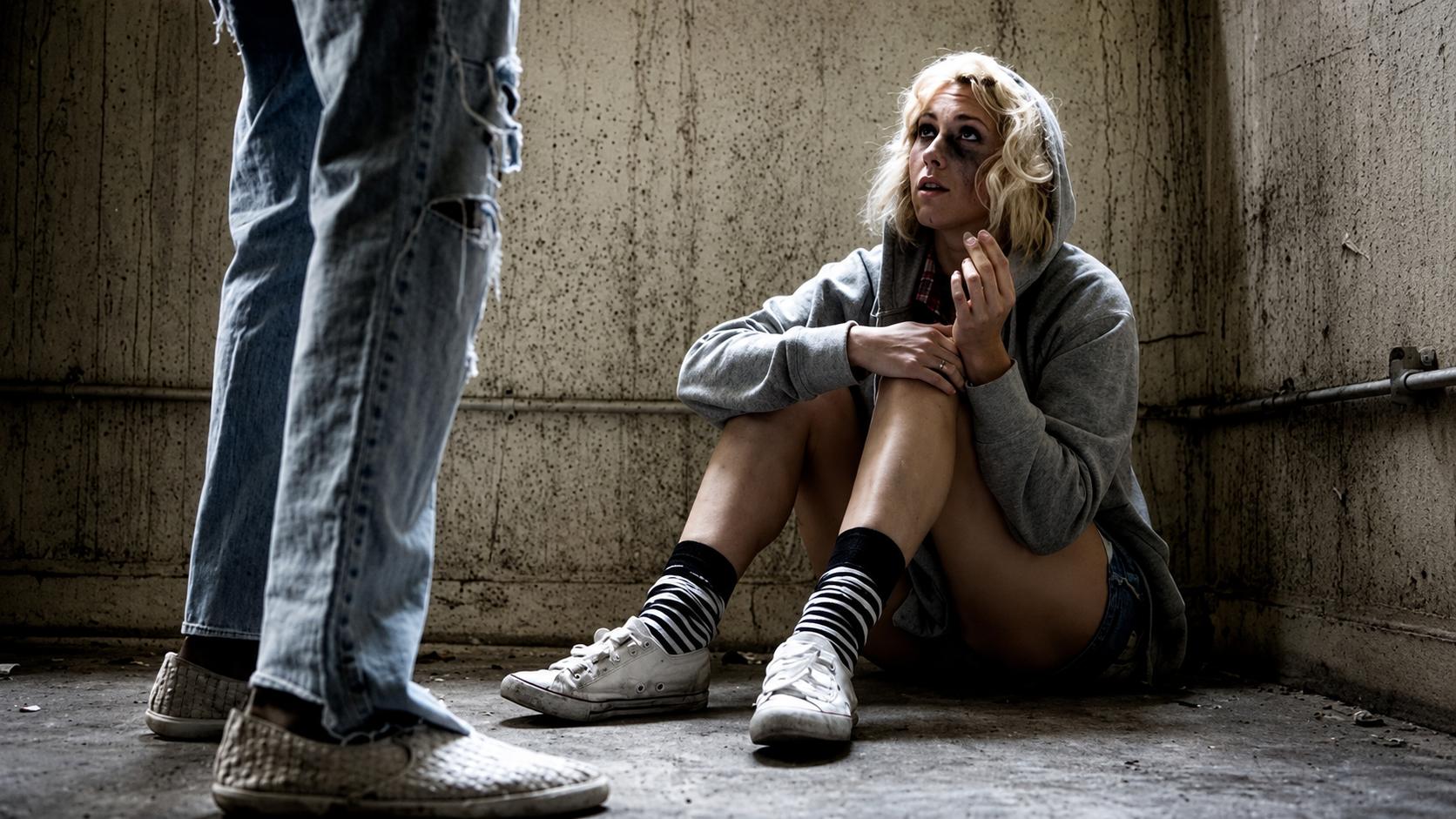
Cuckooing takes over a home.
The name comes from the bird that lays its eggs in another's nest. In practice it means a drug network taking over the home of a vulnerable person and using it as a base.
Targets are typically people who are isolated and unlikely to complain. That often includes people with substance dependencies, mental health difficulties or learning disabilities, older residents living alone, and those recently housed after periods of homelessness.
It frequently starts with what looks like friendship or a small favour, and progresses to occupation. The occupier may be too frightened, too dependent or too ashamed to report what has happened.
The signs are often visible from outside.
Neighbours are frequently the first to notice something has changed, and the pattern is reasonably consistent.
Warning signs include a sudden and sustained increase in visitors, particularly brief visits at unusual hours, and unfamiliar people coming and going with their own key. Curtains permanently closed, a previously sociable resident no longer seen, unfamiliar cars, taxis dropping off repeatedly and increased litter or noise are all commonly reported.
Any one of these means little on its own. A combination developing over a short period is worth taking seriously.
Signs in a young person follow a pattern too.
Families and schools tend to notice changes before anyone else. Going missing from home or school, particularly overnight or returning from another town, is among the most significant indicators.
Others include unexplained money, new clothing or an expensive phone, carrying more than one phone, sudden new associates who are older, secrecy about whereabouts, unexplained injuries, and a marked change in behaviour or withdrawal from family.
Signs of anxiety about being contacted, or a phone that must be answered immediately at any hour, are frequently reported by parents afterwards.
Reporting is possible without giving your name.
For anything happening immediately, or where someone is in danger, the answer is 999.
For non-emergency reporting, forces including Northumbria Police take reports on 101 and online. Crimestoppers accepts information anonymously, and Fearless is its dedicated service for young people.
Concerns about a child should also go to the local authority safeguarding team. Newcastle City Council, like every authority, operates a route for reporting concerns about a child's welfare, and you do not need to be certain before raising something.
Communities notice things police cannot.
Investigation of these networks depends heavily on intelligence, and much of the most useful information comes from residents describing patterns rather than incidents.
You do not need proof, and you are not expected to investigate. Describing what you have observed, over what period, is sufficient and genuinely useful.
The reluctance many people feel about reporting a neighbour is understandable. It is worth remembering that in cuckooing cases the person living there is far more likely to be a victim than an organiser, and reporting may be what eventually gets them help.
Share your thoughts.
Do you think enough is being done to protect exploited young people in the North East?
Crime News
County Lines and Cuckooing: The Warning Signs to Know
County lines drug networks rely on exploiting children and taking over the homes of vulnerable adults, and the warning signs are often visible to neighbours.
Advertisement


Comments (0)
You must be logged in to post comments.
Don't have an account? Register here
No comments yet. Be the first to share your thoughts!