
Millions of phones sounded across England and Wales on Friday evening as the Government issued an emergency warning over the heightened risk of wildfires, but not everyone heard the distinctive siren.
If your phone remained silent in Newcastle or elsewhere in the North East, there are several possible explanations - and it does not automatically mean your device is faulty.
The wildfire warning was issued at around 7pm on August 14 as authorities urged people not to light barbecues, campfires, fireworks or anything else capable of starting a blaze.
It represented the most extensive use of the UK's Emergency Alerts system in response to an active incident, according to the Government.
So what should you check if everyone else's phone suddenly started sounding but yours did nothing?
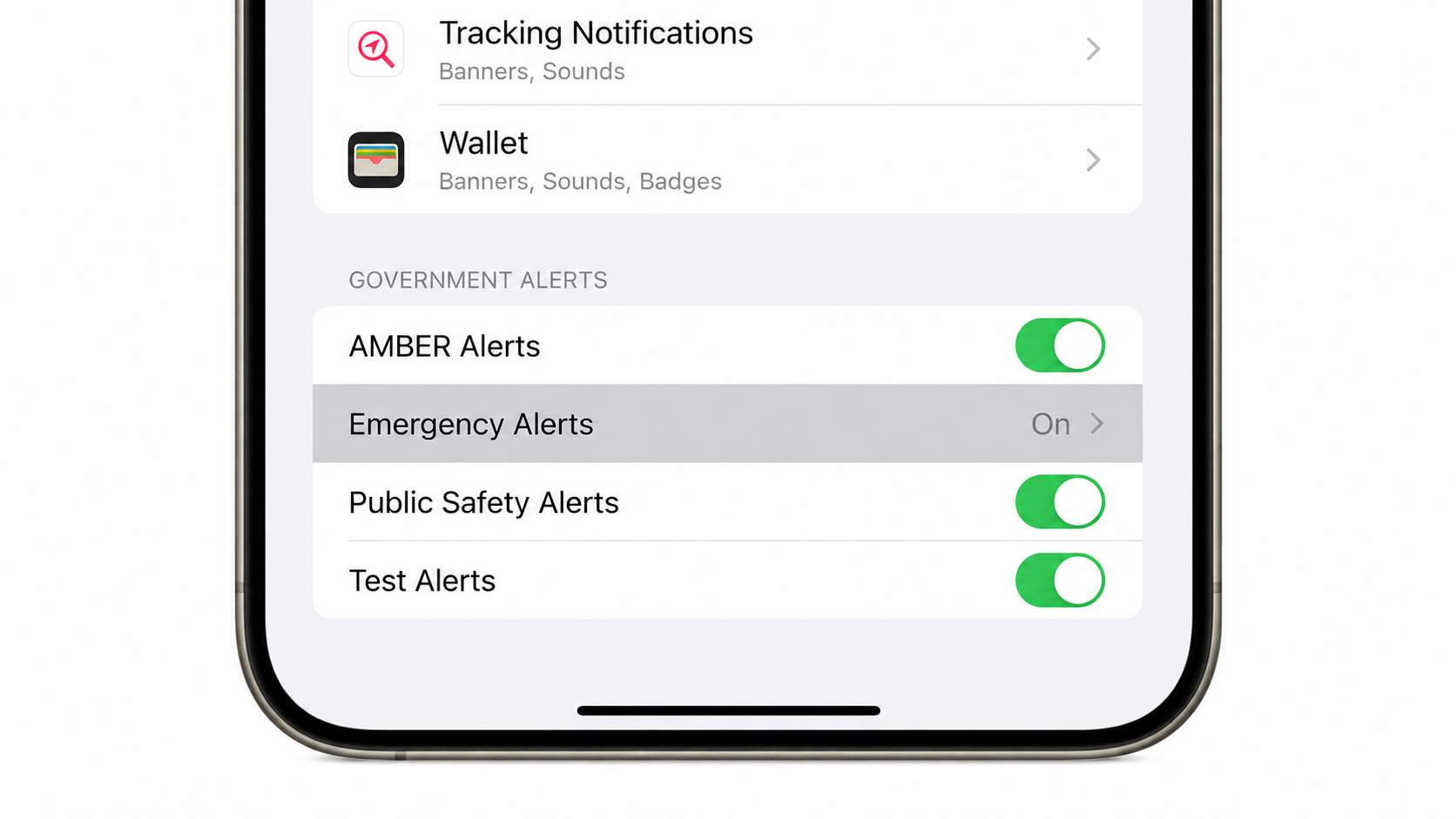
Check whether Emergency Alerts are enabled.
The first place to look is your phone's settings.
On many devices, searching the settings menu for "Emergency Alerts" will bring up the relevant controls. Government guidance recommends keeping emergency warnings switched on because they are intended to provide potentially life-saving information.
Compatible iPhones generally require iOS 14.5 or later, while Android devices generally need Android 11 or later, although some earlier Android phones may also support the system.
If you have previously disabled severe or extreme alerts, this could explain why Friday's wildfire warning failed to appear.
Your mobile network connection matters.
UK Emergency Alerts are transmitted using 4G and 5G mobile networks rather than being sent as conventional text messages.
A phone connected only to 2G or 3G may therefore not receive the warning. The same applies to devices operating only through Wi-Fi.
Phones that were switched off or placed into airplane mode when the warning was transmitted may also have remained silent.
That means two people sitting together in a Newcastle restaurant, office or home could potentially have completely different experiences when an alert is issued.
Older phones may not receive the warning.
The age and software version of your handset can also make a difference.
Emergency Alerts rely on compatible technology built into modern mobile devices. Owners of older phones should check whether their handset supports the service and whether the latest available software updates have been installed.
The good news is that the overwhelming majority of the country now has access to suitable mobile infrastructure.
Ofcom's Spring 2026 figures show that 96% of the UK's landmass has predicted good outdoor 4G coverage from at least one mobile operator, while every operator provides outdoor 4G coverage to at least 99% of UK premises.
Overall outdoor 5G coverage has also expanded significantly, ranging from approximately 76% to 94% depending on the operator.
Why was the wildfire alert issued.
Friday's warning followed an extraordinary period for Britain's fire and rescue services.
More than 1,000 wildfires were recorded during the whole of 2025, but the number of incidents in 2026 has already surpassed that figure.
July alone saw hundreds of incidents and was described as the busiest month on record for wildfires, while major fires have continued during the August heatwave.
The danger is not restricted to areas where large fires are already burning. Dry grass, vegetation and moorland can provide fuel for fires elsewhere, which is why residents across Newcastle and the North East were included in the wider warning.
People have been asked to avoid activities capable of creating sparks or flames and to call 999 immediately if they discover a fire.
You do not need to register for future alerts.
There is no Emergency Alerts mailing list and you do not need to give the Government your Newcastle address or mobile number.
The technology uses cell broadcasting. Mobile masts within the chosen warning area transmit the alert to compatible devices connected to them.
The Government says it does not need your telephone number or precise location to do this, and personal information about you or your device is not collected through the Emergency Alerts service.
If your phone failed to sound on Friday, there is therefore no account or registration that needs updating.
Instead, check that your handset is compatible, updated, connected to a suitable mobile network and has Emergency Alerts enabled.
What should Newcastle residents do now.
Missing the alert does not remove the underlying wildfire risk.
Residents across Newcastle, North Tyneside, Gateshead, Northumberland and the wider North East should continue following official safety advice while hot and dry conditions persist.
The Government has urged people to avoid lighting fires, including barbecues, campfires and fireworks, during the period of heightened risk.
Anyone concerned that their phone failed to receive the warning can also check their manufacturer's guidance and Emergency Alert settings now, rather than discovering a problem when another urgent warning is issued.
Share your experience.
Did your phone miss the UK wildfire warning?
Tech News
Didn't Get the Wildfire Alert? Check Your Phone Now
Advertisement




Comments (0)
You must be logged in to post comments.
Don't have an account? Register here
No comments yet. Be the first to share your thoughts!