
Exploring Newcastle’s historic bridges offers a captivating journey through time, showcasing architectural marvels and engineering feats. From the iconic Tyne Bridge to the innovative Gateshead Millennium Bridge, these structures not only connect the city but also narrate its rich industrial heritage and vibrant cultural evolution.
The Iconic Tyne Bridge
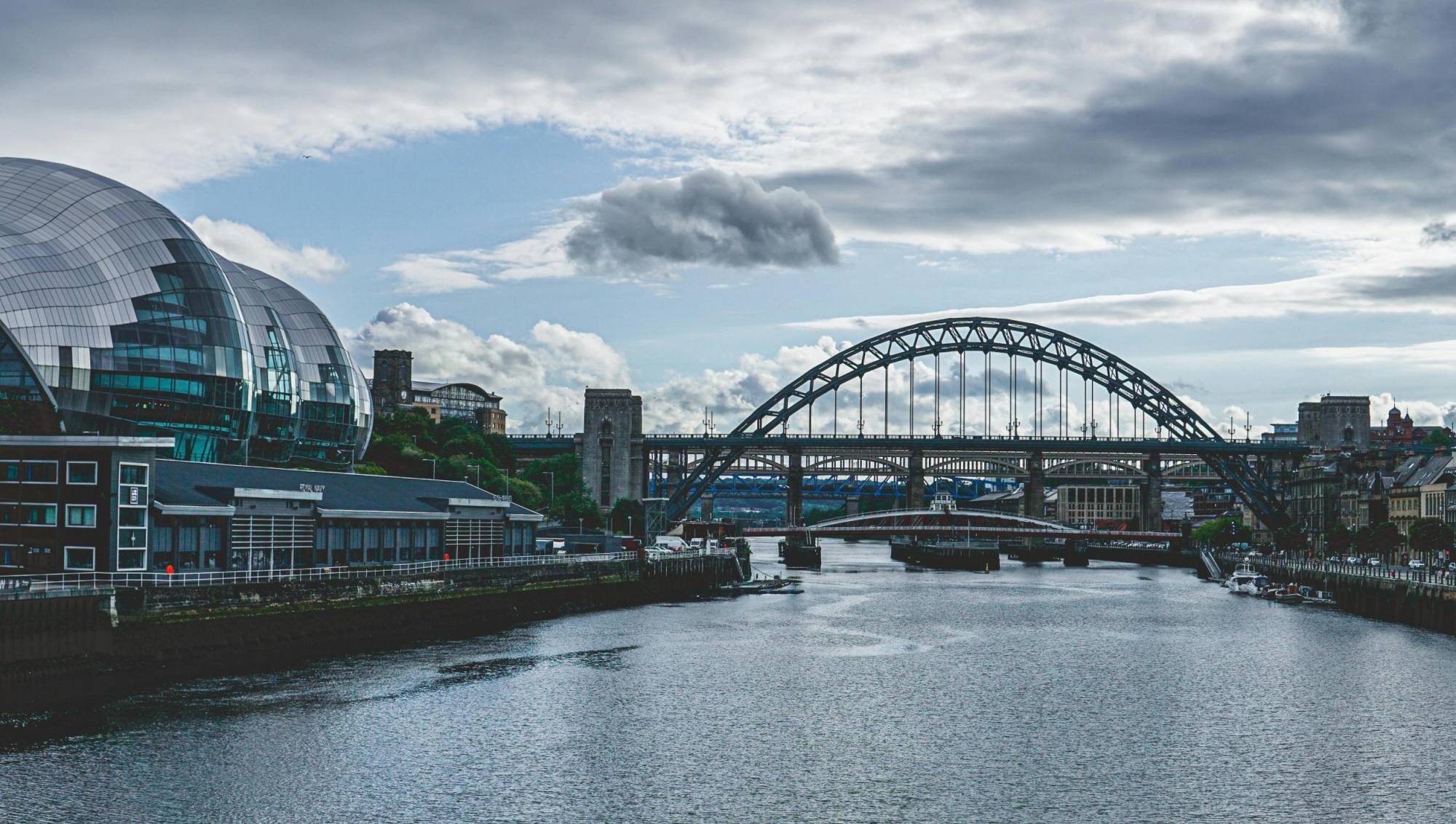
The Tyne Bridge is perhaps the most recognisable of Newcastle’s bridges, an emblem of the city’s industrial past and its enduring spirit. Opened in 1928, this steel arch bridge was designed by Mott, Hay and Anderson, the same firm responsible for the Forth Road Bridge. Its construction was a remarkable feat of engineering at the time, involving the use of massive cranes to hoist the steel sections into place. The bridge’s design is often compared to that of the Sydney Harbour Bridge, which was completed four years later by the same engineering firm.
For travellers, walking across the Tyne Bridge offers stunning views of the Quayside and the River Tyne below. The bridge connects Newcastle with Gateshead, symbolising unity and progress. It is not just a functional structure but a cultural icon, frequently featured in local festivals and events. Visitors can also explore the nearby BALTIC Centre for Contemporary Art and Sage Gateshead, both of which are easily accessible from the bridge.
The High Level Bridge
Another engineering marvel is the High Level Bridge, which was opened in 1849. Designed by Robert Stephenson, this dual-purpose bridge carries both rail and road traffic. It was a pioneering structure at its time, being one of the first major bridges to use wrought iron in its construction. The High Level Bridge stands as a testament to Victorian engineering prowess and remains in use today.
Travellers interested in history will find the High Level Bridge fascinating not only for its design but also for its role in transforming Newcastle into a major transport hub during the Industrial Revolution. Walking along this bridge offers a unique perspective on the city’s development, with views of both historic and modern landmarks.
The Swing Bridge
The Swing Bridge is another notable structure that adds to Newcastle’s rich tapestry of bridges. Built on the site of previous Roman and medieval bridges, it was opened in 1876. This hydraulic swing bridge was designed by Sir W.G. Armstrong and was considered an engineering marvel of its time. Its ability to pivot 90 degrees to allow ships to pass is a testament to the innovative spirit that characterised Newcastle during the industrial era.
For visitors, witnessing the Swing Bridge in action is a highlight. The bridge still operates several times a day, allowing boats to navigate the River Tyne. Its location offers easy access to both sides of the river, making it a convenient crossing point for pedestrians exploring the Quayside area.
The Gateshead Millennium Bridge
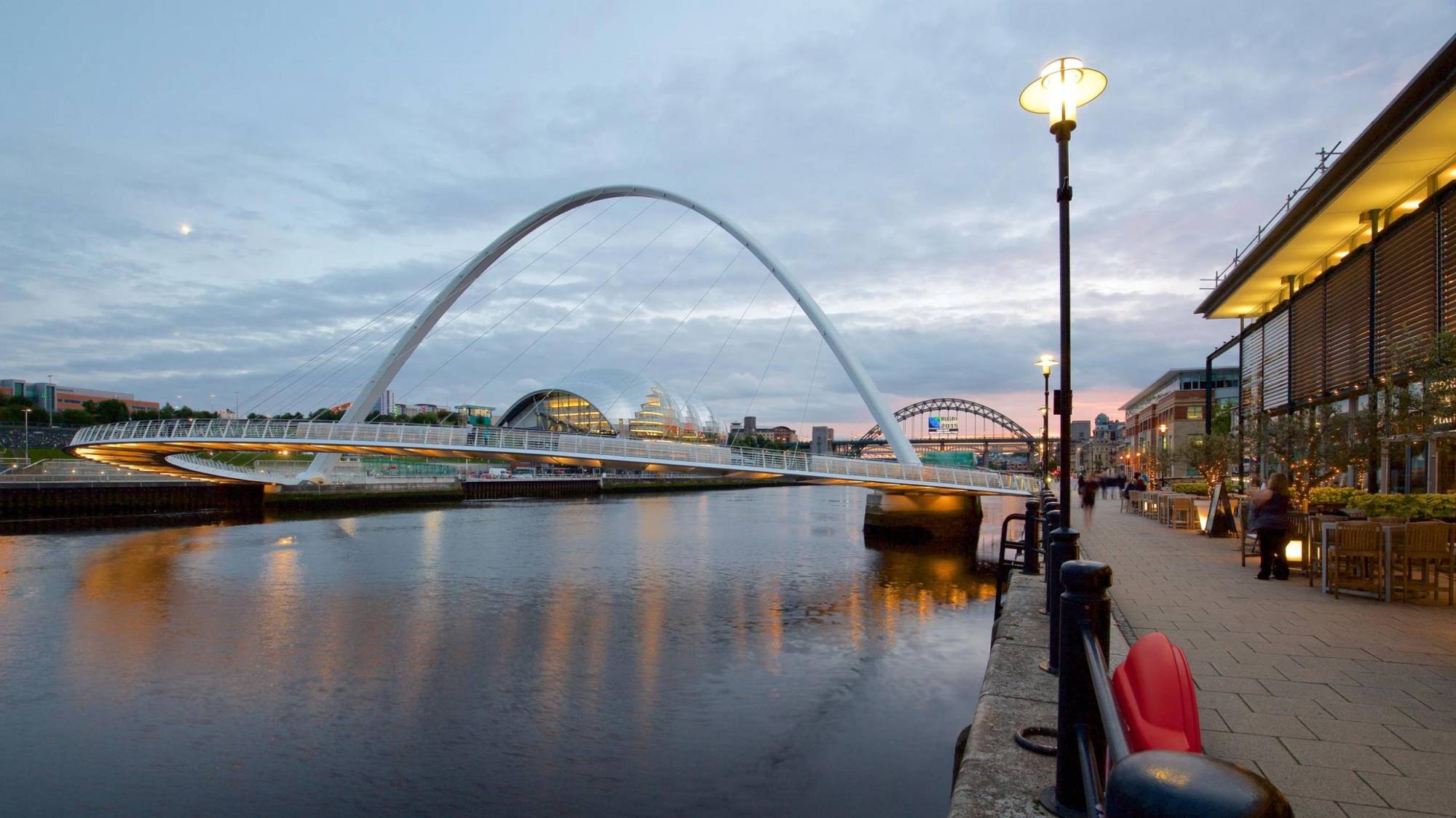
A modern addition to Newcastle’s collection of bridges is the Gateshead Millennium Bridge, which opened in 2001. This award-winning structure is known for its unique tilting mechanism that allows ships to pass underneath. Often referred to as the ‘Blinking Eye’ bridge due to its distinctive shape and movement, it has become an iconic symbol of Newcastle’s contemporary architecture.
For those visiting Newcastle, a walk across the Gateshead Millennium Bridge is a must. The bridge connects two vibrant cultural centres: Newcastle’s Quayside and Gateshead’s arts district. At night, the bridge is illuminated with colourful lights, creating a picturesque scene that attracts photographers and tourists alike.
Practical Information for Travellers
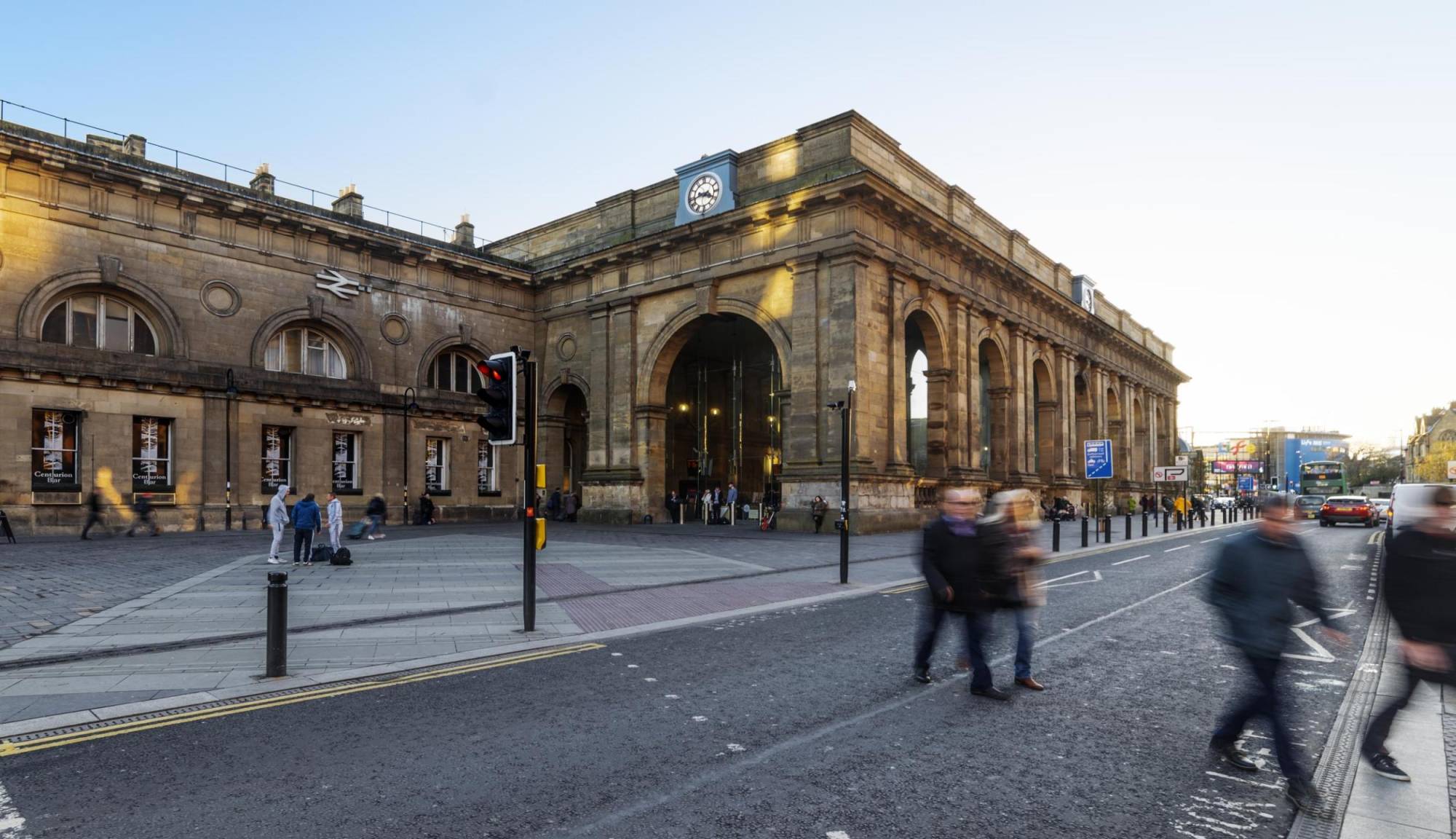
When planning a visit to Newcastle’s historic bridges, it is advisable to start at the Quayside area, where most of these structures are located within walking distance of each other. The Quayside offers numerous cafes and restaurants where visitors can relax and enjoy views of the river and bridges.
Public transport options are plentiful, with buses and trains providing easy access to the city centre. For those preferring a more leisurely pace, walking or cycling along the river paths offers an excellent way to explore these architectural wonders.
Travellers should also consider timing their visit to coincide with local events or festivals that often feature activities centred around these bridges. Such events provide additional insights into the cultural significance of these structures and offer opportunities to engage with local communities.
Reflecting on Newcastle’s Bridges
Newcastle’s historic bridges are more than just means of crossing a river; they are integral parts of the city’s identity. Each bridge tells a story of innovation, resilience, and community spirit. From Victorian engineering feats to modern architectural wonders, these structures highlight Newcastle’s evolution over centuries.
For travellers exploring Newcastle, these bridges offer not only practical routes across the River Tyne but also pathways into understanding the city’s rich history and vibrant culture. Whether marvelling at their design or enjoying the views they offer, visitors will find that these bridges are key to experiencing the essence of Newcastle.
Travel
Discover Newcastle’s Historic Bridges - A Traveller’s Architectural Journey
Exploring Newcastle’s historic bridges offers a captivating journey through time, showcasing architectural marvels and engineering feats. From the iconic Tyne Bridge to the innovative Gateshead Millennium Bridge, these structures not only connect the city but also narrate its rich industrial heritage and vibrant...


Comments (0)
You must be logged in to post comments.
Don't have an account? Register here
No comments yet. Be the first to share your thoughts!