
Drones are often associated primarily with hobbyist photography or the occasional headline about near-misses with aircraft, but the technology has quietly expanded into a genuinely wide range of practical, professional applications across the North East and beyond, well removed from simply capturing aerial footage for fun.
Agriculture has become one of the more significant practical applications for drone technology across Northumberland and County Durham's farming communities, with farmers using drones to monitor crop health, identify irrigation issues and survey large areas of land considerably faster and more efficiently than would be possible on foot or using traditional machinery alone.
Construction and surveying firms across the region have increasingly adopted drones for site monitoring and progress documentation, allowing project managers to track building progress from above, identify potential issues early and produce considerably more detailed, accurate site surveys than traditional ground-based measurement methods alone could typically achieve.
Emergency services have started exploring drone technology for search and rescue operations, particularly across the North East's more remote and rural areas, where a drone equipped with thermal imaging can help locate a missing person considerably faster than a purely ground-based search team working alone across difficult or extensive terrain.
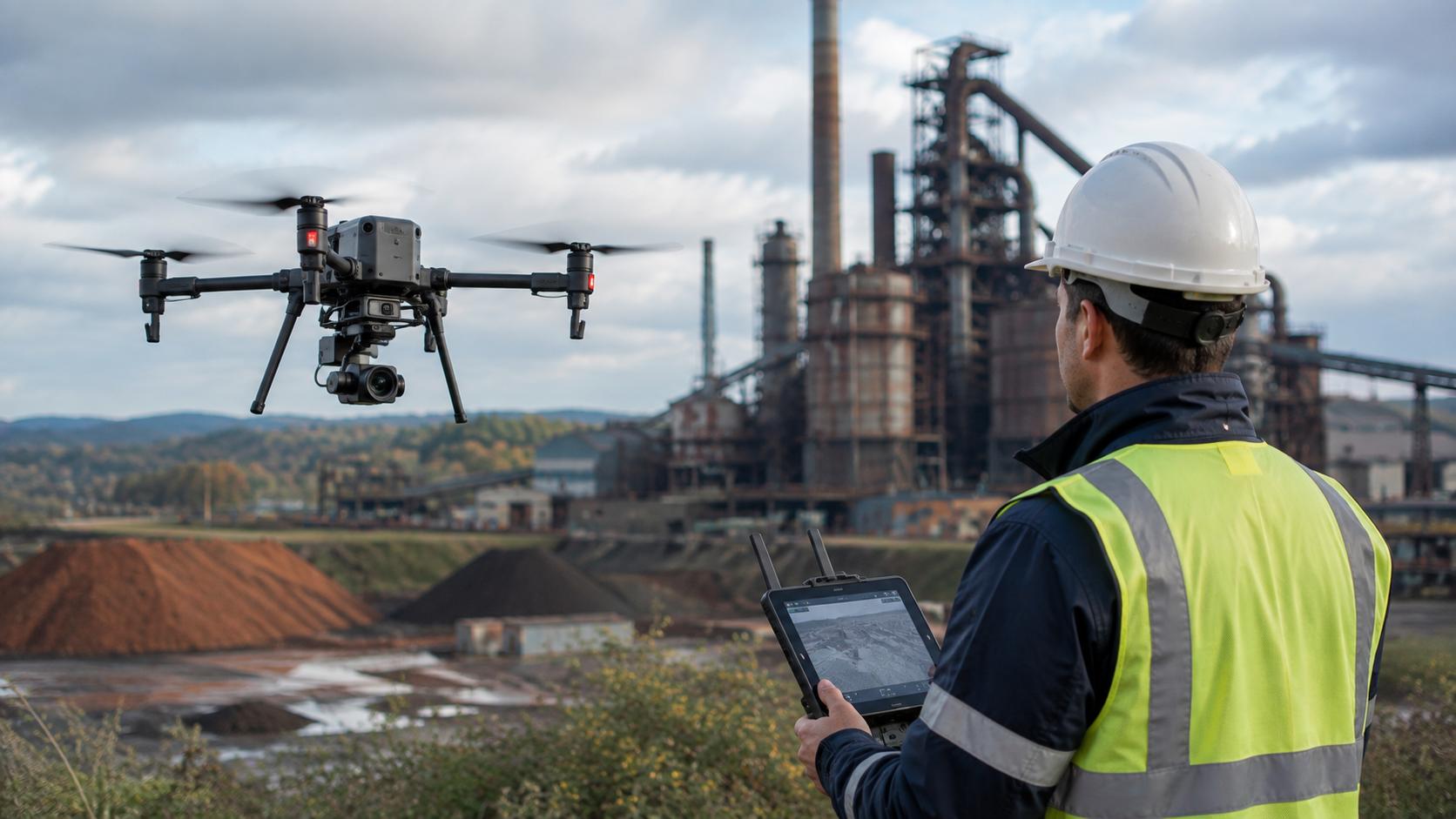
Infrastructure inspection represents another genuinely practical application, with drones increasingly used to inspect bridges, power lines and other tall or hard-to-reach structures without requiring specialist access equipment or, in some cases, putting an inspector's own personal safety at any unnecessary risk during the inspection process.
Delivery applications remain more experimental at this stage, though trials involving drone delivery for certain goods, particularly in more remote areas where traditional delivery can be slower or genuinely more difficult, continue to be explored by various companies as the underlying regulatory framework around commercial drone use continues to develop.
Regulation around drone use has tightened considerably in recent years, with operators required to follow specific rules around flight height, restricted areas and registration depending on drone size and intended use, an important consideration for both hobbyists and commercial operators alike across the region.
Environmental monitoring has emerged as a further genuinely valuable application, with drones increasingly used to survey coastal erosion, monitor wildlife populations and assess flood risk across parts of the North East, providing researchers and local authorities with detailed, regularly updated data that would be considerably more time-consuming and expensive to gather through traditional ground-based survey methods alone.
Local drone operator training providers have grown in number across the region too, helping both hobbyists and aspiring commercial operators obtain the qualifications and certification increasingly required to legally fly drones for business purposes, reflecting the technology's steadily growing professional relevance across a genuinely wide range of North East industries.
Hobbyist drone flying remains genuinely popular across the North East too, with scenic coastal areas and countryside locations offering photographers and enthusiasts plenty of striking, rewarding subject matter, provided pilots remain fully aware of and compliant with the relevant local flight restrictions and registration requirements throughout the region.
As the technology continues to mature and regulatory frameworks become clearer, drone applications across agriculture, construction, emergency services and infrastructure inspection look set to keep expanding well beyond hobbyist photography, offering the North East's various industries a genuinely practical, increasingly mainstream tool rather than simply a novelty gadget.
It is a technology whose practical value now clearly extends well beyond the hobbyist photography most people still associate it with. Its growing range of genuinely practical, everyday uses reflects just how far the technology has matured beyond its early hobbyist reputation. That steady expansion looks set to continue as costs keep falling and capabilities keep genuinely improving. It is a small but genuinely worthwhile shift in how the region now sees this technology.
Join the conversation below.
Have you ever flown a drone somewhere locally yourself?
Tech News
Drone Technology: Uses Beyond Hobby Flying
Drones have moved well beyond hobbyist photography, with genuinely practical applications now spanning agriculture, construction, emergency services and delivery across the North East.
Advertisement





Comments (0)
You must be logged in to post comments.
Don't have an account? Register here
No comments yet. Be the first to share your thoughts!