
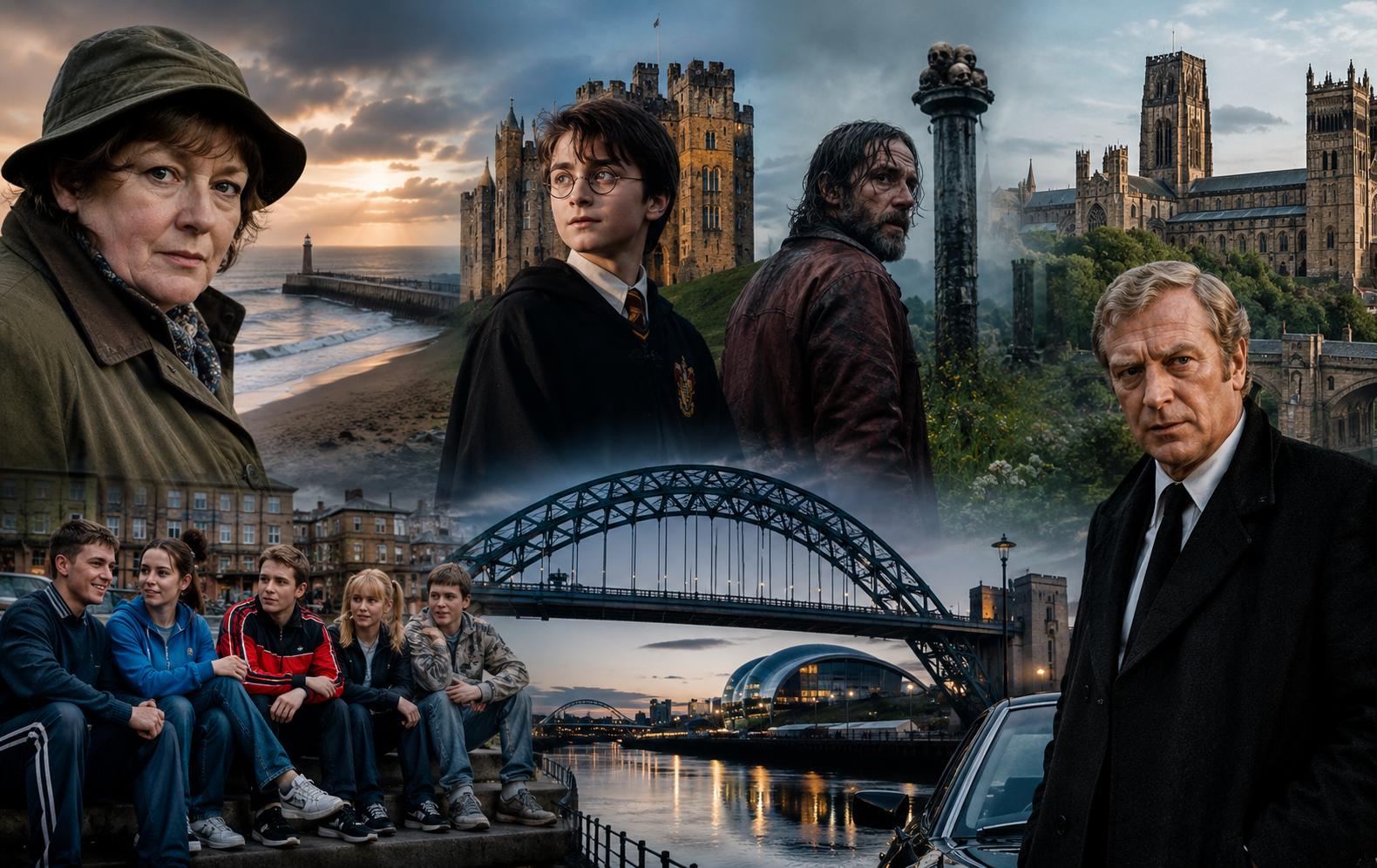
The North East of England has quietly become one of Britain’s most recognisable filming destinations, with major TV shows and blockbuster movies regularly using Newcastle, Durham, Sunderland and Northumberland as dramatic backdrops.
From gritty crime dramas and fantasy epics to Hollywood productions and classic British comedies, the region has appeared on screens across the world for decades. Its industrial heritage, rugged coastline, medieval castles and instantly recognisable cityscapes have made it a favourite location for directors searching for authentic British scenery.
For many people living across Newcastle, Gateshead and the wider North East, spotting familiar streets, pubs, bridges and beaches on television has become part of the excitement whenever a major production arrives in the area.
Tourism experts also say film and television exposure has helped boost visitor numbers in recent years, with fans travelling from across the UK and overseas to visit filming locations connected to their favourite shows.
Here are some of the most famous TV shows and movies filmed in the North East and the locations fans still visit today.
Vera Became One Of The North East’s Biggest TV Success Stories.
Few television shows are more closely connected to the North East than Vera.
The ITV detective drama, starring Brenda Blethyn as DCI Vera Stanhope, has spent years showcasing the region’s landscapes, towns and coastline to millions of viewers.
Based on the novels by author Ann Cleeves, the series regularly films across Newcastle, Northumberland, Tyneside and County Durham.
Viewers have spotted filming in locations including:
Whitley Bay.
Tynemouth.
Newcastle Quayside.
Holy Island.
Blyth.
Seaham.
Hexham.
The dramatic Northumberland coastline has become especially associated with the show, helping attract tourists keen to explore the scenery featured in the series.
Local businesses have also benefited from the production, with hotels, restaurants and cafés often seeing increased visitor interest from Vera fans.
Harry Potter And The Philosopher’s Stone Used Alnwick Castle.
One of the North East’s most internationally famous filming locations is Alnwick Castle in Northumberland.
The historic castle featured prominently in Harry Potter And The Philosopher’s Stone and Harry Potter And The Chamber Of Secrets, becoming instantly recognisable to millions of fans worldwide.
The castle was used during broomstick flying lessons and several Hogwarts exterior scenes.
Since appearing in the films, Alnwick Castle has become one of Northumberland’s biggest tourist attractions, drawing Harry Potter fans from around the globe.
Visitors can still take part in broomstick training experiences inspired by the movies, while guided tours regularly highlight filming locations used throughout the franchise.
Tourism officials say the Harry Potter connection significantly boosted visitor numbers and international awareness of the castle.
Avengers: Endgame Included Durham Cathedral.
Marvel fans were surprised to discover that part of Avengers: Endgame was filmed inside Durham Cathedral.
The cathedral doubled as Asgard during scenes involving Thor and Rocket in the blockbuster superhero film.
Filming crews spent time around the historic site in 2018, with secrecy surrounding the production generating huge excitement across the city.
Durham Cathedral has long been considered one of Britain’s most visually impressive historic buildings, making it an attractive location for fantasy and historical productions.
The cathedral had already gained worldwide recognition through the Harry Potter films, where parts of the cloisters and interiors were used as Hogwarts locations.
Its repeated appearance in major productions has helped reinforce Durham’s reputation as one of the UK’s most cinematic cities.
28 Years Later Brought Major Hollywood Filming Back To The North East.
One of the newest major productions linked to the region is 28 Years Later, the highly anticipated continuation of Danny Boyle’s legendary zombie horror franchise.
Filming for the movie took place across several North East locations, with parts of Holy Island and surrounding coastal areas reportedly used during production.
The choice of Northumberland once again highlighted how the region’s isolated coastlines, dramatic skies and rugged scenery can create the perfect atmosphere for large-scale film projects.
The original 28 Days Later became famous for its haunting British landscapes and empty city scenes, helping redefine modern horror cinema in the early 2000s.
News of the latest film being shot partly in the North East generated major excitement among movie fans, with many locals sharing photographs and videos as production crews arrived in the area.
Industry experts believe projects like 28 Years Later help strengthen the North East’s growing reputation as a destination for major international productions.
Byker Grove Became A North East Television Icon.
Long before streaming platforms dominated entertainment, Byker Grove became essential viewing for an entire generation of young people.
Filmed primarily in Newcastle, the BBC children’s drama ran from 1989 until 2006 and launched the careers of Ant and Dec.
The show focused on teenagers attending a youth club in Byker and became famous for tackling serious issues affecting young people.
For many viewers across the UK, Byker Grove offered one of the first regular glimpses of life in Newcastle and the wider North East.
Local accents, culture and humour became central parts of the show’s identity, helping it stand apart from other teen dramas at the time.
Even today, many people still associate the programme with Newcastle nostalgia and North East television history.
Get Carter Turned Newcastle Into A Classic Crime Film Setting.
The 1971 British gangster classic Get Carter remains one of the most influential films ever shot in Newcastle.
Starring Michael Caine as Jack Carter, the gritty crime thriller used Newcastle’s industrial landscape to create a dark and atmospheric setting that became iconic in British cinema.
Locations featured in the film included:
Gateshead.
Newcastle city centre.
The Trinity Square car park.
The River Tyne.
At the time, Newcastle’s heavy industry and urban redevelopment gave the film a raw realism that helped define its style.
Decades later, Get Carter is still widely regarded as one of the greatest British gangster films ever made and continues attracting film enthusiasts interested in Newcastle’s cinematic history.
The Last Kingdom Showcased Northumberland’s Landscapes.
Netflix historical drama The Last Kingdom used several Northumberland locations during filming.
The county’s rugged countryside, ancient castles and dramatic coastline made it an ideal setting for the medieval series.
Bamburgh Castle became particularly associated with the production and frequently appeared throughout the show.
Northumberland’s natural scenery has increasingly attracted historical and fantasy productions because of its untouched landscapes and cinematic atmosphere.
Tourism businesses across the region say productions like The Last Kingdom have helped attract younger visitors interested in historical filming locations.
Billy Elliot Brought County Durham To The Big Screen.
Billy Elliot remains one of the most beloved British films connected to the North East.
Set during the 1984 miners’ strike, the movie was filmed largely in County Durham and highlighted the social and economic struggles facing mining communities at the time.
The film’s emotional storytelling and strong regional identity helped it gain international success and later inspired a hugely successful stage musical.
Many former mining villages featured in the production still attract visitors interested in the film’s history and connection to the region.
Billy Elliot also played an important role in bringing authentic North East culture and working-class stories to global audiences.
Alien 3 Filmed Scenes At Blyth Power Station.
Science fiction fans may not realise that parts of Alien 3 were filmed in the North East.
Blyth Power Station was used during production before the structure was eventually demolished in 2003.
The industrial appearance of the site made it suitable for the dark visual style associated with the Alien franchise.
At the time, the North East’s industrial landscapes were regularly used by filmmakers searching for gritty and atmospheric settings that differed from more polished city environments.
Why The North East Continues To Attract Film And Television Productions.
Film industry professionals say the North East offers a unique combination of urban scenery, coastlines, countryside and historic architecture within relatively short travelling distances.
The region can provide:
Medieval castles.
Industrial landscapes.
Modern city centres.
Coastal scenery.
Rural countryside.
Historic cathedrals.
This versatility makes it attractive for productions covering everything from crime dramas and historical epics to science fiction and romantic comedies.
Local councils and film offices have also increasingly supported productions filming in the region, helping attract further investment into the North East creative industry.
As streaming platforms continue producing more original content, industry experts believe the North East could appear on screens even more frequently in coming years.
For many residents, however, the excitement remains simple. There is still something special about seeing familiar streets, landmarks and coastlines featured in some of the world’s biggest productions.
Have you ever spotted a famous filming location while visiting Newcastle, Durham or Northumberland? Share your favourite North East TV shows and movies in the comments below.
Your recommendations and memories could help other film fans discover iconic filming locations hidden across the North East.
Entertainment News
Famous TV Shows And Movies Filmed In The North East
Advertisement


Comments (0)
You must be logged in to post comments.
Don't have an account? Register here
No comments yet. Be the first to share your thoughts!