
You do not need an allotment to grow food. A back yard, a balcony, a doorstep or even a sunny windowsill can produce a genuinely worthwhile amount, and container growing removes most of the barriers that put people off.
There is no digging, no weeding to speak of, and if something fails you simply empty the pot and start again. It is the most forgiving way to learn.
Here is how to make it work, particularly in a northern climate.
Bigger pots are easier.
The single most common beginner mistake is using containers that are too small. Small pots dry out fast, and a plant that dries out repeatedly will struggle no matter what else you do.
As a rule, choose the largest container you can reasonably accommodate. Anything from a builder's bucket with holes drilled in it to a proper planter will work.
Drainage is essential. Every container needs holes in the base, and standing pots on feet or bricks helps water escape rather than sitting at the bottom.
Recycled containers work perfectly well. Old washing-up bowls, mushroom crates lined with plastic and reusable shopping bags have all been pressed into service successfully.
Use compost, not garden soil.
Garden soil compacts in containers and may carry pests and weed seeds. Multipurpose compost is the straightforward choice for most crops.
Peat-free compost is now standard and widely available, and its quality has improved considerably. It tends to dry out faster on the surface while remaining damp below, so judge watering by weight and by feeling below the surface rather than by appearance.
For crops staying in the same container all season, mixing in a slow-release fertiliser at planting saves effort later.
Choose crops that suit containers.
Some vegetables are ideally suited to pots, others less so.
Salad leaves are the best starting point. Sown thinly and cut as needed, a container of mixed leaves can crop repeatedly over weeks, and successional sowing every few weeks keeps supply going.
Radishes are fast and satisfying, ready within weeks. Herbs do well, particularly mint, which is better in a pot anyway since it spreads aggressively in open ground.
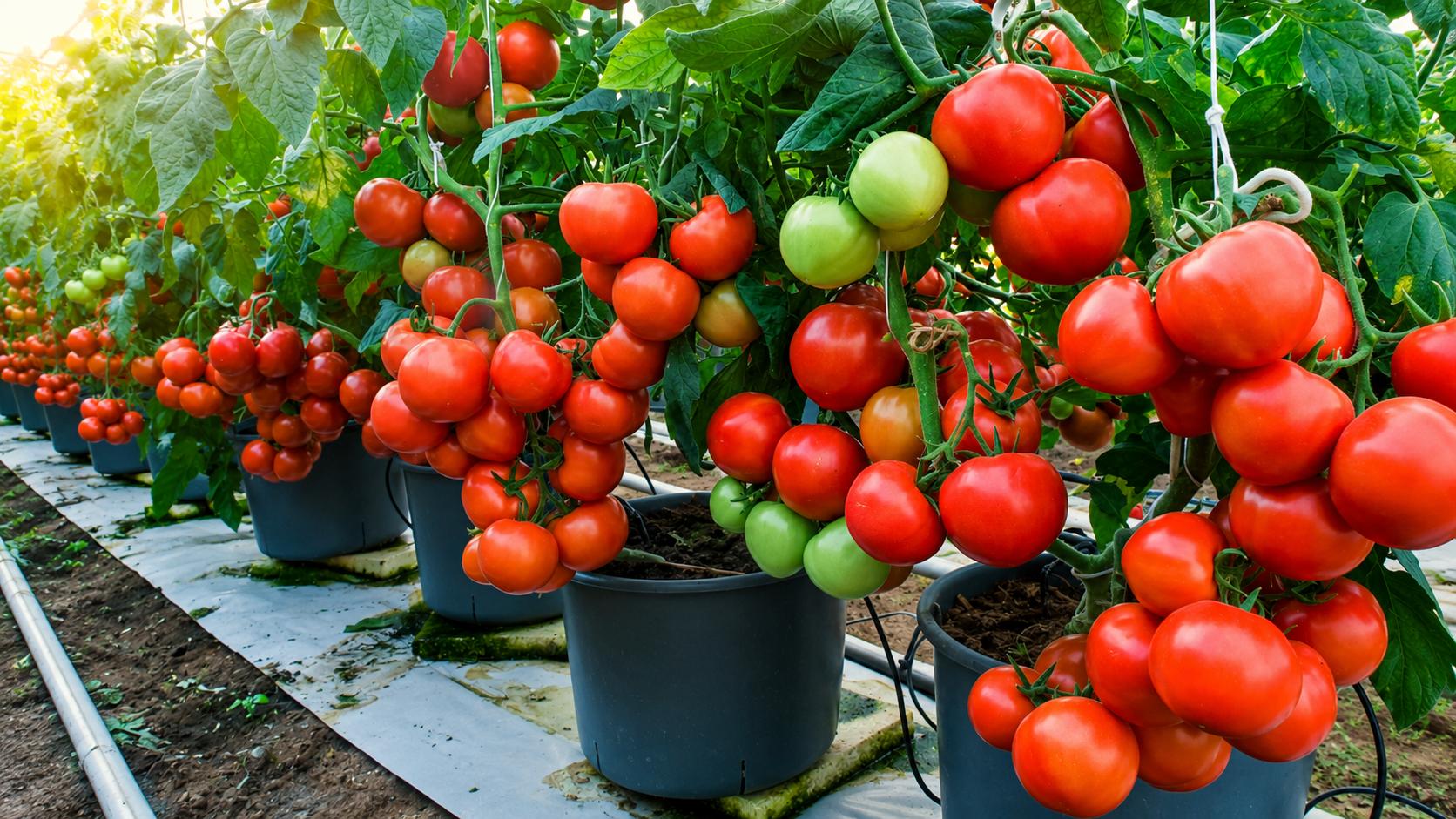
Tomatoes, chillies and peppers thrive in containers given sun and a sheltered spot. Bush varieties suit pots better than tall cordon types.
Potatoes grow well in large bags or buckets and are among the most rewarding container crops, since tipping the bag out to find the harvest is genuinely enjoyable.
Dwarf French beans, spring onions, beetroot and chard all perform well. Carrots can work in deep containers, and container growing helps avoid carrot fly.
Avoid crops needing depth or space.
Brassicas such as cabbage and cauliflower take up considerable room for a single head and are generally poor value in a container.
Maincrop potatoes, pumpkins and sweetcorn all need more space than most pots provide. Parsnips need real depth.
That is not to say these are impossible, simply that a beginner will get better results concentrating on crops suited to the conditions.
Watering is the whole game.
Containers depend entirely on you. There is no reservoir of soil to draw on, and a hot windy day can dry a pot out completely.
Water thoroughly rather than frequently and lightly. Water until it runs from the drainage holes, which ensures the whole root ball is wet.
In peak summer, daily watering is likely, and twice daily for tomatoes in full sun. Grouping containers together reduces evaporation and makes the job quicker.
Self-watering containers with a reservoir in the base are genuinely useful for anyone who travels or forgets, as are simple drip systems on a timer.
Feed once the compost is exhausted.
Compost contains enough nutrients for around six weeks of growth. After that, plants need feeding.
A general liquid feed suits leafy crops, while tomatoes, chillies and other fruiting plants benefit from a high-potash tomato feed once flowering begins.
Feeding weekly during the main growing season is usually sufficient. Yellowing lower leaves and stalled growth are the usual signs that feeding has been forgotten.
The North East climate shapes the calendar.
The growing season here is shorter and cooler than in the south, and the last frost can come late in spring, particularly inland.
That makes it worth delaying tender crops such as tomatoes, beans and courgettes until the risk of frost has passed, and starting them indoors on a windowsill beforehand.
The coast is generally milder but windier, and wind does more damage to container plants than cold. A sheltered corner, a wall that holds warmth or a simple windbreak makes a substantial difference.
Autumn and winter crops are possible too. Hardy salad leaves, spring onions and garlic planted in autumn will overwinter in containers in most of the region.
Start small and expand.
Three or four containers in the first year will teach you more than twenty, and they are far more likely to be kept watered.
Seeds are inexpensive and a single packet produces far more than most households need, so sharing with neighbours or a local growing group makes sense.
Community gardens and allotment associations across Newcastle and the wider North East are generally welcoming to beginners, and advice from someone growing in the same conditions is worth more than any book.
Share your thoughts.
Would you consider growing vegetables at home or, do you already grow your own veggies?
Lifestyle News
Growing Vegetables in Containers: A Beginner's Guide
A yard, balcony or doorstep is enough to grow a genuinely useful amount of food, provided you get the pot size and watering right.
Advertisement




Comments (0)
You must be logged in to post comments.
Don't have an account? Register here
No comments yet. Be the first to share your thoughts!