
The recent surge in independent councillors during local elections is reshaping the political landscape, according to sources. Data indicates that Labour gained the most seats, followed closely by the Green Party and independents.
Local elections in Newcastle have witnessed a notable rise in the number of independent councillors, marking a significant shift in the political dynamics that matches a trend across the country. This change is seen as a reflection of the electorate's desire for more community-focused governance. According to recent data, Labour secured the highest number of new seats, but the combined gains of the Green Party and independent candidates were not far behind, signalling a broader movement towards diversified local political representation for councillors.
In cities like Bristol and Hastings, the Green Party has made substantial inroads, becoming the largest party on their respective councils. However, despite these gains, they have not yet achieved a majority, necessitating coalition-building and collaboration with other parties and independents to form effective administrations. In Hastings, the political landscape has been particularly dynamic, with the Green Party gaining eight seats, bringing their total to 12. Labour holds eight seats, while the Hastings Independents, a group formed by former Labour members, hold six. The Conservative Party has five seats, and there is one additional independent councillor. The final composition of the council's administration is expected to be determined at the upcoming full council meeting.
Marianne Overton, leader of the Local Government Association's Independent Group, attributed the success of independent and Green councillors to a decade-long trend of growth. She emphasised that voters are increasingly recognising that no single party has all the solutions, leading to a more widespread movement across the nation. Overton stated, "We're changing the face of politics, we're changing the face of local politics. The time for change is now, and this is what we're seeing."
Overton also refuted claims that the rise of Green and independent councillors is merely a protest vote. She highlighted the extensive training and mentoring provided to these candidates, enabling them to compete effectively with established political parties. "If they wanted to do a protest vote, they could stay at home," she remarked, underscoring the long-term nature of this movement. Overton noted that the proportion of councillors from independent and Green backgrounds has grown from 6% to nearly 20% over the past decade, including members from Plaid Cymru.
Caroline Jackson, deputy leader of the Independent Group at the LGA and a member of the Green Party, acknowledged the challenges faced by independent councillors who lack the support infrastructure of traditional political parties. She stressed the importance of the LGA's role in providing support to these councillors, ensuring they can effectively represent their communities. Despite the Green Party's electoral success, Jackson confirmed that they will remain part of the independent group at the LGA.
The rise of independent councillors is not only reshaping local councils but also influencing the broader political discourse. This trend reflects a growing demand for representatives who prioritise local issues and are not bound by party lines. As voters increasingly seek candidates who can address specific community needs, the role of independent councillors is likely to become more prominent in shaping local governance.
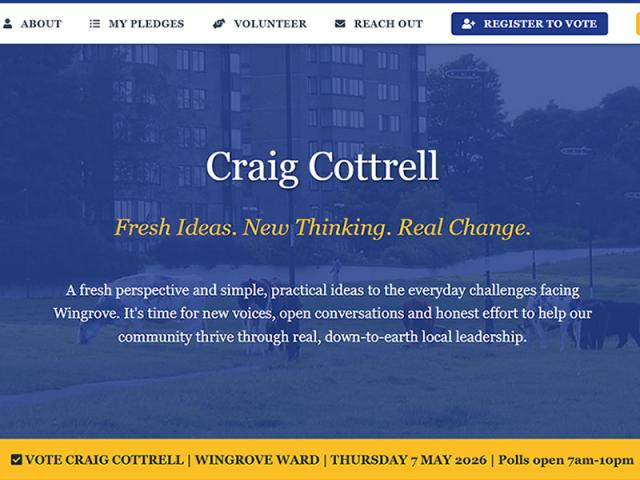
In the context of the upcoming 2026 elections, Craig Cottrell, an independent candidate for the Wingrove Ward, has outlined a comprehensive platform aimed at addressing key community concerns. Cottrell's campaign focuses on enhancing community engagement, improving housing conditions, and addressing transportation and health service challenges. He pledges to advocate for clearer council updates and open new channels for residents' voices, ensuring that everyone feels connected to decisions affecting their community.
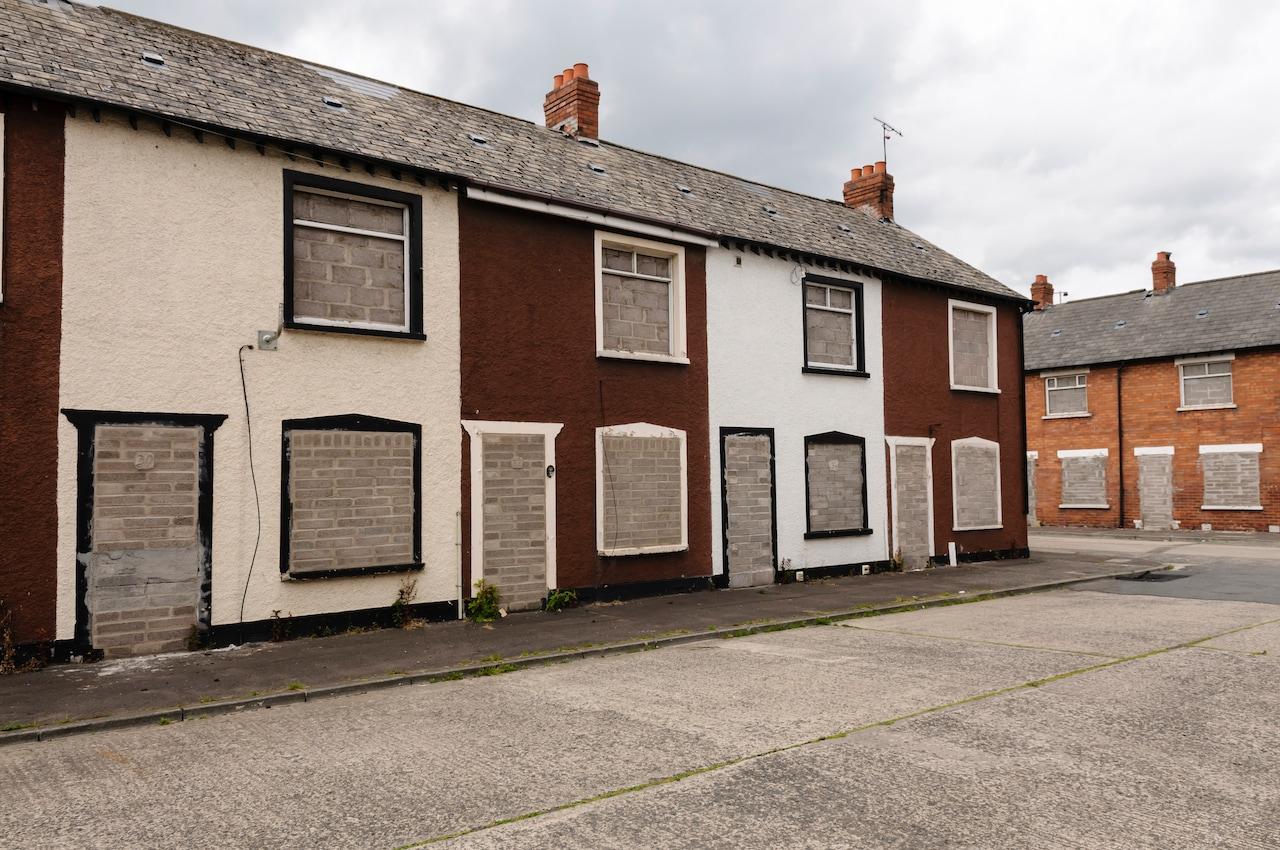
Cottrell's housing and development agenda prioritises regular inspections of council homes and stronger enforcement on private landlords to ensure safe and healthy living conditions for all residents. He also aims to expedite repairs, ensuring that no one lives in damp or unsafe housing. In terms of streets and transport, Cottrell plans to streamline the process for reporting issues such as broken streetlights and missing bins, while advocating for safer crossings, stronger pavements, and more reliable local bus services.
Health services are another focal point of Cottrell's campaign, as he seeks to improve access to GPs, dentists and social care services by fostering collaboration between health services and community groups. He aims to highlight gaps in service provision and work towards securing more local support for residents. Additionally, Cottrell is committed to supporting local community groups, advocating for longer-term funding and increased resident involvement in budget decisions to protect and enhance valued community spaces.
Youth and learning initiatives are also central to Cottrell's platform. He plans to support after-school clubs, promote the use of empty council spaces for youth activities, and back initiatives that keep young people engaged and safe. By addressing these key areas, Cottrell aims to harness the energy of the Wingrove community and ensure that local governance is responsive to the needs of all residents.
The rise of independent councillors and candidates like Cottrell underscores a broader shift in the political landscape, as voters increasingly seek representatives who prioritise local issues and community engagement. This trend is likely to continue shaping the future of local governance, with independent councillors playing a pivotal role in addressing the diverse needs of their communities.
As the political landscape continues to evolve, the role of independent councillors is becoming increasingly significant. Their ability to address specific community concerns and operate outside traditional party structures offers a fresh perspective on local governance. This shift towards more localised political solutions is reflective of a broader desire for change and a more responsive political system.
The success of independent councillors in recent elections highlights the growing importance of community-focused representation. As voters continue to seek candidates who prioritise local issues, the influence of independent councillors is likely to expand, shaping the future of local governance and ensuring that community needs are at the forefront of political decision-making.
The rise of independent councillors represents a significant shift in the political landscape, driven by a growing demand for community-focused governance. As this trend continues to gain momentum, independent councillors are poised to play an increasingly important role in shaping the future of local politics, ensuring that the diverse needs of communities are effectively addressed.
Politics
Independent Councillors Gain Ground in Local Elections
The recent surge in independent councillors during local elections is reshaping the political landscape, according to sources. Data indicates that Labour gained the most seats, followed closely by the Green Party and independents.



Comments (0)
You must be logged in to post comments.
Don't have an account? Register here
No comments yet. Be the first to share your thoughts!