
A surprising number of adults in Britain cannot swim, and the figure is considerably higher than most people assume. It is not a small eccentric minority. It runs into millions.
The reasons are varied and rarely anybody's fault. Some never had lessons at school, some had a frightening experience, some grew up without access to a pool, and some have simply carried an early fear into adulthood without ever finding a good moment to address it.
The barrier is almost never physical ability. It is embarrassment, and it is entirely surmountable.
Adult lessons are a normal thing that exists.
Every leisure provider of any size runs adult swimming lessons, and they are considerably better attended than nervous beginners expect.
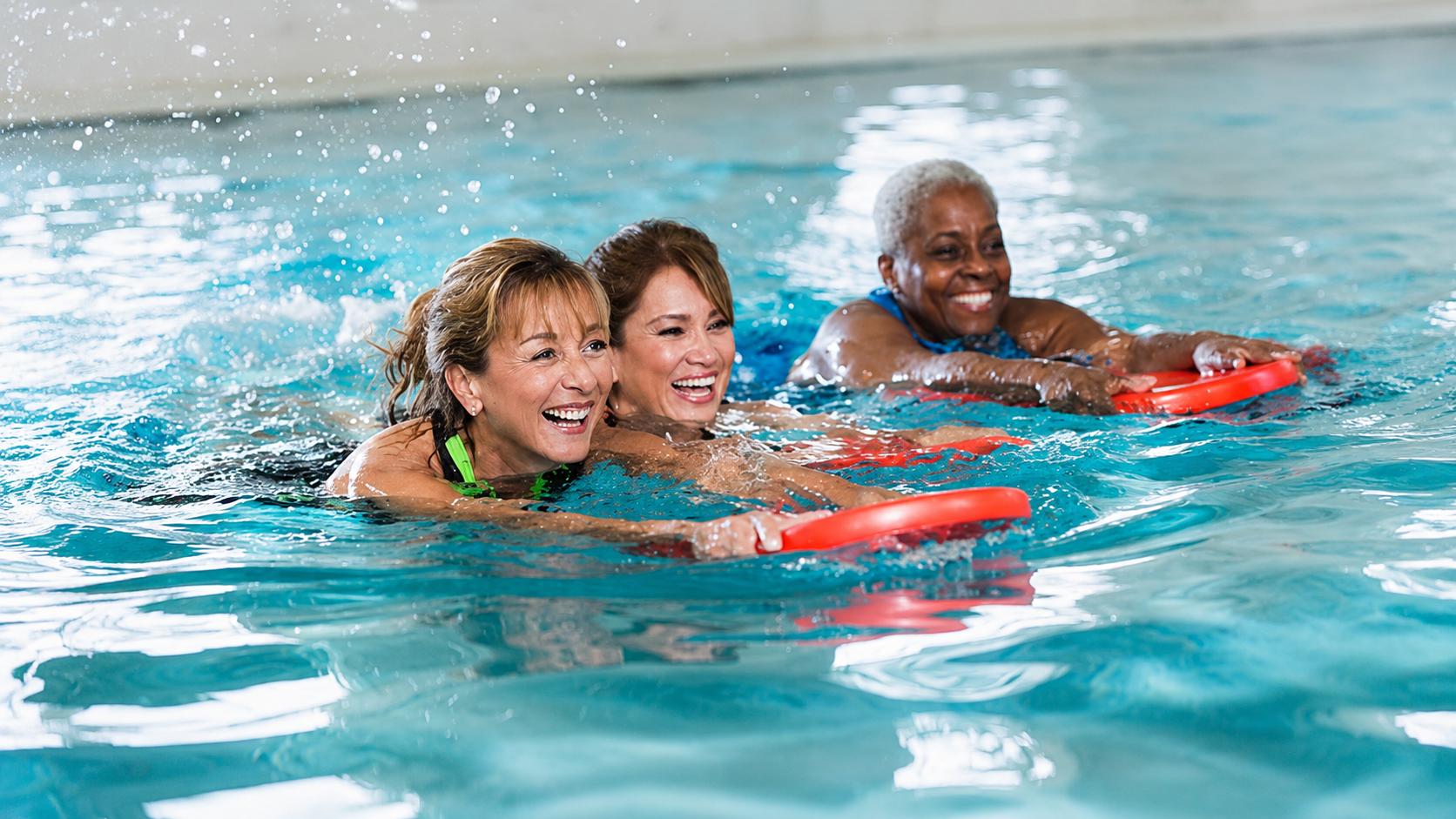
Classes are grouped by ability, starting with complete beginners who are not comfortable putting their face in the water. Nobody in that class can swim, which removes the entire basis of the embarrassment.
Instructors who teach adult beginners do it constantly and have seen every level of anxiety. They are not going to be surprised by you, and they will not make you do anything you have said you are not ready for.
One-to-one lessons are available at higher cost and suit people whose anxiety is severe enough that a group would be too much to start with. Several sessions individually followed by a move into a group is a common and effective route.
Where to learn in Newcastle.
The city has leisure centres with teaching pools across its neighbourhoods, and the reopening of the city centre pool restored a facility that generations of Newcastle people learned in.
Beyond the council-operated centres, university facilities, private clubs and some school pools run public and adult sessions, and provision extends across Gateshead, North Tyneside and beyond.
When choosing, ask about water temperature, since teaching pools are usually warmer and shallower and are considerably less intimidating than a cold twenty-five metre main pool.
Ask also about pool depth. Being able to stand up throughout is a significant reassurance for beginners.
Women-only and other dedicated sessions.
Women-only swimming sessions run at a number of venues and are important for women who will not otherwise attend, whether for religious, cultural or personal reasons.
Sessions for disabled swimmers, for people with long-term health conditions, and quiet sessions with reduced noise and lower lighting all exist at various venues across Tyneside.
If a particular arrangement would make the difference between attending and not, ask, because provision is broader than most timetables make obvious.
What to expect at the first lesson.
Early sessions focus on water confidence rather than swimming. Getting in comfortably, moving around, putting your face in, blowing bubbles, floating on your front and back, and learning that the water will hold you up.
Floating is the foundational skill and the one that resolves most fear, because a person who knows they will float knows they are not going to sink.
Strokes come later, usually starting with a basic front crawl or breaststroke leg action, and progress is generally faster than adults expect once the fear has gone.
Most adult beginners can swim a length within a few months of regular lessons. Some do it much faster.
Practical points.
You need a swimming costume, a towel and, ideally, goggles. Goggles make an enormous difference to confidence because being able to see underwater removes a great deal of the disorientation.
A swimming cap is required at some pools and helps keep hair out of your face at all of them.
Go to a quiet public session between lessons if you can. Practice between lessons accelerates progress substantially, and even ten minutes of walking around in the shallow end builds familiarity.
Eat something light beforehand rather than swimming on an empty stomach or immediately after a large meal.
Why it matters beyond the pool.
Swimming is one of the few activities that works the whole body while placing almost no load on the joints, which makes it suitable for people who cannot run, cycle or use a gym comfortably.
It is also a safety skill. The North East has a substantial coastline, a major river running through its largest city, reservoirs, lakes and quarries, and the ability to swim and, more importantly, to know what to do if you end up in cold water unexpectedly, is genuinely protective.
That said, being able to swim in a heated pool is not the same as being safe in open water. Cold water shock affects strong swimmers, and anyone considering sea or open water swimming should learn about it properly, go with others, and start in supervised settings.
Overcoming the first step.
The hardest part is the phone call or the online booking. Everything after that is easier than people imagine.
If it helps, go and look at the pool first without swimming. Ask to see the teaching pool. Speak to the instructor beforehand and tell them how you feel about water. None of this is unusual and all of it is accommodated routinely.
Share your thoughts.
Did you learn to swim as an adult, or is it something still on the list?
Lifestyle News
Learning to Swim as an Adult in Newcastle
Advertisement



Comments (0)
You must be logged in to post comments.
Don't have an account? Register here
No comments yet. Be the first to share your thoughts!