
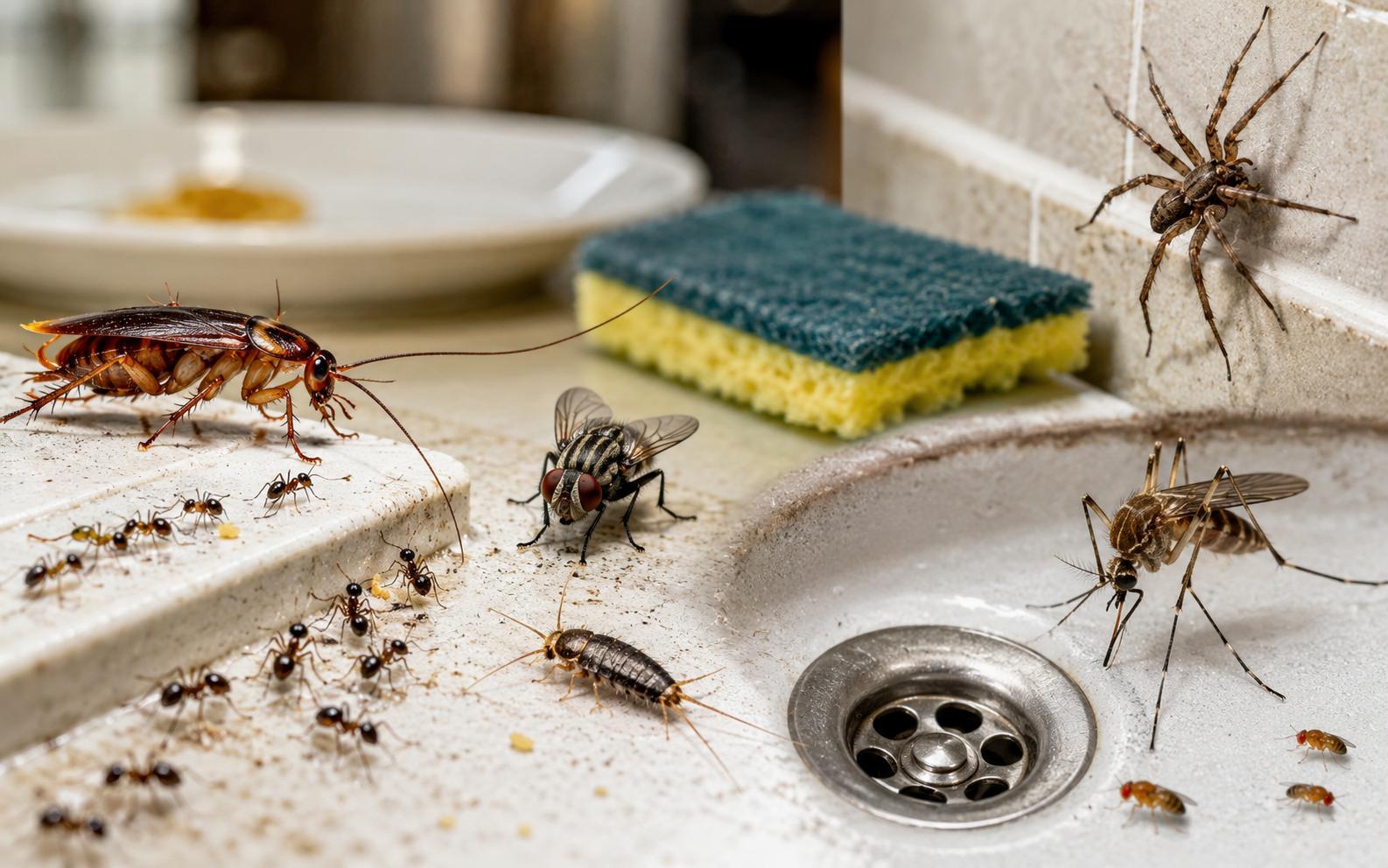
As temperatures rise and windows swing open, insects begin their annual invasion. Mosquitoes drift through humid evening air searching for exposed skin, ants march across kitchen counters in disciplined lines, and flies buzz endlessly around bins and leftovers. For many households, bug season quickly becomes a battle.
While chemical sprays and industrial pesticides remain common, more people are turning toward natural insect repellent methods that avoid filling homes with harsh toxins. Natural bug control not only reduces chemical exposure for families and pets, but can also be surprisingly effective when used correctly.
From powerful plant oils to simple household ingredients, there are dozens of ways to repel insects naturally while keeping your home, garden, and outdoor spaces comfortable during the warmer months.
One of the most effective natural insect repellents is citronella. The sharp citrus scent interferes with a mosquito’s ability to detect human scent and carbon dioxide. Citronella candles are often used during summer evenings, but concentrated citronella oil can also be diluted and sprayed around patios, doors, and outdoor seating areas.
Mosquitoes are relentless hunters. They hover silently in shaded areas before landing lightly on exposed skin, piercing it with needle-like mouthparts that draw blood while injecting saliva that causes the familiar swollen itch. Natural repellents help disrupt this process before the bite happens.
Lavender is another highly effective natural bug deterrent. While humans often find the scent calming, many insects cannot tolerate it. Hanging dried lavender bundles near windows or placing lavender oil on cotton pads around the home may help deter flies, moths, and mosquitoes.
Peppermint oil has also become increasingly popular for natural pest control. Spiders, ants, and even mice are believed to dislike the intense scent. A mixture of water and peppermint essential oil sprayed along skirting boards, entryways, and cracks can create an invisible barrier that pests avoid crossing.
Many homeowners report success using vinegar solutions to repel ants. Ants leave scent trails for other colony members to follow, often resulting in long streams of insects moving toward food sources. Wiping surfaces with white vinegar disrupts those scent trails and can confuse scouting ants before infestations develop.
In kitchens especially, prevention is often more effective than treatment. Tiny crumbs, sugary spills, and uncovered food act like beacons for insects. Even a neglected pet bowl or damp cloth can attract swarms of flies and crawling pests overnight.
Keeping surfaces clean, bins sealed, and drains flushed regularly significantly reduces insect activity. Natural pest control works best when combined with proper hygiene and maintenance.
For outdoor spaces, certain plants can help repel insects naturally. Marigolds contain compounds that deter mosquitoes and aphids, while basil may help keep flies away from patios and outdoor dining areas. Rosemary, mint, and lemongrass are also commonly used in gardens to discourage pests.
Garden pests can be particularly destructive. Aphids cluster beneath leaves in thick masses, draining plants of nutrients while leaving sticky residue behind. Slugs emerge after rainfall to chew ragged holes through vegetables and flowers. Instead of relying on strong pesticides, many gardeners now use safer natural methods.
Companion planting is one popular approach. By placing pest-repelling plants alongside vulnerable crops, gardeners create a more balanced ecosystem that naturally discourages infestation. Introducing ladybirds into gardens can also help control aphid populations without chemicals.
Diatomaceous earth has become another widely used natural insect control solution. This powder, made from fossilised algae, feels soft to humans but is razor-sharp to insects on a microscopic level. When bugs crawl across it, the fine particles damage their outer protective layer, eventually causing dehydration.
The method is particularly effective against ants, cockroaches, fleas, and some crawling garden pests. However, it should be used carefully and kept dry to remain effective.
For households struggling with flies, natural traps can provide relief without toxic sprays. A simple mixture of apple cider vinegar and washing-up liquid placed in a bowl attracts flies before trapping them on the liquid’s surface.
Flies are drawn to decaying food, moisture, and waste. During hot weather, they gather rapidly around bins and drains, laying eggs that can hatch into writhing masses of maggots within surprisingly short periods. Proper waste management is essential for preventing infestations before they begin.
Mosquito prevention also relies heavily on eliminating standing water. Bird baths, clogged gutters, buckets, and plant trays can become breeding grounds where mosquito larvae develop beneath the water’s surface. Emptying stagnant water regularly can dramatically reduce mosquito populations around homes.
Natural oils including eucalyptus, tea tree, neem, and lemon eucalyptus are also frequently used in homemade insect repellent sprays. Many of these oils contain compounds insects instinctively avoid.
However, experts warn that essential oils should always be diluted correctly before applying them to skin, especially around children and pets. Some oils may cause irritation or allergic reactions if misused.
For those dealing with bed bugs or fleas, natural treatments can sometimes help alongside professional cleaning methods. Washing bedding at high temperatures, vacuuming thoroughly, and using steam treatments may reduce infestations without relying entirely on chemical products.
Bed bugs are notoriously difficult to eliminate. The tiny reddish insects hide deep inside mattresses, furniture seams, and cracks in walls before emerging at night to feed. Their bites often leave clusters of red welts and sleepless nights for affected households.
While natural methods can help manage smaller infestations, severe pest problems may still require licensed pest control intervention.
Experts also advise caution regarding online “miracle cures” for insect control. Some DIY methods circulating online lack scientific support and may even create safety risks. Combining proven natural deterrents with common-sense prevention usually delivers the best results.
As environmental concerns grow, natural pest control continues gaining popularity among homeowners looking for safer alternatives to traditional pesticides. Reducing chemical use not only protects households but can also benefit pollinators like bees and butterflies, which are essential to healthy ecosystems.
Ultimately, no single solution completely eliminates insects forever. Nature constantly adapts, and pests are remarkably resilient. But with careful prevention, natural repellents, and consistent maintenance, homeowners can dramatically reduce bug problems while avoiding excessive chemical exposure.
Whether it is mosquitoes hovering around gardens, ants invading kitchens, or flies circling rubbish bins, natural insect repellent methods offer practical and eco-friendly ways to fight back against unwanted pests.
What natural insect repellent methods have worked best in your home or garden? Share your tips, experiences, and pest control secrets in the comments below to help other readers tackle bug season naturally.
Lifestyle News
Natural Insect Repellent Methods: The Best Ways to Keep Bugs Out of Your Home and Garden
Advertisement





Comments (0)
You must be logged in to post comments.
Don't have an account? Register here
No comments yet. Be the first to share your thoughts!