
Newcastle is taking significant steps to preserve its green spaces amidst urban development pressures. The city council's initiatives focus on sustainable planning, community involvement, and innovative conservation strategies. These efforts aim to balance growth with environmental stewardship, ensuring a greener future for residents.
Understanding Newcastle's Green Spaces
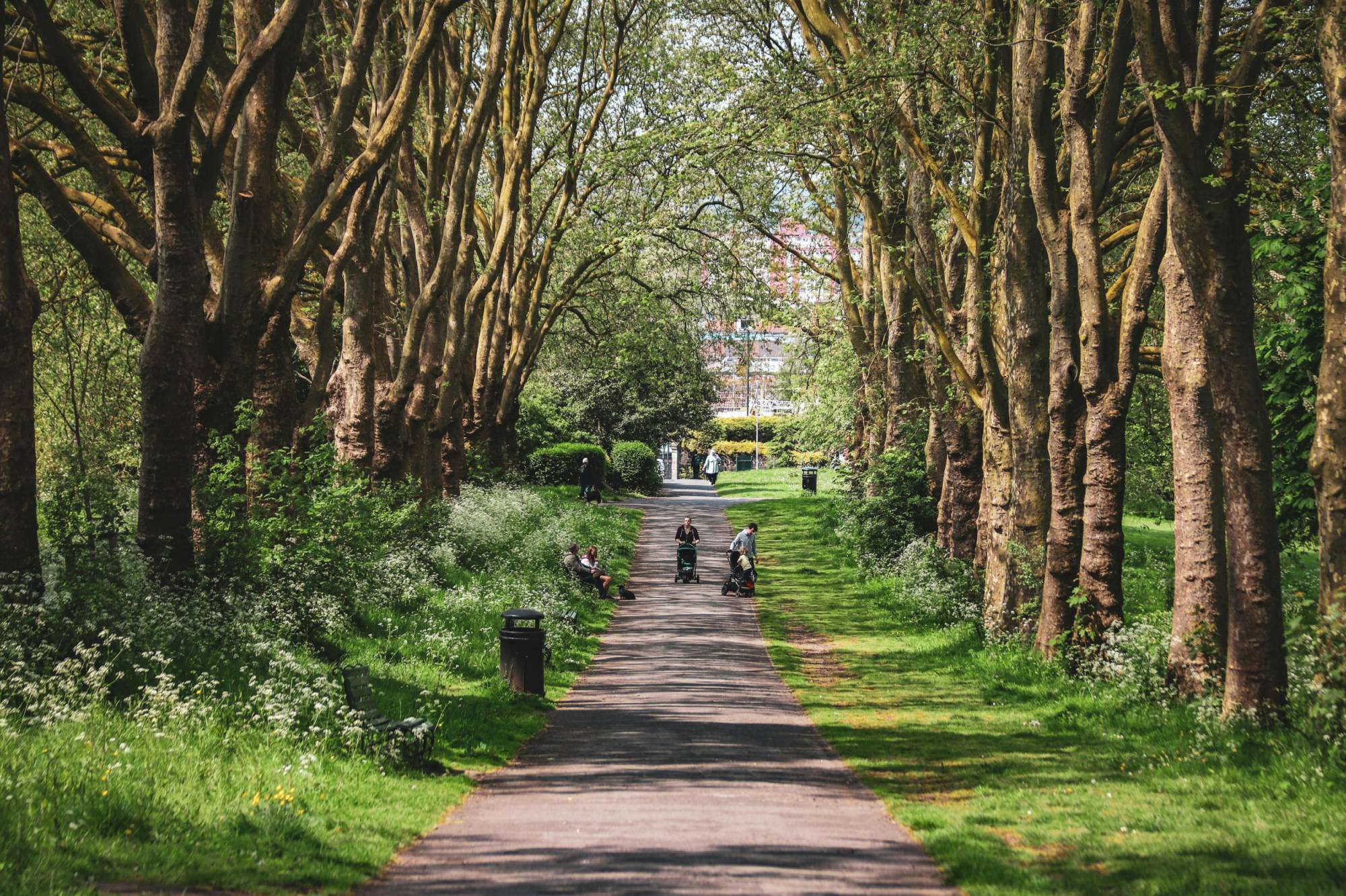
Newcastle's green spaces are vital to the city's identity and quality of life. They provide essential ecological benefits, recreational opportunities, and contribute to residents' well-being. As urban areas expand, these green spaces face increasing threats from development and infrastructure projects. Recognising this, Newcastle has prioritised the preservation of its parks, gardens, and natural reserves.
The Role of the City Council
The Newcastle City Council plays a pivotal role in safeguarding these green spaces. Through strategic planning and policy-making, the council aims to integrate environmental considerations into urban development. This involves setting aside land for parks and nature reserves, enforcing regulations that limit urban sprawl, and promoting sustainable building practices.
One of the council's key strategies is the implementation of green belts around the city. These designated areas restrict urban development, preserving natural landscapes and preventing the merging of neighbouring towns. By maintaining these green belts, Newcastle ensures that its natural heritage is protected while accommodating necessary growth.
Community Involvement in Conservation
Community engagement is a cornerstone of Newcastle's approach to preserving green spaces. The city actively encourages residents to participate in conservation efforts through volunteer programmes and local initiatives. Community gardens, tree planting events, and clean-up drives are just a few examples of how citizens can contribute to maintaining their local environment.
These initiatives not only enhance the physical landscape but also foster a sense of community ownership and pride. By involving residents in decision-making processes, the city ensures that conservation efforts align with the needs and values of its people. This collaborative approach has proven effective in sustaining long-term environmental stewardship.
Innovative Conservation Strategies
Newcastle is also embracing innovative strategies to enhance its green spaces. The city is exploring the use of technology and data-driven solutions to monitor and manage its natural resources more effectively. For instance, satellite imagery and geographic information systems (GIS) are employed to track changes in land use and assess the health of ecosystems.
Additionally, Newcastle is investing in green infrastructure projects that integrate nature into urban settings. Green roofs, rain gardens, and permeable pavements are being implemented to manage stormwater, reduce heat islands, and improve air quality. These projects not only enhance the aesthetic appeal of urban areas but also provide tangible environmental benefits.
Balancing Development and Conservation
One of the greatest challenges Newcastle faces is balancing urban development with the preservation of green spaces. As the city grows, there is an increasing demand for housing, transportation, and commercial infrastructure. To address this, Newcastle is adopting a holistic approach that considers both economic growth and environmental sustainability.
The city is promoting mixed-use developments that combine residential, commercial, and recreational spaces within compact areas. This reduces the need for extensive land use while providing residents with convenient access to amenities. By encouraging higher-density living, Newcastle aims to minimise its ecological footprint while accommodating population growth.
Educational Initiatives for Future Generations
Education plays a crucial role in Newcastle's conservation efforts. The city is committed to raising awareness about the importance of green spaces among its residents, particularly young people. Schools are incorporating environmental education into their curricula, teaching students about biodiversity, sustainability, and the impact of human activities on nature.
Furthermore, Newcastle hosts workshops and seminars that provide practical knowledge on topics such as gardening, wildlife conservation, and sustainable living practices. By equipping residents with the skills and knowledge needed to care for their environment, the city is nurturing a culture of conservation that will endure for generations.
Challenges and Opportunities
Despite its successes, Newcastle faces ongoing challenges in preserving its green spaces. Climate change poses a significant threat, with rising temperatures and extreme weather events impacting local ecosystems. Additionally, financial constraints can limit the scope of conservation projects.
However, these challenges also present opportunities for innovation and collaboration. By partnering with academic institutions, non-profit organisations, and private sector stakeholders, Newcastle can leverage additional resources and expertise to enhance its conservation efforts.
Looking Ahead to Future Developments
Newcastle's commitment to preserving its green spaces is a testament to its dedication to sustainable urban living. As the city continues to grow, it must remain vigilant in protecting its natural assets while embracing new opportunities for development. By prioritising environmental stewardship and community involvement, Newcastle can ensure a vibrant and resilient future for all its residents.
In doing so, Newcastle not only enhances its own quality of life but also sets an example for other cities facing similar challenges. Through innovative strategies and collaborative efforts, it demonstrates that urban growth and environmental preservation can coexist harmoniously.
Local News
Newcastles Bold Strategy to Safeguard Precious Green Spaces
Newcastle is taking significant steps to preserve its green spaces amidst urban development pressures. The city council's initiatives focus on sustainable planning, community involvement, and innovative conservation strategies.




Comments (0)
You must be logged in to post comments.
Don't have an account? Register here
No comments yet. Be the first to share your thoughts!