
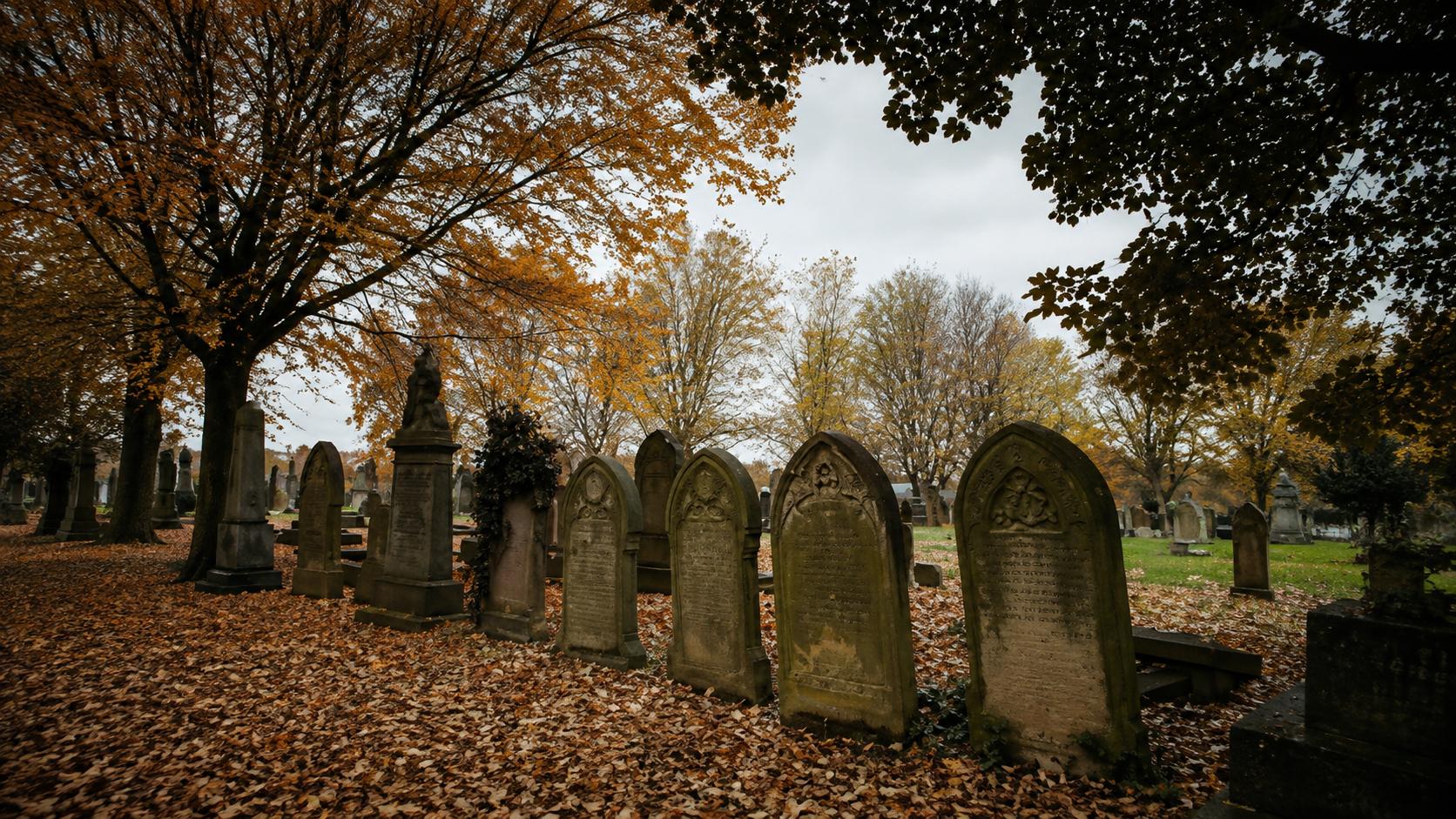
It is not a subject anyone raises at a dinner party, but every city eventually has to confront it. Burial ground is finite, and Newcastle's Victorian cemeteries were laid out by people who did not expect the city to still be using them in the 2020s.
Across England, the picture is the same. Many burial authorities have limited space left, some have effectively none, and new cemetery land is difficult and expensive to create.
The city is not about to run out tomorrow. But the direction of travel is one way, and the options for dealing with it are all complicated.
Cremation has taken most of the pressure.
The single biggest reason British cemeteries have not already filled is that the overwhelming majority of funerals now end in cremation rather than burial.
That shift happened within living memory. A century ago cremation was rare and controversial. Today it is the default, and it has bought burial authorities decades of breathing space.
Newcastle operates crematorium facilities alongside its cemeteries, and cremation remains substantially cheaper than burial, which reinforces the trend.
But a meaningful minority still require burial, whether by personal preference, family tradition or religious requirement. Islamic and Jewish practice requires burial, as does Orthodox Christian practice and that of several other communities.
A city with Newcastle's religious diversity therefore has a continuing and non-negotiable need for burial space, regardless of what the overall cremation rate does.
Reusing graves is legally difficult.
The obvious solution, used across much of continental Europe, is to reuse old graves. Remains are exhumed and reinterred deeper in the same plot, and the grave is used again above them.
England makes this extremely hard. Burial law dating from the nineteenth century restricts disturbing human remains, and the practical route to reuse involves a faculty or specific statutory powers that most burial authorities do not have.
London authorities were granted limited powers to reuse graves over a certain age under legislation passed in 2007. Similar powers have not been extended nationally, despite repeated recommendations that they should be.
The result is a system where a grave sold in 1890 to a family that no longer exists is, in practice, permanently occupied.
Grave rights are not always forever.
One point that surprises many families is that buying a grave usually means buying an exclusive right of burial for a fixed term, commonly a period of decades, rather than owning the land outright.
Those rights can typically be renewed, and authorities are required to make reasonable efforts to contact rights holders before taking any action on lapsed graves.
Understanding this matters when arranging a funeral, because the paperwork and the length of the term are worth reading rather than signing in a fog of grief.
The alternatives being considered.
Extending existing cemeteries is the simplest option where land adjoins, but suitable land is scarce and often has drainage, archaeology or ecology constraints.
New cemeteries need substantial sites with the right ground conditions, road access and no risk of contaminating groundwater, and they attract objections like any other development.
Above-ground options such as chambered vaults are common elsewhere in Europe and vanishingly rare here, largely for cultural reasons rather than technical ones.
Natural or woodland burial has grown considerably, using land at lower density with no permanent memorial, and appeals to families for environmental reasons as well as practical ones.
The cost side is getting harder too.
Burial is expensive, and the gap between a burial and a cremation runs to a substantial sum once the plot, the interment fee and a memorial are included.
Public health funerals, arranged by councils where nobody else will or can arrange one, have risen across the country and represent a real cost to local authorities as well as a quiet indicator of isolation and poverty.
Support exists through the Funeral Expenses Payment for families on certain benefits, though it rarely covers the full cost.
Cemeteries are more than burial grounds.
Newcastle's older cemeteries function as green space, wildlife habitat and open-air archive. Jesmond Old Cemetery and the city's other Victorian grounds contain a substantial amount of local history in stone.
Friends groups do real work maintaining and recording them, and cemetery records are one of the richest resources available to anybody researching family history.
That dual role complicates decisions. Space that could take new burials is often exactly the space that has become established habitat or heritage.
Share your thoughts.
Should England change the law to allow the careful reuse of very old graves?
Local News
Newcastle's Cemeteries Are Filling Up: What Happens Next
Advertisement



Comments (0)
You must be logged in to post comments.
Don't have an account? Register here
No comments yet. Be the first to share your thoughts!