
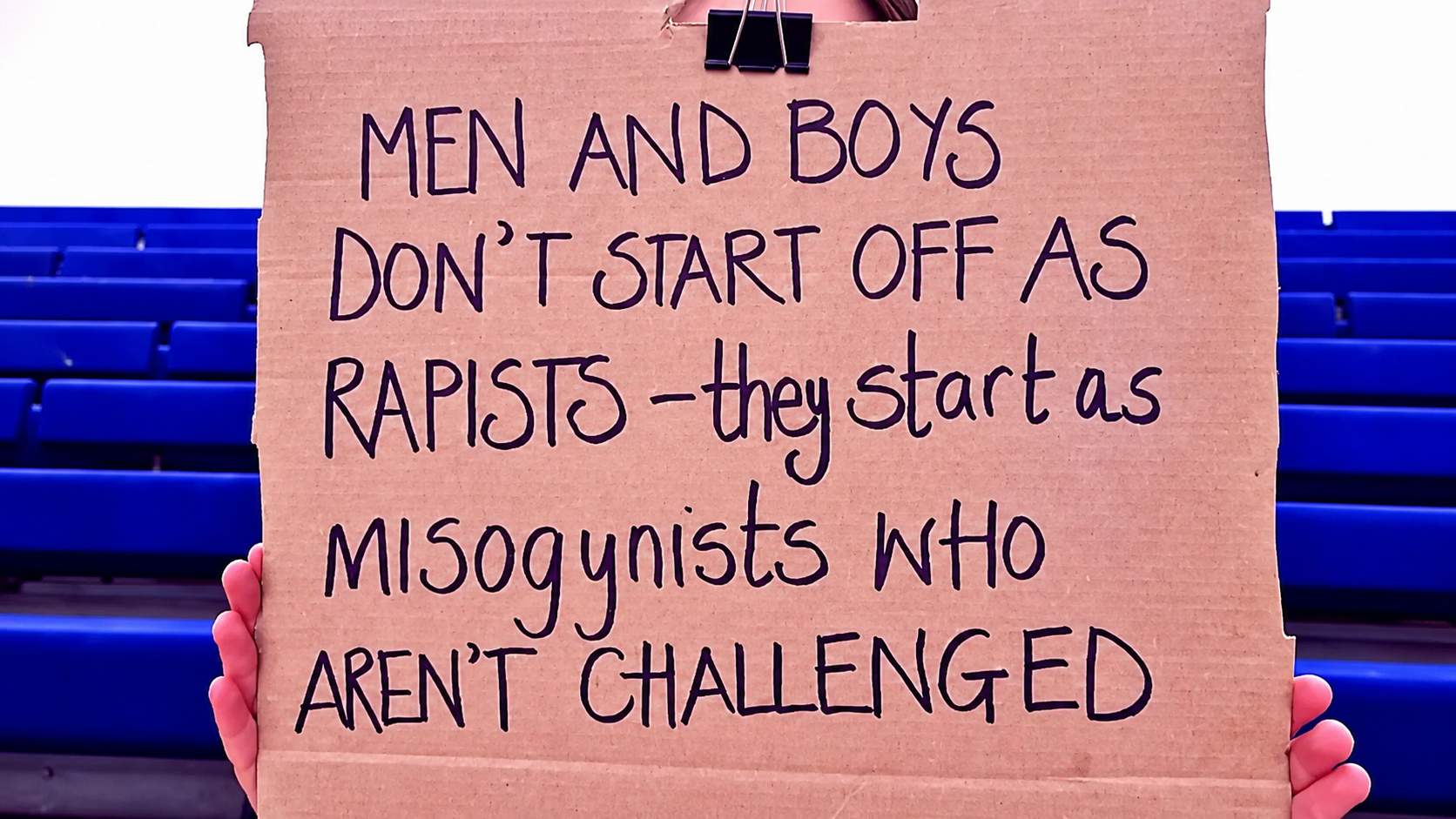
Teenage girls from the Newcastle area are urging schools, parents and policymakers to take stronger action against misogyny after revealing the abuse and intimidation they say has become part of everyday life. Their experiences, shared through a powerful awareness film, have highlighted growing concerns about sexist language, online harassment and threats that many young women feel are too often dismissed as "just banter".
The students say the problem stretches far beyond social media, affecting classrooms, friendship groups and daily life. Some described feeling anxious about walking home alone, while others admitted they had changed their routines simply to feel safer. Their message is clear. Respect must be taught long before harmful attitudes become normalised.
Calls for education and early intervention.
The campaign has drawn support from youth workers, education specialists and researchers across the North East, who argue that preventing abusive behaviour begins with education rather than punishment alone.
Professionals working with young people say they are increasingly supporting teenage girls who have experienced controlling behaviour or abuse in their first relationships. They warn that exposure to aggressive online content and unhealthy role models can influence attitudes if those messages are left unchallenged.
Campaigners believe schools across Newcastle and the wider region should place greater emphasis on healthy relationships, respect, consent and positive masculinity. They also stress that the overwhelming majority of boys reject misogynistic behaviour, making it important not to stereotype an entire generation while ensuring unacceptable conduct is challenged whenever it appears.
Newcastle and the North East face a wider challenge.
The issue has particular significance in Newcastle and neighbouring communities because the North East continues to record some of the highest levels of violence against women and girls in England. Local organisations say this makes education and prevention especially important, with many charities already working alongside schools to improve awareness.
The students involved in the campaign hope their experiences encourage honest conversations rather than blame. They believe silence allows harmful behaviour to continue and that young people themselves should have a stronger voice in shaping safer school environments.
Education experts say creating a culture of respect benefits everyone. Girls feel safer, boys gain healthier expectations about relationships, and schools become more inclusive places where pupils can focus on learning instead of fear.
Social media remains a growing influence.
Researchers say online platforms have changed the way harmful messages spread among young people. Content promoting sexism or unhealthy ideas about masculinity can reach teenagers within seconds, often through algorithms that repeatedly recommend similar videos.
Experts argue that parents, teachers and technology companies all have a role to play. Open conversations about digital literacy, respectful behaviour and critical thinking can help young people question harmful messages before they become accepted as normal.
Many campaigners also believe positive male role models deserve greater visibility, giving boys healthier examples of confidence, leadership and respect.
The statistics behind the concern.
The concerns raised by Newcastle teenagers reflect a broader national picture. According to the Office for National Statistics, millions of women across England and Wales experience violence against women or girls during their lifetime, while government figures estimate that around one in twelve women are affected by domestic abuse each year.
Meanwhile, research commissioned by organisations including Ofcom shows that teenagers spend several hours online every day, increasing exposure to social media content that can shape attitudes and behaviour. Education specialists say these figures underline why schools and families must work together to encourage respectful relationships from an early age.
The Government has announced measures aimed at reducing violence against women and girls, including updated Relationships, Sex and Health Education guidance for schools and investment in targeted intervention programmes. Campaigners say these changes are welcome, but lasting progress will depend on consistent action inside classrooms and communities.
A conversation that cannot be ignored.
For the young women who chose to share their stories, the goal is not to create division but to encourage understanding and lasting change. They hope their experiences will inspire more pupils to report inappropriate behaviour, support one another and speak openly about the challenges they face.
Across Newcastle, many believe the conversation has reached an important turning point. Whether through education, stronger community support or better online safeguards, there is growing agreement that respect should never be optional and that every young person deserves to feel safe at school and beyond.
Share your views.
Do you think sexist comments are too often dismissed as "banter"?
Local News
North East Girls Demand Action on School Misogyny Disguised As 'Banter'
Advertisement





Comments (0)
You must be logged in to post comments.
Don't have an account? Register here
No comments yet. Be the first to share your thoughts!