
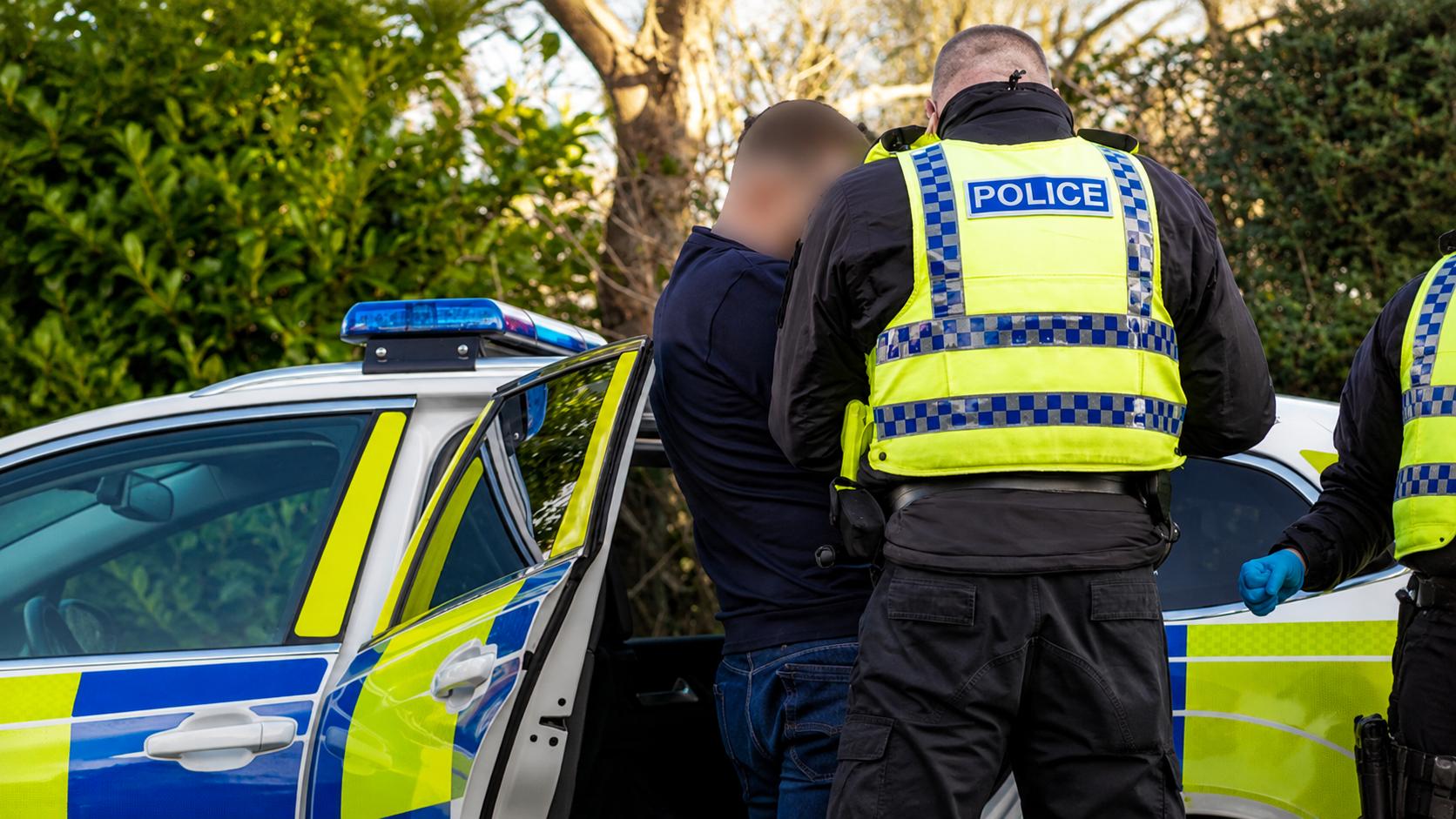
The officer who stops to speak to you on Northumberland Street on a Saturday afternoon may not be paid for being there. Special constables wear the same uniform as their full-time colleagues, carry the same warrant card, hold the same powers of arrest and deal with the same incidents, and a great many members of the public go their entire lives without realising the distinction exists.
That is largely deliberate. The uniform is identical because the authority is identical, and a special constable dealing with a public order incident, a road traffic collision or a domestic call is exercising exactly the powers a regular officer would. The difference is not in what they can do. It is that they do it as volunteers, around a job, a degree or a family.
The role is far older than most people assume.
Volunteer constables predate the professional police service. The office of constable itself was originally a parish role, and the idea that ordinary citizens hold responsibility for keeping the peace runs deep in English legal history. The modern special constabulary was formalised in the nineteenth century and expanded significantly during both world wars, when large numbers of regular officers left for military service.
That history matters because it explains the constitutional position. A special constable is not an auxiliary or an assistant. They hold the office of constable in their own right, with the independent authority that comes with it.
The commitment is real and is checked.
Forces typically ask for a minimum monthly commitment, commonly in the region of sixteen hours, and expect it to be met consistently rather than in bursts. Shifts are arranged around the volunteer's availability, but the operational reality is that policing demand concentrates in evenings, weekends and public holidays, which is exactly when most people would rather not be working.
Training is substantial. New special constables go through an initial course covering law, powers, officer safety, first aid, statement writing and evidence, followed by a period working under supervision before being signed off for independent patrol. The initial phase takes months rather than weeks, and it runs largely in evenings and at weekends alongside whatever else the volunteer is doing.
Officer safety training and personal protective equipment are provided on the same basis as for regular officers, because the risks are the same. A volunteer arriving at a violent incident is not offered a lesser version of the job.
Who does it, and why.
The motivations divide fairly predictably. A significant proportion of special constables are testing the water before applying to become regular officers, and forces are quite open about the fact that the special constabulary is a substantial recruitment pipeline. Someone who has spent two years dealing with real incidents has a clearer idea of whether policing suits them than any application form can produce.
Others have no intention of joining full time and simply want to contribute. That group includes people in entirely unrelated careers, from teachers and engineers to hospitality workers and retired professionals, and the diversity of background is one of the genuine strengths of the model. A special constable who works in a bank, a school or a construction site brings knowledge to policing that a career officer would not have.
Employers play a role too. Some organisations formally support employees who volunteer, offering paid leave for training or duties under employer supported policing arrangements, on the basis that the skills gained in decision-making, conflict resolution and working under pressure come back into the workplace.
Eligibility is broader than people expect.
Applicants must generally be over eighteen, must pass vetting, medical and fitness requirements, and must not have certain convictions or significant unmanaged debt. Tattoos, glasses and a range of medical conditions that people assume are disqualifying frequently are not, and forces have moved away from many of the physical criteria that applied decades ago.
Certain occupations are incompatible, generally where a conflict of interest would arise, and there are restrictions relating to political activity that reflect the requirement for police impartiality.
Vetting is thorough and covers family and associates as well as the applicant, which occasionally surprises people. The process takes time, and applicants should expect months rather than weeks between applying and starting.
What the work actually involves.
Special constables in an urban force area spend a great deal of time on visible patrol, particularly in the city centre during the night-time economy, at football matches, at large events and at times of predictable demand.
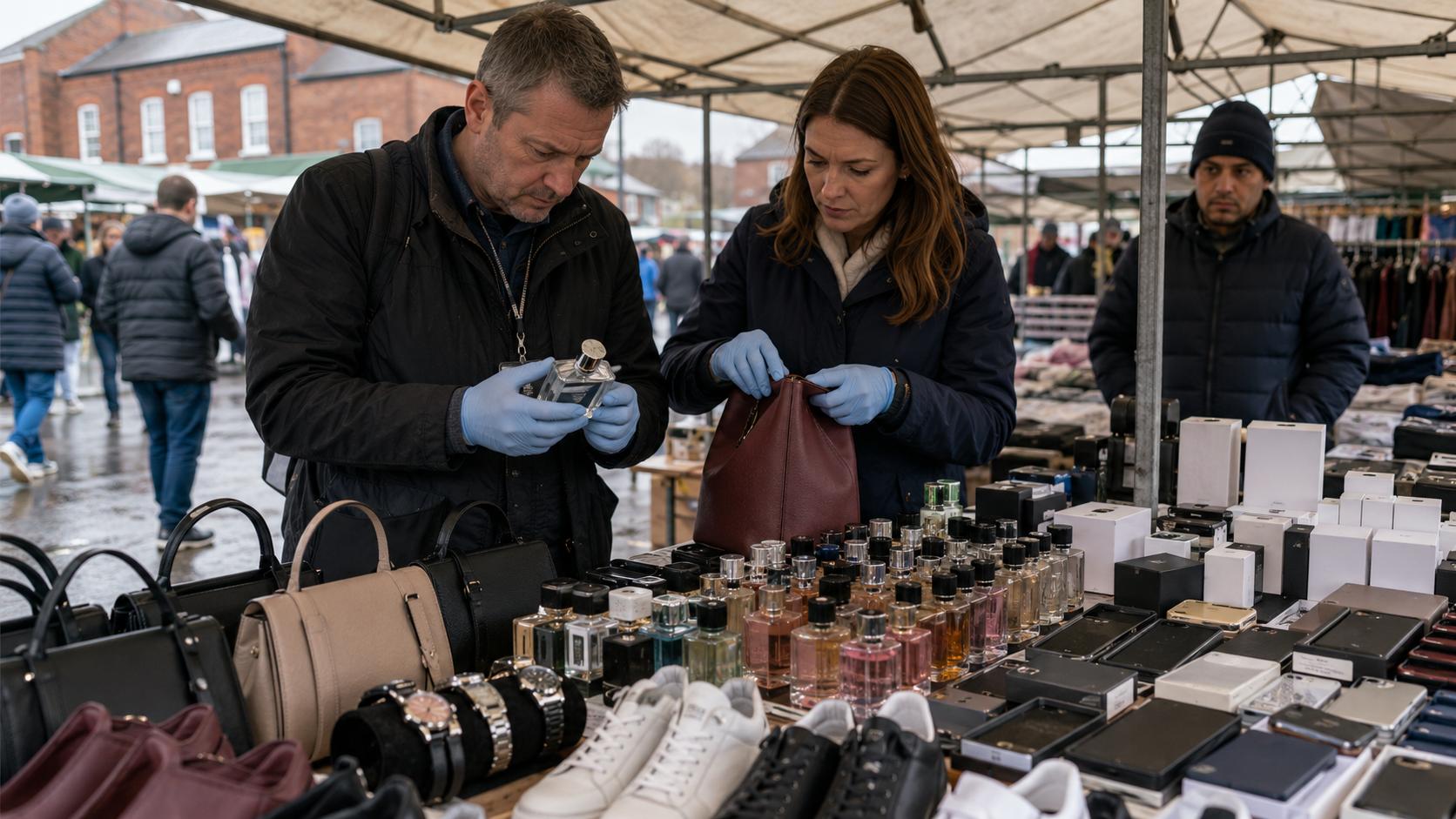
Beyond that, the work follows whatever comes in. Road traffic incidents, shoplifting, licensing checks, anti-social behaviour, missing persons searches, house-to-house enquiries after a burglary, warrant execution and public reassurance patrols after a serious incident.
Many specials develop into specialist areas over time, including roads policing, rural crime, marine, and neighbourhood work, and experienced volunteers can be promoted within the special constabulary hierarchy.
The criticisms deserve a hearing.
The model is not universally admired. Police staff associations have periodically raised concerns that volunteers can be used to fill gaps created by cuts to paid officer numbers, and that a service which depends on unpaid labour for core functions has a structural problem.
There is also a fairness question. Volunteering requires spare time, which is not evenly distributed, and a model that depends on it will inevitably draw more heavily from people with secure employment and fewer caring responsibilities.
Supporters respond that specials add capacity that would not otherwise exist, bring skills the service could not afford to buy, and strengthen the link between police and public that has weakened as neighbourhood policing has thinned. Both positions have merit, and the honest answer is that a special constabulary should be an addition to a properly resourced force rather than a substitute for one.
Share your thoughts.
Would you consider volunteering as a special constable, and what would put you off?
Crime News
Special Constables: Newcastle's Volunteer Police Officers
Advertisement


Comments (0)
You must be logged in to post comments.
Don't have an account? Register here
No comments yet. Be the first to share your thoughts!