
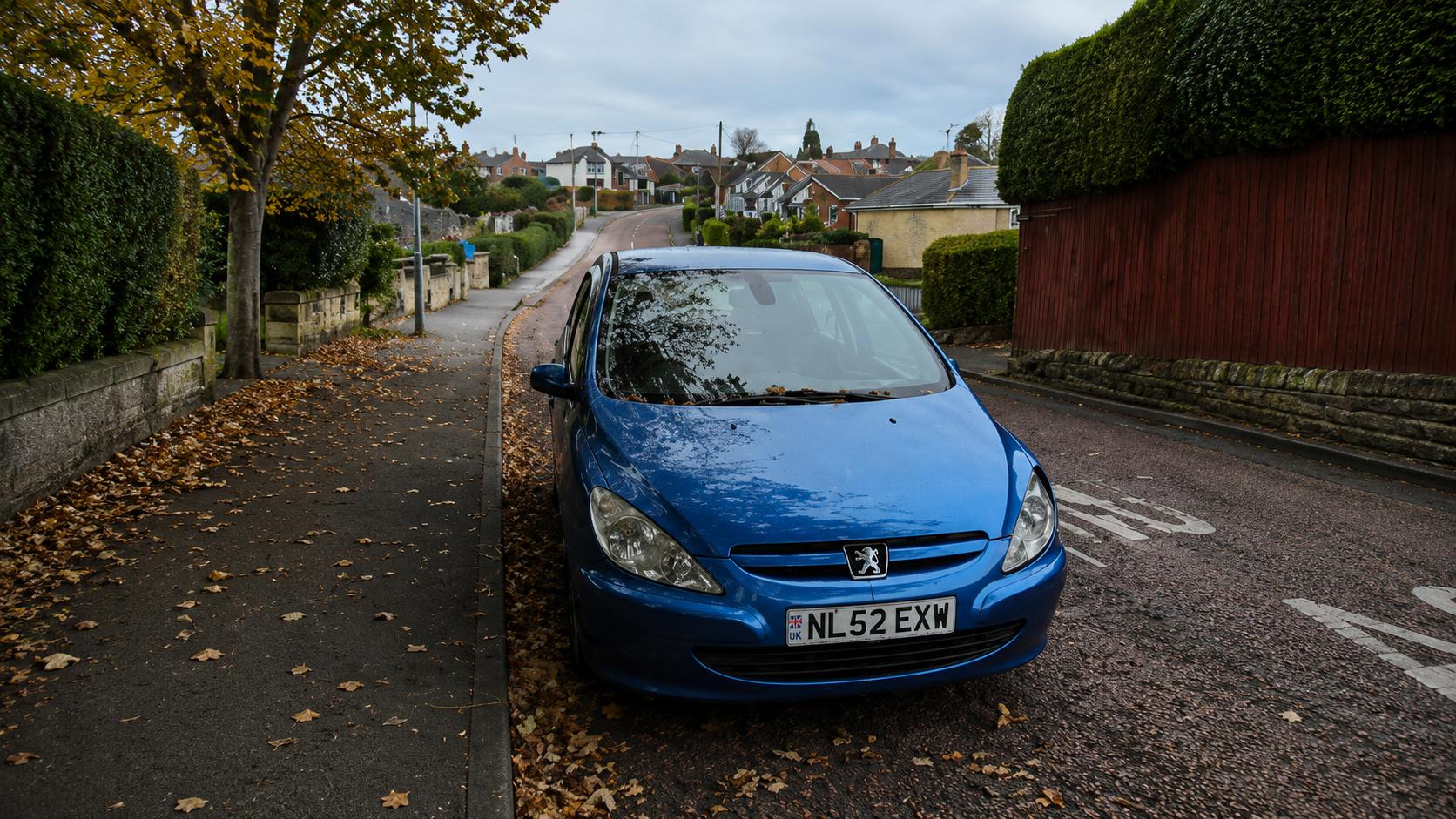
There is one on most estates. Flat tyres sunk into the kerb, a windscreen green with algae, a tax disc holder from a decade nobody misses, and a growing pile of leaves in the wheel arches.
Nobody has touched it in months. Everybody assumes somebody must be dealing with it.
Frequently nobody is, because nobody has reported it.
Abandoned is a legal test, not an opinion.
This is where most complaints stall. A car that looks abandoned is not automatically abandoned in law, and a council cannot remove a vehicle simply because neighbours are fed up with it.
Councils assess against a set of indicators. Is the vehicle taxed. Is it insured. Does it have a valid MOT. Is it damaged, burnt out, missing wheels or windows. Has it been stationary for a prolonged period. Is there any sign of an owner.
A shabby but taxed and insured car belonging to someone who works away is a legitimately parked vehicle, however unloved it looks. An untaxed vehicle with no registered keeper and a smashed window is a different matter.
The powers councils hold.
The main power comes from refuse and amenity legislation which allows a local authority to remove a vehicle that has been abandoned on land in the open air.
The process differs depending on the condition of the vehicle. Where a vehicle is in such poor condition that it is fit only for destruction, it can be removed quickly after a short notice period.
Where the vehicle appears to have some value, the council must make efforts to identify and contact the registered keeper and give a longer notice period before disposal.
Once removed, a vehicle is stored, and the keeper can reclaim it on payment of removal and storage charges. If nobody comes forward, it is disposed of, usually for scrap.
Untaxed is a separate route.
An untaxed vehicle parked on a public road is a matter for the DVLA rather than the council, and the DVLA can clamp or remove it regardless of whether it is abandoned.
That distinction confuses a lot of people who report a vehicle to the council, are told it is not abandoned, and conclude that nothing can be done.
If it is untaxed and on the road, report it to the DVLA. If it is abandoned, report it to the council. If it is on private land, neither of them may have the power to act, and the landowner has to deal with it.
Private land is the hardest case.
Vehicles dumped on private car parks, forecourts, garage courts and housing land are a genuine headache. The council's powers are more limited, and the landowner may have to go through their own removal process at their own cost.
Housing providers deal with a lot of this and generally have established procedures. For a private landowner, the process involves establishing that the vehicle is genuinely abandoned, giving notice, and using a licensed removal contractor.
Burnt-out vehicles are different again.
A burnt-out car is a police matter first, because it is potential evidence of arson or of a vehicle used in another offence.
Once the police release it, removal follows the standard route, and burnt-out vehicles are usually treated as fit only for destruction so they come away quickly.
They are also a hazard while they sit there. Residue, sharp metal, broken glass and, on grass or near buildings, a fire risk of their own.
Why they matter more than they look.
Abandoned vehicles are a classic broken windows problem. A street that visibly tolerates one dumped car tends to accumulate fly-tipping, then more vehicles, and the perception of neglect becomes self-reinforcing.
They occupy parking space in areas where parking is already contested. They attract children who climb on them. They leak oil and coolant into drains. And they signal to everybody who lives there that nobody is paying attention.
Reporting is straightforward.
Councils have online reporting for abandoned vehicles, and the useful details are the registration number, the exact location, how long it has been there and its visible condition. A photograph helps.
Vehicle tax status can be checked instantly on the government website using the registration, which tells you within seconds whether the DVLA route is the right one.
The single biggest reason vehicles sit for months is that everybody assumed it had already been reported.
Share your thoughts.
Is there an abandoned vehicle near you that has been sitting there far too long?
Local News
The Abandoned Vehicles Left Rotting on Newcastle Streets
Advertisement



Comments (0)
You must be logged in to post comments.
Don't have an account? Register here
No comments yet. Be the first to share your thoughts!