
Beneath the calm waters of Northumberland's reservoirs lies a hidden chapter of the North East's history. Long before walkers, cyclists and anglers arrived to enjoy these scenic locations, several valleys were home to families, farms, cottages and even sections of railway that disappeared forever beneath rising water.
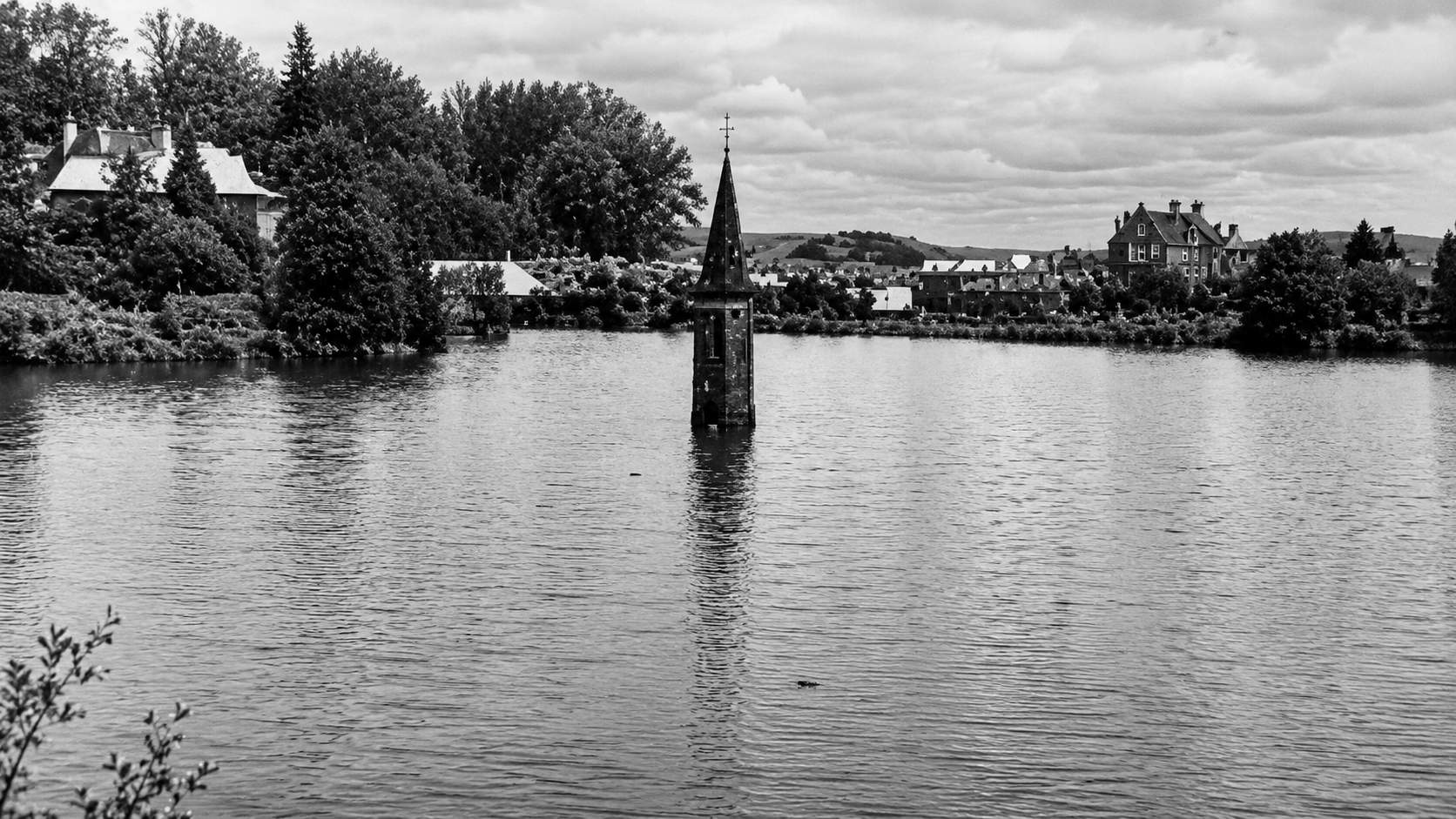
While Britain is famous for submerged villages such as Derwent in Derbyshire, Northumberland has its own fascinating stories of communities that made way for reservoirs supplying drinking water to Newcastle and beyond. Although many buildings were demolished before flooding began, traces of these forgotten places still capture the imagination of visitors today.
Catcleugh Reservoir transformed an entire valley.
One of the earliest examples is Catcleugh Reservoir in Redesdale. Construction began in 1888 and was completed in 1905 as part of an ambitious project by the Newcastle and Gateshead Water Company to provide a reliable supply of clean drinking water for a rapidly growing population.
The reservoir holds around 10.5 million cubic metres of water and forms part of a chain of reservoirs connected by tunnels and aqueducts that still help supply Newcastle, Gateshead and surrounding communities today.
Although there was no large village to flood, isolated farms and homes disappeared as the valley was transformed. Hundreds of workers also lived in temporary construction settlements complete with a school, church and accommodation. Remarkably, one restored workers' cottage still survives and can be visited during guided heritage tours organised by Northumberland National Park.
Kielder Water changed the North Tyne forever.
The most dramatic transformation came with the construction of Kielder Water during the 1970s and early 1980s. Covering almost 27 square kilometres, it remains the largest artificial lake in England by capacity and one of the biggest man-made reservoirs in north-west Europe.
Creating such a vast reservoir meant permanently changing the landscape of the North Tyne Valley. Farms, roads, bridges and part of the former Border Counties Railway disappeared beneath the rising water, while sections of the old railway embankment can still occasionally be identified around the shoreline.
Unlike some famous flooded villages elsewhere in Britain, most buildings were carefully demolished before the reservoir filled. Even so, local history enthusiasts continue to search for the hidden remains of former settlements that once occupied the valley. Community records show the area around modern Kielder had a long history stretching back thousands of years, with archaeological discoveries including prehistoric burial sites and flint tools.
Newcastle still benefits from these engineering projects.
The reservoirs were built for a simple reason. Newcastle and neighbouring towns needed more drinking water as industry and population expanded during the Victorian era.
Today, the Catcleugh reservoir system remains linked to Whittle Dene through an impressive network of tunnels and aqueducts that continues delivering water across Tyneside more than a century after construction began.
Meanwhile, Kielder Water supports public water supplies across much of North East England while also attracting hundreds of thousands of visitors each year for walking, cycling, sailing, fishing and stargazing. What were once remote working valleys have become some of the region's best known outdoor destinations.
Hidden history beneath the surface.
Most visitors admire the peaceful scenery without realising the sacrifices made to create it. Beneath these reservoirs are forgotten roads, vanished farmsteads and communities that helped shape Northumberland long before the dams were built.
Although the buildings may have disappeared, their stories remain part of the North East's heritage. Every walk along the shores of Kielder Water or Catcleugh Reservoir follows landscapes where generations once lived, worked and raised families. It is a reminder that some of the region's richest history now lies hidden beneath the water, waiting to be remembered.
Join the discussion.
Did you know that we had villages lost in lakes in the North East?
Newcastle History
The Hidden Communities Under Northumberland's Lakes
Advertisement



Comments (0)
You must be logged in to post comments.
Don't have an account? Register here
No comments yet. Be the first to share your thoughts!