
Newcastle has always known how to entertain. Long before arena concerts and modern multiplex cinemas, the city's residents packed grand theatres, elegant music halls and bustling picture houses to escape everyday life. While many famous venues have disappeared over the decades, several historic entertainment landmarks continue to welcome audiences, preserving almost two centuries of North East culture.
From one of England's finest theatres to a cinema that has survived the arrival of television, streaming services and changing tastes, Newcastle's oldest surviving entertainment venues remain at the heart of city life. Their stories are filled with world-famous performers, architectural triumphs and unforgettable nights that have shaped generations of Geordies.
Theatre Royal remains Newcastle's crown jewel.
No list could begin anywhere else.
Standing proudly on Grey Street since 1837, Newcastle Theatre Royal is the city's oldest surviving purpose-built entertainment venue still operating today. The Grade I listed building replaced an earlier Theatre Royal that had opened in 1788 before the redevelopment of Newcastle city centre.
Designed by architects John and Benjamin Green, the theatre has become one of Britain's most admired performance spaces. Although a devastating fire destroyed much of the interior in 1899, celebrated theatre architect Frank Matcham designed the magnificent auditorium visitors enjoy today.
The theatre seats around 1,249 people and stages everything from West End musicals and ballet to comedy, opera and drama. Over nearly two centuries, performers including Sir Laurence Olivier, Dame Judi Dench, Sir Ian McKellen, Orson Welles and Charlton Heston have appeared on its famous stage.
Tyneside Cinema survived when many others disappeared.
When talking about surviving entertainment venues, Tyneside Cinema deserves special recognition.
Opened in 1937, the independent cinema is the UK's last remaining purpose-built Newsreel Theatre. It originally screened news bulletins, documentaries and short films before expanding into mainstream cinema as audience habits changed.
Today it continues operating as one of Britain's best-loved independent cinemas, blending Hollywood releases with independent productions, foreign language films and live event screenings. Its careful restoration has ensured many original Art Deco features remain intact, making a visit as much about the building as the films themselves.
While thousands of cinemas closed across Britain during the second half of the twentieth century, Tyneside Cinema adapted and survived, becoming one of Newcastle's most treasured cultural institutions.
City Hall has welcomed music legends for almost a century.
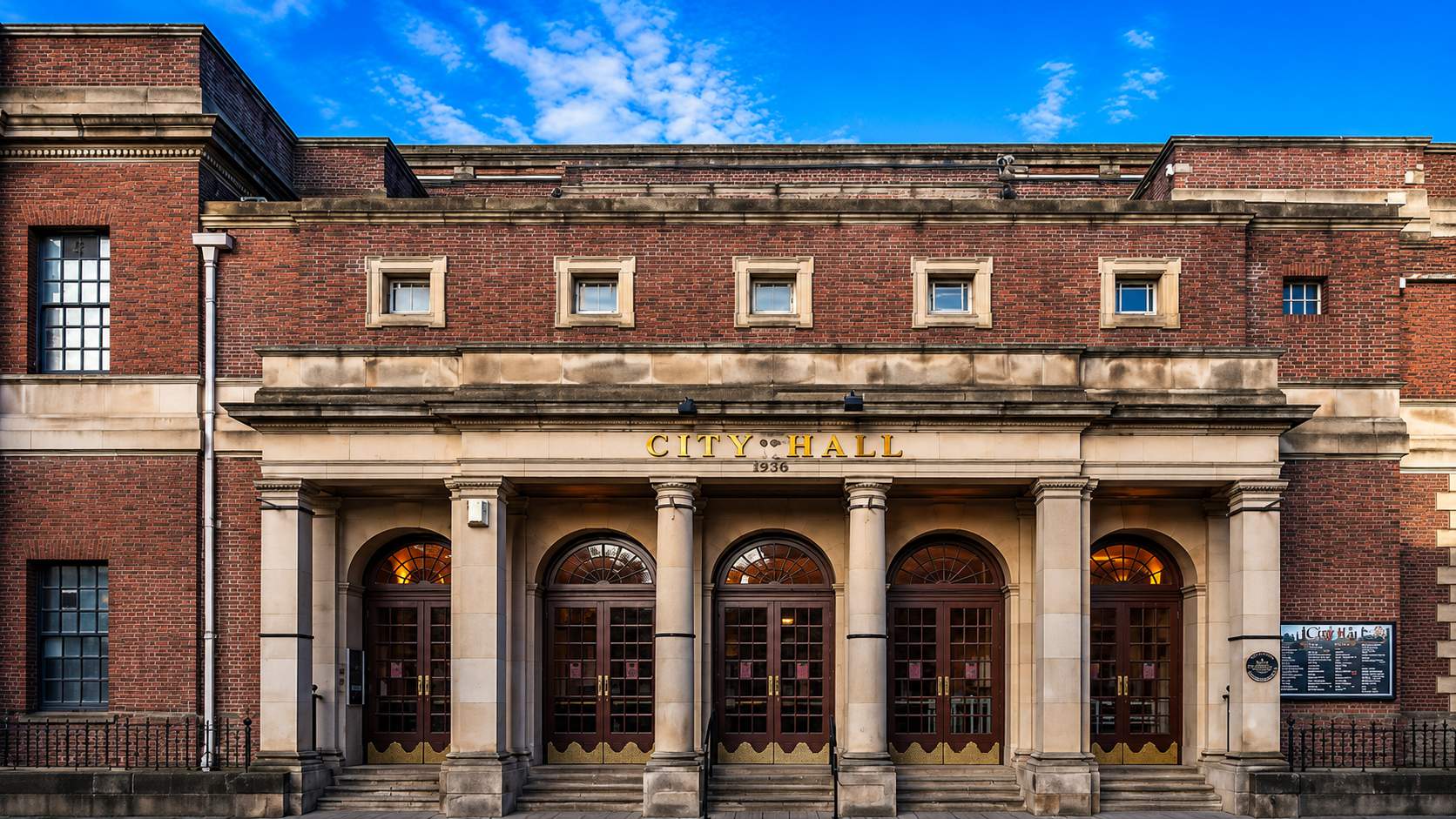
Although younger than the Theatre Royal, O2 City Hall Newcastle has built a remarkable legacy since opening in 1928.
Originally constructed as Newcastle's first purpose-built concert hall, it houses the impressive Harrison and Harrison organ installed the same year. During its early decades, the venue welcomed leading orchestras, renowned conductors and internationally respected classical musicians before embracing the explosion of popular music during the 1960s.
The Beatles, The Rolling Stones, Elton John, Bruce Springsteen and Dire Straits all performed there, helping establish City Hall as one of Britain's most respected live music venues. Bruce Springsteen has even described his 1981 performance there as one of his finest concerts.
Today the venue accommodates around 2,135 people, continuing to host concerts, comedy performances and live entertainment throughout the year.
Newcastle has lost many famous entertainment venues.
The city's entertainment history is also one of remarkable survival against significant loss.
Many once-famous venues have disappeared completely, including the Empire Theatre, the Palace Theatre, several Victorian music halls and dozens of neighbourhood cinemas that served communities across Newcastle during the twentieth century.
The former Music Hall on Nelson Street, where Charles Dickens delivered public readings between 1852 and 1867, largely disappeared during redevelopment, although its historic frontage survives with a commemorative plaque honouring the celebrated novelist. The survival of buildings such as Theatre Royal and City Hall is therefore even more significant, providing rare links to Newcastle's cultural past.
Historic venues continue to drive the local economy.
Historic entertainment venues are not simply museums. They remain important contributors to Newcastle's visitor economy.
The Theatre Royal attracts hundreds of thousands of visitors each year, while City Hall continues bringing nationally recognised artists to the city. Together with attractions including Tyneside Cinema, Live Theatre and The Glasshouse International Centre for Music across the Tyne in Gateshead, they help strengthen the North East's reputation as one of England's leading cultural destinations.
According to VisitEngland, cultural tourism contributes billions of pounds annually to the UK visitor economy, with heritage attractions playing a major role in encouraging overnight stays and repeat visits across cities including Newcastle.
Why these venues still matter.
Historic entertainment venues tell the story of Newcastle through performance, architecture and shared memories.
Every generation has experienced these buildings differently. Victorian audiences watched Shakespeare beneath gaslight chandeliers, families gathered for wartime concerts, teenagers screamed for Beatlemania in the 1960s, while today's audiences continue filling seats for musicals, stand-up comedy and international music tours.
That continuity is remarkably rare. Few cities can claim entertainment venues that have remained active across nearly two centuries while continuing to evolve alongside changing audiences.
As Newcastle grows and modern venues emerge, these historic landmarks remain powerful reminders that the city's cultural identity has always been built on bringing people together for unforgettable nights out. Their walls have witnessed history, and every performance ensures that story continues for future generations.
Share your experience.
Have you visited any of Newcastle's oldest entertainment venues?
Entertainment News
The Historic Newcastle Entertainment Venues Have Survived For Centuries
Advertisement



Comments (0)
You must be logged in to post comments.
Don't have an account? Register here
No comments yet. Be the first to share your thoughts!