
Tourism has become one of the North East's most important industries, quietly supporting tens of thousands of jobs while helping local businesses thrive throughout the year. From Newcastle's bustling city centre to the castles of Northumberland, County Durham's historic landmarks and the region's award-winning coastline, visitors continue to play a vital role in the area's economic success.
While many people associate tourism with hotels and attractions, its impact stretches much further. Restaurants, cafés, retail shops, taxis, entertainment venues, museums, event organisers and transport providers all benefit when visitors choose the North East for a day trip, weekend break or longer holiday.
New figures show the region's visitor economy continues to grow despite wider economic challenges, creating employment opportunities across multiple sectors while strengthening communities throughout Newcastle and the wider North East.
Tourism has become one of the region's biggest employers.
The latest STEAM tourism data highlights just how significant the industry has become.
During 2025, the North East welcomed more than 70.3 million visitors, an increase of 2.8 percent compared with the previous year. Visitor spending also rose to more than £7.13 billion, while approximately 63,600 people were employed directly or indirectly through the visitor economy.
Those jobs range from hotel receptionists and chefs to museum staff, tour guides, retail workers, event organisers, theatre technicians, taxi drivers and marketing professionals. Every visitor who books accommodation, buys lunch or visits an attraction contributes to businesses that rely on tourism income.
For many towns across the region, tourism provides year-round employment opportunities that help support local economies beyond traditional industries.
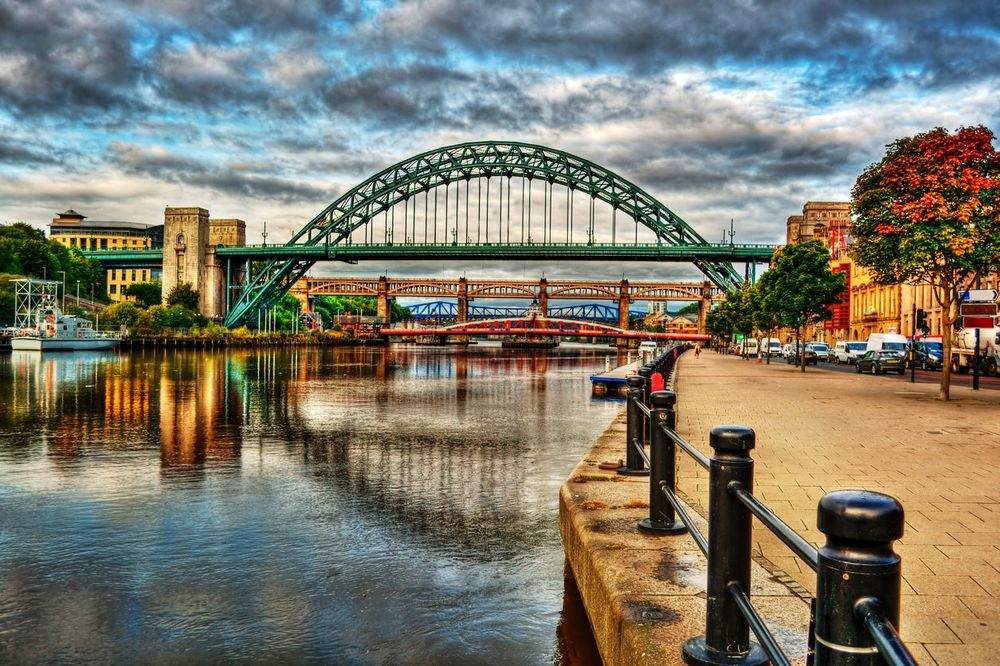
Newcastle remains the gateway to the North East.
Newcastle continues to be the region's largest tourism hub, welcoming visitors arriving by rail, road, cruise ship and Newcastle International Airport.
The city's combination of historic architecture, nightlife, shopping, sporting events, theatres and restaurants makes it one of the UK's leading destinations for short city breaks. Visitors often use Newcastle as a base before exploring Northumberland, Hadrian's Wall, Durham Cathedral, the North Pennines and the North East coastline.
This creates a ripple effect across the region. Money spent in Newcastle frequently supports businesses well beyond the city as visitors extend their trips to discover more of what the North East has to offer.
Attractions help sustain local employment.
The North East is home to some of Britain's most recognisable attractions, many of which employ hundreds of people directly while supporting local supply chains.
Beamish Museum remains one of the region's standout success stories. In 2024 it welcomed more than 838,000 visitors, making it the North East's most visited attraction. The museum also delivers educational programmes for around 40,000 schoolchildren each year, while volunteers, local suppliers and hospitality businesses all benefit from its popularity.
Other major attractions including Durham Cathedral, Bamburgh Castle, The Alnwick Garden, Ad Gefrin, The Auckland Project and the Life Science Centre continue drawing visitors from across the UK and overseas.
Every ticket sold supports not only attraction staff but also nearby cafés, independent retailers, accommodation providers and transport operators.
Events create opportunities beyond the tourism sector.
Major sporting fixtures, concerts and festivals have become increasingly valuable to the regional economy.
Whether it is Newcastle United home matches, concerts at St James' Park, performances at the Utilita Arena or cultural festivals across Sunderland, Durham and Northumberland, large events encourage visitors to spend money across several sectors during a single trip.
Hotels experience increased occupancy, restaurants welcome additional customers and local transport providers benefit from higher demand. Businesses often recruit temporary staff during busy periods, creating flexible employment opportunities for students and seasonal workers.
Tourism therefore supports far more than attractions alone. It helps sustain an interconnected network of businesses that rely on visitor spending throughout the year.
Independent businesses benefit from visitor spending.
Small businesses are among the biggest winners when tourism grows.
Independent cafés in Newcastle, gift shops in Northumberland villages, artisan food producers, market traders and local tour operators all depend on visitors discovering the region.
Many tourists actively seek independent experiences rather than national chains, helping local entrepreneurs retain more spending within the regional economy.
This growing demand for authentic experiences has encouraged businesses to invest in food tourism, heritage tours, outdoor activities and locally produced goods, creating further employment opportunities.
Overnight visitors deliver even greater economic value.
While day visitors remain important, overnight guests generate significantly higher spending.
Recent research found overnight visitor numbers across the North East increased during 2024, with Newcastle and Gateshead recording one of the strongest improvements. Visitors are also staying longer on average, increasing expenditure on accommodation, dining, shopping and entertainment. The visitor economy was worth more than £6.6 billion in 2024 before rising further in 2025.
Regional tourism organisations are now targeting more international visitors alongside business travellers who extend work trips into leisure breaks.
This strategy helps spread visitor spending throughout the year rather than concentrating activity during the summer months.
Investment is creating confidence for the future.
Tourism leaders believe the North East has significant untapped potential.
Regional organisations have outlined ambitions to grow the visitor economy to £10 billion by 2034, supported by investment in attractions, transport, accommodation and international marketing.
At the same time, wider investment in creative industries is strengthening tourism. Developments such as Crown Works Studios in Sunderland are expected to create more than 8,000 jobs, while also attracting film productions, visitors and supporting businesses across the region.
As more people discover the North East through television, film, sporting events and social media, tourism's contribution to employment is likely to grow even further.
A sector that benefits every community.
Tourism is often viewed simply as holidays and sightseeing, but its real impact reaches into almost every corner of the regional economy.
The success of Newcastle's restaurants, Northumberland's visitor attractions, Durham's heritage sites and the North East's growing events industry all depends on people choosing to visit.
Every hotel booking, museum ticket, restaurant meal and attraction visit helps sustain local employment, encourages investment and supports businesses of every size.
With visitor numbers continuing to rise and ambitious plans in place for the coming decade, tourism looks set to remain one of the North East's most valuable industries, creating opportunities for thousands of people while showcasing everything the region has to offer.
Share your views.
Which North East attraction do you think contributes the most to the local economy?
Business News
The North East Industry Keeping Thousands Employed
Advertisement




Comments (0)
You must be logged in to post comments.
Don't have an account? Register here
No comments yet. Be the first to share your thoughts!