
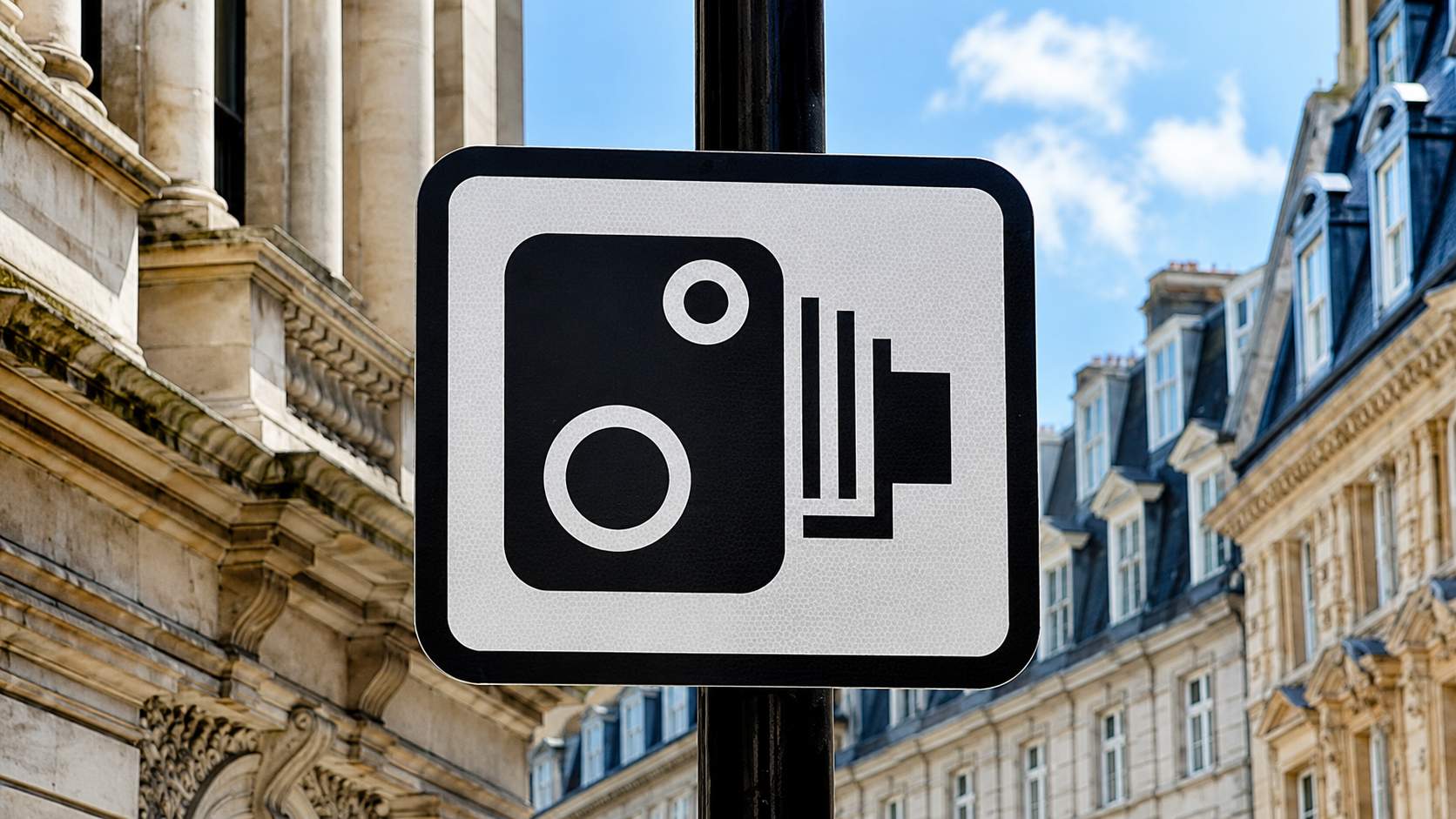
They are such a familiar sight on British roads that it is easy to assume a speed camera is little more than a camera mounted inside a yellow box. The reality is considerably more complicated, and more expensive.
There is no standard national price for installing one. Historical local authority estimates have typically put conventional fixed speed cameras in the region of £30,000 to £50,000 per unit, although those figures should now be treated as indicative rather than a 2026 quotation.
Modern installations can cost substantially more, particularly when several cameras are needed to monitor average speeds across a longer stretch of road.
Why can speed cameras cost tens of thousands.
Buying the camera itself is only part of the bill.
A permanent installation can require a suitable mounting structure, electrical supply, communications equipment, road markings and signs. There can also be civil engineering work, surveys and connections to systems used to process evidence.
Location makes a major difference. Supplying electricity to a camera on an isolated rural road can be considerably more complicated than connecting equipment where suitable infrastructure already exists.
A striking example emerged from Lincolnshire County Council in 2026. An average-speed camera system between Market Rasen and Ludford cost approximately £220,000, while providing its power supply cost another £184,644. That put those two elements together at more than £400,000.
It demonstrates why quoting one universal "speed camera price" can be misleading.
How expensive are average speed cameras.
Average-speed enforcement works differently from a traditional fixed camera.
Rather than measuring a vehicle at one location, cameras positioned along a route identify vehicles at different points and calculate their average speed between them.
That means an installation may require numerous cameras, communications equipment and supporting infrastructure.
Devon County Council approved an estimated £1 million scheme in January 2025 involving AI and speed enforcement cameras along the A361 corridor between Ilfracombe and Barnstaple. The project forms part of wider road safety work rather than representing the price of one individual camera.
This distinction matters. A £1 million "camera scheme" does not mean somebody has paid £1 million for a yellow box beside the road.
How big is speeding in Newcastle and the North East.
The numbers recorded by Northumbria Police show just how frequently speeding enforcement is required across the region.
Police said almost 42,000 speeding offences were recorded across the Northumbria force area during 2023. The force covers Newcastle, Gateshead, North Tyneside, South Tyneside, Sunderland and Northumberland.
An official Freedom of Information disclosure provides an even closer look at the figures.
Adding the monthly totals shows approximately 39,947 speeding offences in 2023. Between January and October 2024, another 38,220 were recorded, including 5,512 during May alone.
Those figures cover the entire Northumbria Police area rather than Newcastle alone, but they provide a useful indication of the scale of speeding enforcement across the North East.
What happens to speed camera fines.
One persistent misconception is that councils can install cameras and simply keep the resulting speeding fines.
The Department for Transport confirmed to Parliament in February 2026 that local authorities are responsible for the capital cost of installing fixed speed cameras as part of their wider capital spending responsibilities.
Revenue from fixed-penalty notices generated through speed-camera enforcement goes instead to HM Treasury's Consolidated Fund.
For motorists, the standard minimum speeding penalty is currently a £100 fine and three penalty points. Northumbria Police says the registered keeper should normally receive a Notice of Intended Prosecution and Section 172 notice within 14 days when a vehicle is caught speeding by a camera.
Why councils still invest in speed enforcement.
Speed cameras are ultimately installed as road safety measures rather than simply as pieces of photographic equipment.
The financial equation therefore extends beyond what it costs to purchase and install them. Authorities must consider collision histories, vehicle speeds, casualties and whether another intervention could produce better results.
For Newcastle and the wider North East, the tens of thousands of speeding offences recorded each year demonstrate why enforcement remains prominent.
A conventional fixed camera may historically have cost tens of thousands of pounds, while a sophisticated average-speed scheme can run into hundreds of thousands. What motorists see at the roadside is only the most visible part of a much larger system.
Share your views.
Do you think Newcastle and the North East need more speed cameras, or would the money be better spent on other road safety measures?
Crime News
The Surprising Cost of Installing a Single Speed Camera
Advertisement



Comments (0)
You must be logged in to post comments.
Don't have an account? Register here
No comments yet. Be the first to share your thoughts!