
The UK has witnessed a notable rise in cases of a mosquito-borne virus, chikungunya, typically found in Africa and southern Asia, with over 70 cases reported in the first half of this year, more than doubling last year's figures.
Chikungunya, a virus transmitted by mosquitoes, has seen a surge in cases among UK travellers, with 73 infections reported in the first six months of this year. This represents a significant increase from the 27 cases recorded during the same period last year. The virus, which can lead to sudden fever and joint pain, is primarily linked to travel in regions such as India, Sri Lanka, and Mauritius, where an outbreak is currently underway.
The UKHSA has issued a warning to travellers, emphasising the importance of taking preventive measures against mosquito bites. Dr Philip Veal, a Consultant in Public Health at UKHSA, highlighted the need for vigilance, stating, "Chikungunya can be a nasty disease, and we're seeing a worrying increase in cases among travellers returning to the UK." He advised using insect repellent, wearing protective clothing, and sleeping under insecticide-treated bed nets as effective strategies to minimise the risk of infection.
While chikungunya is rarely fatal, it can result in persistent joint pain that may last for months or even years. Most individuals recover fully within a few weeks, but the potential for long-term discomfort underscores the importance of prevention. The UKHSA also suggests that travellers consult the Travel Health Pro Website for the latest advice on their destinations and consider a chikungunya vaccine if travelling to high-risk areas.
In addition to chikungunya, the UK has reported its first cases of the Oropouche virus, a disease typically found in Central and South America and the Caribbean. This virus is primarily spread by midge bites, with the main type of midge involved in transmission not present in Europe or the UK. Symptoms of the Oropouche virus include high fever, chills, headache, joint pain, and muscle aches. The UKHSA has noted a global rise in Oropouche virus infections since 2024 and advises pregnant travellers to exercise particular caution due to potential risks during pregnancy.
The increase in cases of these mosquito-borne and midge-borne viruses highlights the need for heightened awareness and preventive measures among travellers. While the risk of onward transmission within the UK remains low due to the absence of the specific mosquito and midge species responsible for spreading these viruses, the health implications for affected individuals can be significant.
People are urged to ensure that standing water in their gardens is removed to prevent mosquito breeding. Additionally, wearing insect repellent when outdoors can further reduce the risk of infection. These simple yet effective steps can play a crucial role in safeguarding public health and preventing the spread of these, and other viruses.
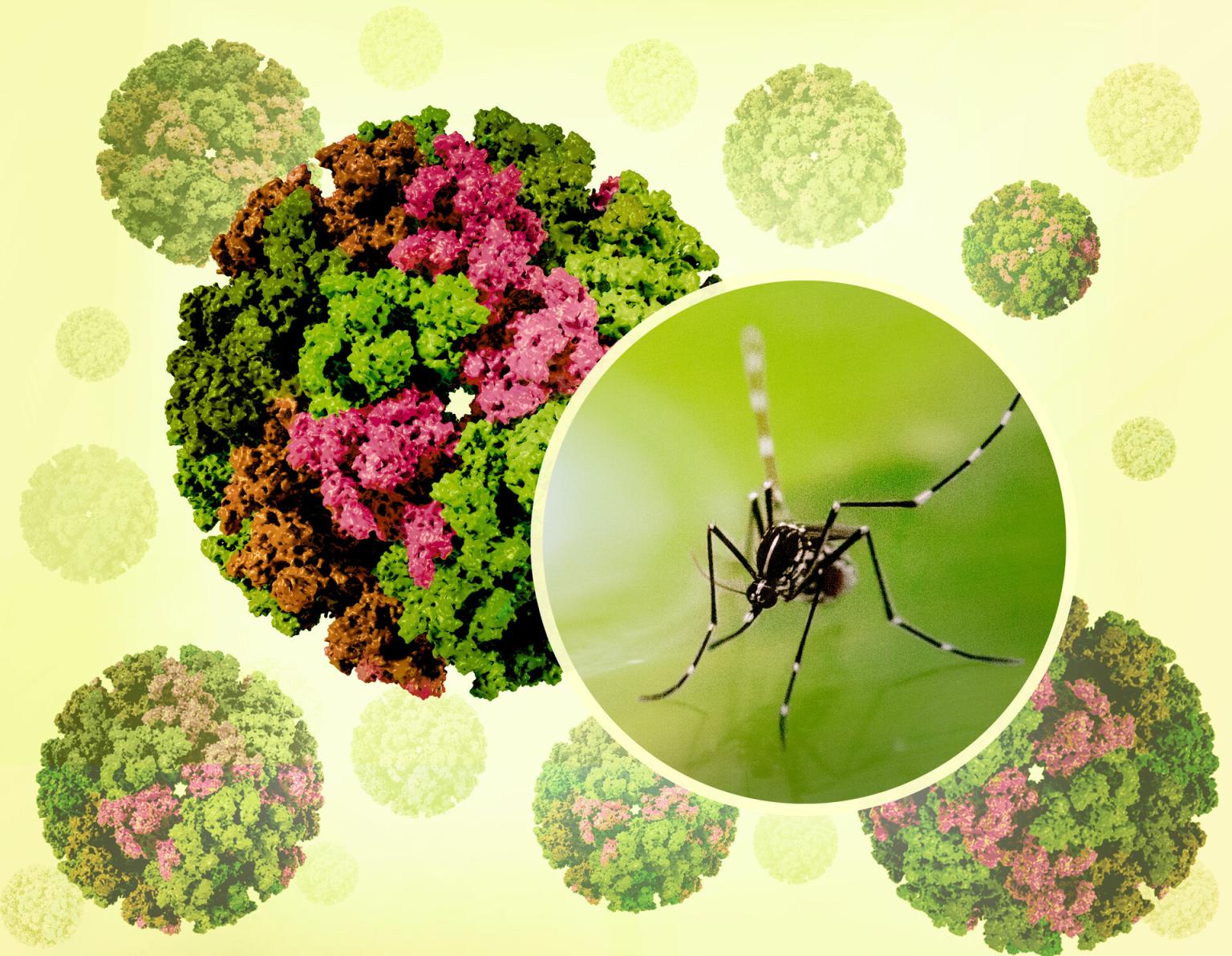
The chikungunya virus is primarily transmitted by two types of mosquitoes: Aedes aegypti and Aedes albopictus. These mosquitoes are not currently found in the UK, which reduces the risk of local transmission. However, the increasing number of cases among travellers returning from affected regions serves as a reminder of the potential health risks associated with international travel.
The UKHSA continues to monitor the situation closely and collaborates with international health organisations to track the spread of these viruses. Public health officials emphasise the importance of staying informed about potential health risks when travelling and taking appropriate precautions to protect oneself and others.
In light of the rising number of cases, health authorities are also exploring the development and availability of vaccines for these viruses. While a chikungunya vaccine is not yet widely available, ongoing research and development efforts aim to provide effective preventive measures for those travelling to high-risk areas.
The broader significance of these developments extends beyond individual health concerns. The increase in mosquito-borne and midge-borne virus cases underscores the interconnectedness of global health and the need for coordinated efforts to address emerging infectious diseases. As climate change and globalisation continue to impact the spread of diseases, international collaboration and proactive measures are essential to safeguarding public health.
The surge in chikungunya and Oropouche virus cases among UK travellers highlights the importance of preventive measures and awareness. By taking simple steps to protect against mosquito and midge bites, individuals can significantly reduce their risk of infection and contribute to broader public health efforts. As the situation evolves, staying informed and vigilant remains crucial in mitigating the impact of these viruses on individuals and communities alike.
Health
UK cases of mosquito-borne virus more than double
The UK has witnessed a notable rise in cases of a mosquito-borne virus, chikungunya, typically found in Africa and southern Asia, with over 70 cases reported in the first half of this year, more than doubling last year's figures.




Comments (0)
You must be logged in to post comments.
Don't have an account? Register here
No comments yet. Be the first to share your thoughts!