
Britain’s most iconic trade marks have been revealed as the UK’s historic trade mark register celebrates its 150th anniversary, highlighting the brands that generations of Britons say have become part of everyday life.
From luxury cars and famous chocolate to pirate radio stations and tea brands that have existed for centuries, the results paint a picture of how deeply certain names and logos are woven into British culture.
The poll, organised by the Intellectual Property Office (IPO), asked members of the public to nominate the trade marks they believe have had the biggest impact on British life. The results combined household names, nostalgic favourites and symbols recognised across the globe.
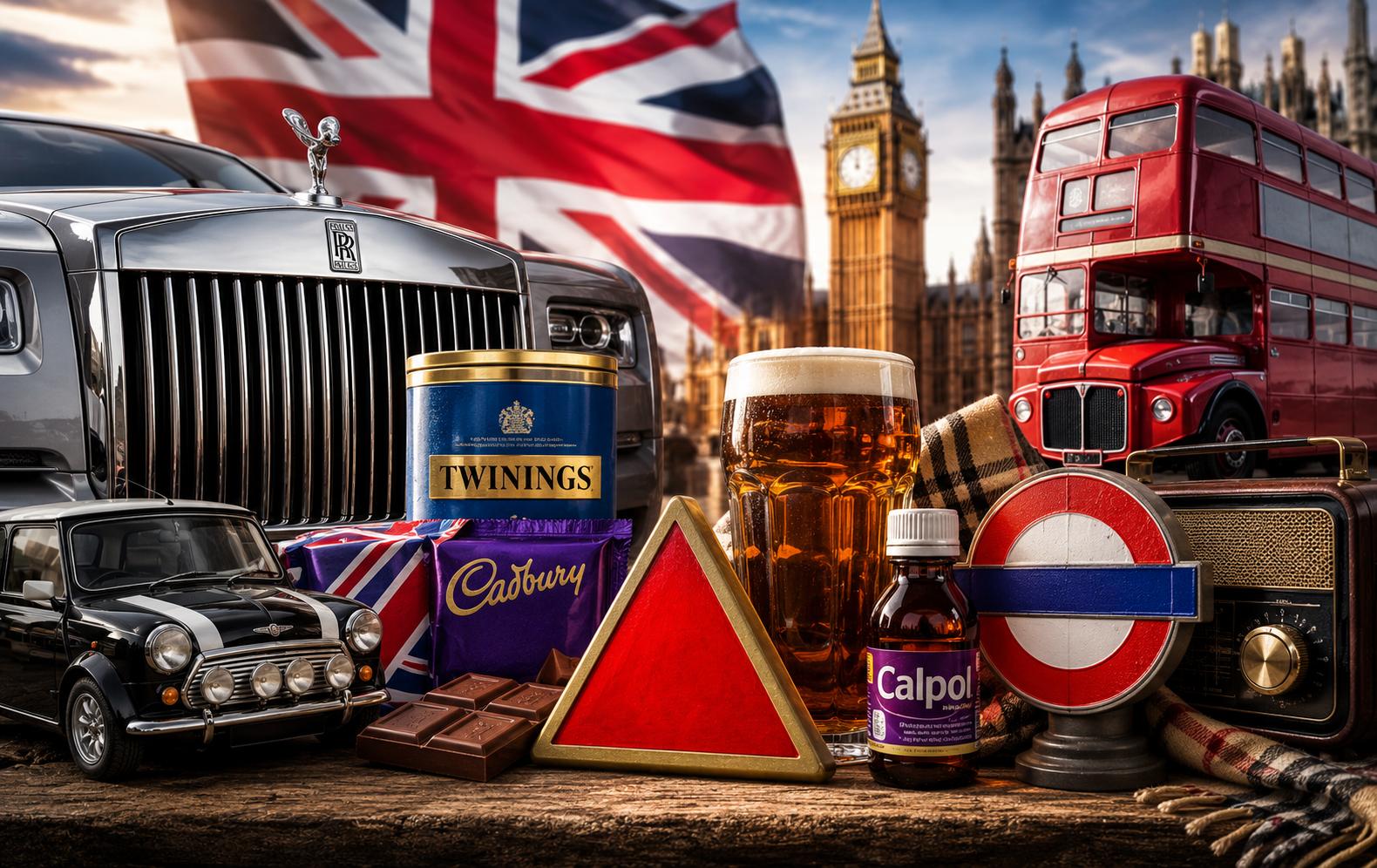
At the top of the list was Rolls-Royce, followed by names including Radio Caroline, Twinings, Cadbury and the iconic Transport for London roundel.
The milestone comes 150 years after Britain officially launched its trade mark registration system in 1876. The very first registered mark was Bass & Co’s famous red triangle logo, which still remains active today.
The British Brands That Defined Generations.
The public vote highlighted how certain brands have moved far beyond products and become cultural symbols tied to memories, family traditions and national identity.
Rolls-Royce secured the top position, with many respondents describing the name as a global symbol of quality and engineering excellence. For over a century, the luxury car maker has represented British craftsmanship, with the phrase “the Rolls-Royce of” still widely used to describe the very best in any industry.
Cadbury also ranked highly, reflecting the emotional connection many Britons have with the chocolate giant. Respondents linked the brand with childhood memories, celebrations and comfort during difficult moments. From Easter eggs and birthday presents to Christmas selection boxes, Cadbury has become deeply associated with British family life.
Twinings earned praise for its remarkable history and consistency. The tea company has operated from the same location on London’s Strand since 1706, long before the trade mark register even existed. Many voters described the logo as a symbol of trust and familiarity passed down through generations.
Radio Caroline’s inclusion surprised some observers but reflected the station’s lasting cultural influence. The pirate broadcaster became famous in the 1960s after broadcasting pop music from the North Sea, helping shape British youth culture and commercial radio.
The Story Behind Britain’s First Trade Mark.
One of the biggest talking points surrounding the anniversary remains the Bass red triangle logo, which became the UK’s first officially registered trade mark on 1 January 1876.
The symbol was created to help customers identify genuine Bass beer at a time when counterfeit products were becoming increasingly common. The trade mark quickly became one of the most recognisable symbols in Victorian Britain and remains protected nearly 150 years later.
The IPO says more than 400 trade marks registered before 1900 are still active today. These include famous names such as Bovril, Kodak, Lyle’s Golden Syrup and Bird’s Custard Powder.
Some historic brands have barely changed at all. Lyle’s Golden Syrup still uses the biblical slogan “Out of the Strong Came Forth Sweetness”, which was first registered in the 1880s.
Others reveal how consumer habits have evolved over time. Trade marks linked to products such as gripe water, liver salts and old medicinal remedies remain on the register despite changing attitudes and lifestyles.
Why Trade Marks Matter More Than Ever.
Trade marks are often viewed simply as logos or names, but experts say they play a much larger role in modern business and consumer trust.
A registered trade mark gives companies legal protection over their brand identity and helps customers identify authentic goods and services. Businesses can renew trade marks indefinitely, allowing famous brands to remain protected for generations.
The IPO says more than 2.5 million trade marks are now protected in the UK, with around 200,000 applications submitted in the past year alone. That figure reflects growing competition among businesses trying to establish recognisable brands in crowded online marketplaces.
Adam Williams, Chief Executive of the IPO, said trade marks remain central to the relationship between businesses and consumers.
He explained that brands help customers recognise quality and reliability while giving businesses confidence to invest in products and innovation.
Experts also believe social media and online shopping have increased the importance of instantly recognisable branding. In a fast moving digital world, logos and names often shape buying decisions within seconds.
From Victorian Labels To Virtual Worlds.
The trade mark system has changed dramatically since the Victorian era. When Britain first introduced registration in 1876, applications were handwritten and focused almost entirely on physical goods.
Today, trade marks cover a huge range of products and services, including digital goods, holograms, motion graphics and even virtual items used in online worlds.
The IPO says modern registrations now include everything from wearable smartphones and humanoid robots to downloadable virtual handbags and AI-powered products.
This evolution reflects how branding itself has transformed. Companies are no longer protecting only physical products but entire digital identities across apps, gaming platforms and online environments.
Trade mark law has also expanded beyond traditional logos and words. Some businesses now protect sounds, animations and multimedia branding as part of their wider intellectual property strategy.
Despite these technological changes, the core purpose of trade marks has remained largely the same for 150 years - helping businesses stand out while giving consumers confidence in what they are buying.
British Brands Continue To Shape Everyday Life.
The IPO’s poll highlighted just how emotionally attached many people remain to familiar British brands.
Whether it is hearing the BBC theme music, spotting the London Underground roundel glowing late at night or reaching for Calpol during a child’s fever, these trade marks often represent reassurance, nostalgia and routine.
Many respondents said iconic brands become part of personal history, tied to childhood memories, family traditions and moments shared across generations.
As Britain’s trade mark register marks its 150th anniversary, the results suggest the country’s most recognised names still carry enormous cultural power in an increasingly digital world.
Which British trade mark do you think deserves to be called the nation’s most iconic brand? Share your favourite UK logos, products and nostalgic memories in the comments below and join the conversation around Britain’s best loved trade marks.
Business News
UK’s Most Iconic Trade Marks Revealed As Historic Register Celebrates 150 Years
Advertisement



Comments (0)
You must be logged in to post comments.
Don't have an account? Register here
No comments yet. Be the first to share your thoughts!