
Beneath the busy streets of Newcastle lies a hidden world that most of the people walking above know nothing about. The Victoria Tunnel is a long, dark passage that runs underground through the city, a relic of the industrial age that has served two very different purposes across its long life. It is one of Newcastle's most fascinating and least expected pieces of heritage, a secret history buried beneath the modern city.
Built for Coal.
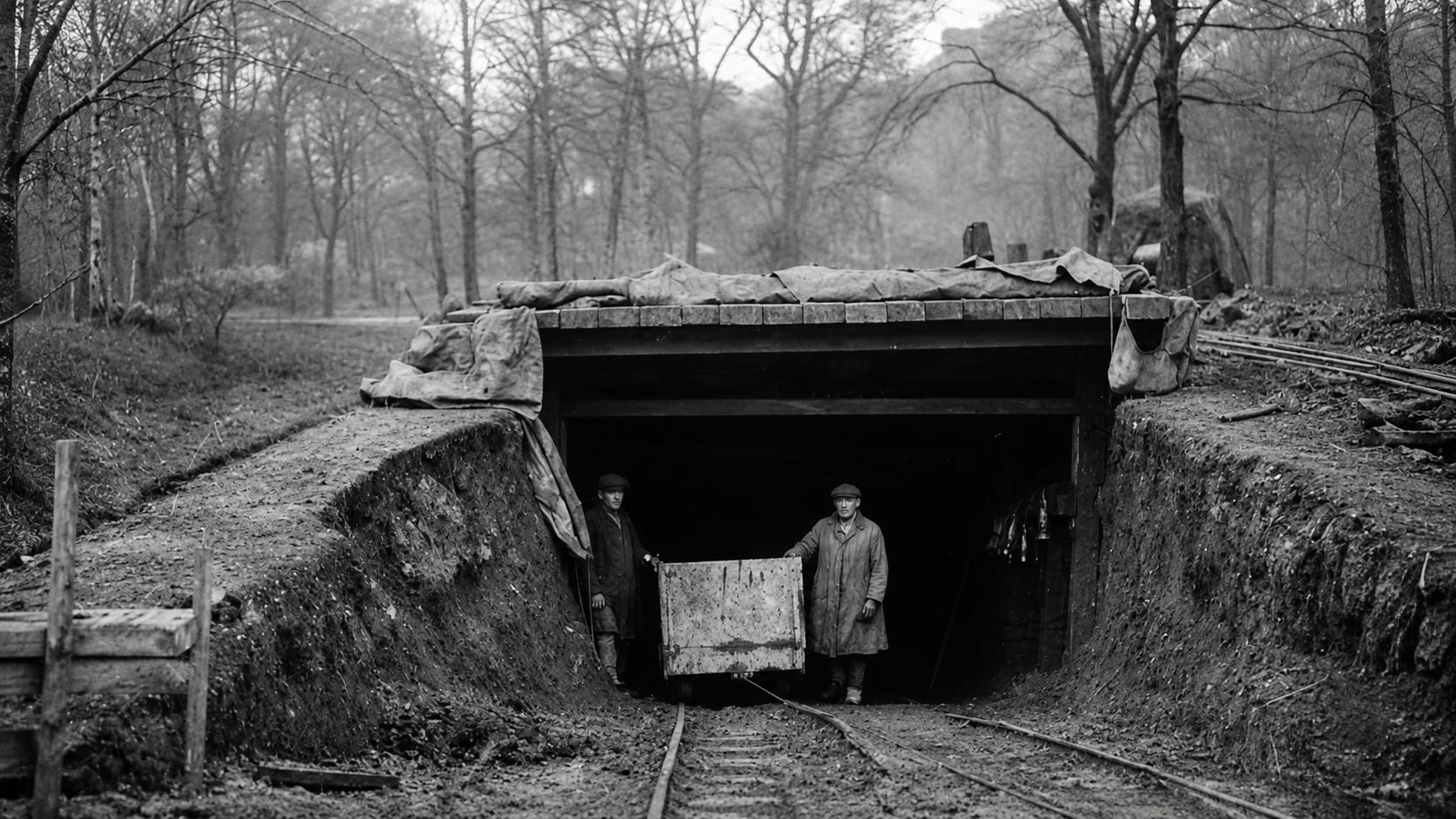
The Victoria Tunnel was constructed in the first half of the nineteenth century, in the great age of coal that powered the North East. Its purpose was to carry coal from a colliery on the higher ground of the city down to the River Tyne, where it could be loaded onto ships for transport. Rather than haul the coal through the crowded streets, the solution was to build a tunnel, a subterranean waggonway along which wagons of coal could run down to the riverside. It was an ingenious piece of industrial engineering, hiding the dirty business of moving coal away beneath the surface of the growing city.
A Subterranean Waggonway.
The tunnel ran for a considerable distance underground, following a gradient that allowed the loaded wagons to descend towards the river. It was a substantial undertaking, lined with brick and driven through the ground beneath the streets and buildings of Newcastle. For a time it served its purpose, carrying the coal that was the lifeblood of the regional economy down to the waiting ships on the Tyne. The tunnel was a product of the same industrial ingenuity that built the wagonways and railways across the region, applied here to the particular challenge of moving coal through a busy urban area.
Falling Silent.
The working life of the tunnel as a coal route did not last indefinitely. As the colliery it served declined and the patterns of industry changed, the tunnel fell out of use for its original purpose. For many years it lay quiet beneath the city, a forgotten relic of the coal age, its existence known to few. The streets and life of Newcastle continued above, while the dark passage waited below, a hidden monument to the industrial activity that had once depended upon it. It might have been forgotten entirely had history not given it a dramatic new role.
A Wartime Refuge.
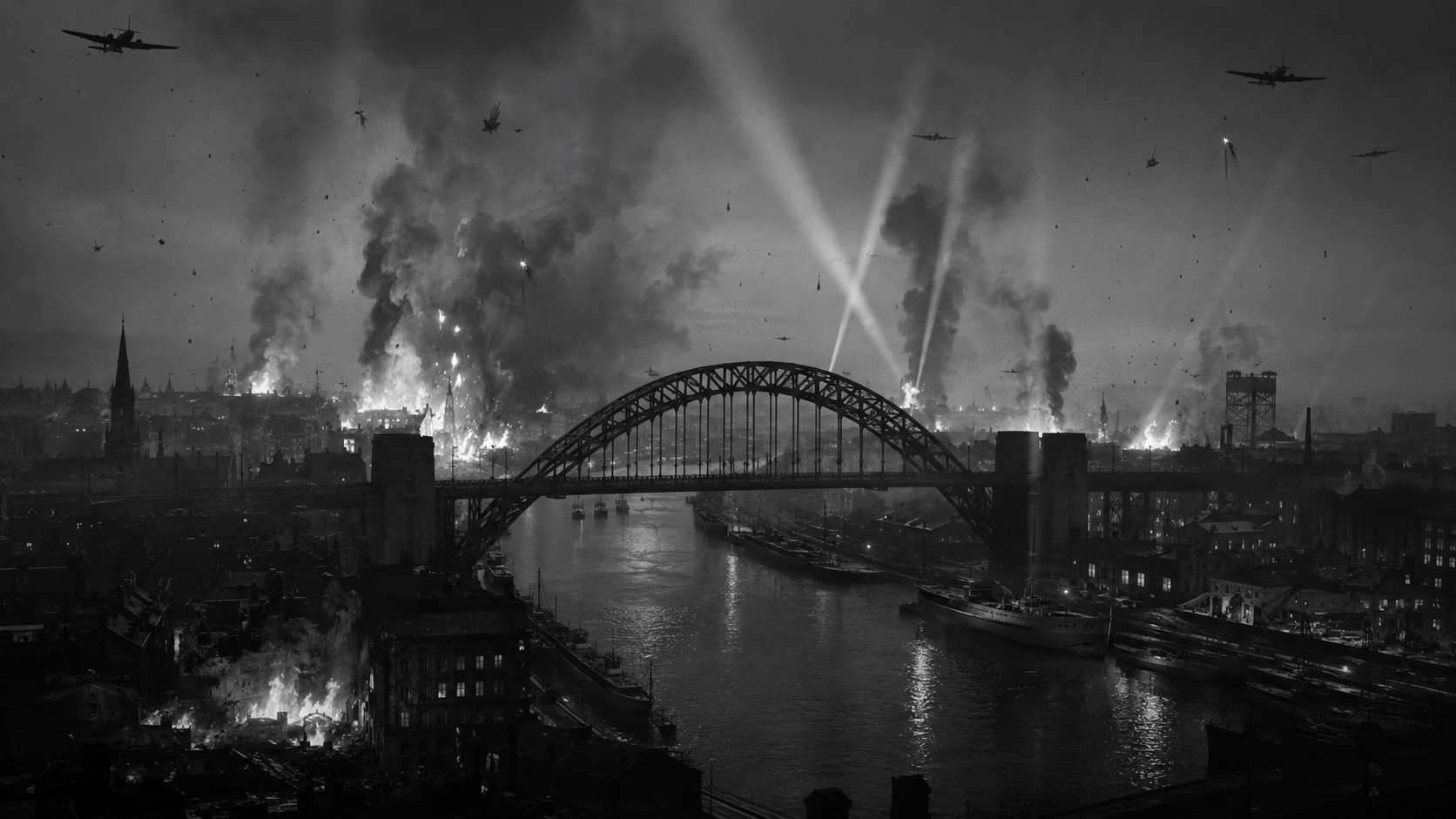
During the Second World War, as the threat of air raids hung over the towns and cities of Britain, the Victoria Tunnel found an unexpected new purpose. Its position deep beneath the streets made it an ideal air-raid shelter, a place where the people of Newcastle could take refuge from the bombs. The tunnel was adapted for this use, fitted out to shelter large numbers of people during the dangerous nights of the war. Families gathered underground in the safety of the old coal tunnel, and it became a place of refuge in the city's hour of need, adding a poignant human chapter to its story.
A Glimpse of the Past.
The Victoria Tunnel offers a remarkable window onto two important periods of the region's history. As an industrial waggonway, it speaks of the age of coal that built the North East and of the engineering ingenuity that supported it. As a wartime shelter, it tells of the experiences of ordinary people during the dangers of the Second World War. Few places capture so directly the link between the industrial past and the human stories of the twentieth century, and the tunnel preserves both within its dark brick walls beneath the modern city.
Preserved and Explored.
In recent times the Victoria Tunnel has been preserved as a heritage attraction, allowing visitors to descend beneath the streets and experience its atmospheric depths for themselves. Guided tours take people into the tunnel to learn about its history, both as a coal route and as an air-raid shelter, and to imagine the lives of those who used it. The experience of walking through the dark, echoing passage is a memorable one, bringing the history of the tunnel vividly to life and connecting visitors directly to the city's hidden past.
A Hidden Heritage.
The Victoria Tunnel is one of Newcastle's most intriguing pieces of heritage, a hidden survival from the industrial age that found new meaning in wartime and now shares its story with new generations. It is a reminder that the history of a city is not only to be found in its grand buildings and famous landmarks but also in the unexpected places beneath the surface. For those willing to venture underground, the tunnel offers a fascinating journey into the layered past of Newcastle, a secret world preserved beneath the everyday life of the streets above.
Layers of History Beneath the City.
The Victoria Tunnel is a powerful reminder that beneath the surface of any old city lie hidden layers of history, traces of the lives and labours of those who came before. The tunnel connects two very different eras, the industrial age that built it and the wartime years that gave it new purpose, and in doing so it tells a story that spans more than a century of the region's past.
Walking through its dark length, visitors can sense the presence of the men who once guided wagons of coal down to the river, and of the families who later sheltered there from the dangers of the sky. Few experiences bring history so close as descending into such a place, away from the modern world above and into a space shaped by the needs and fears of earlier generations.
The preservation of the tunnel as a heritage attraction ensures that these stories are not lost, and that the hidden history beneath the streets is shared with those who come after. It is a place that rewards curiosity, offering a direct and atmospheric encounter with the past that no book or screen can quite match.
#The Victoria Tunnel stands as a monument to the layered history of Newcastle, a hidden survival from older times that continues to fascinate and to teach, reminding us that the story of a city runs deep beneath its everyday surface.
Have your say.
Have you ever taken a tour of the Victoria Tunnel?
Newcastle History
The Victoria Tunnel: Newcastle's Hidden Underground Secret
The hidden history of the Victoria Tunnel, a Newcastle waggonway built to carry coal to the Tyne that later served as a wartime air-raid shelter.
Advertisement


Comments (0)
You must be logged in to post comments.
Don't have an account? Register here
No comments yet. Be the first to share your thoughts!