
Most pet owners think of the yearly vet visit as the booster appointment. The injection takes seconds; the examination around it is where most of the value sits.
A routine consultation is a full physical assessment carried out by someone who sees thousands of animals a year and can spot changes an owner living with the animal daily will miss.
Here is what actually happens and how to make the appointment count.
The examination is systematic.
A vet works through the animal in a consistent order rather than randomly.
Weight is recorded and compared against previous visits, since gradual loss or gain is one of the most useful early indicators of illness. Body condition is scored by feel rather than by the scales alone.
Eyes, ears and nose are checked for discharge, inflammation or changes in the lens. The mouth is examined for dental disease, which is extremely common and frequently unnoticed by owners.
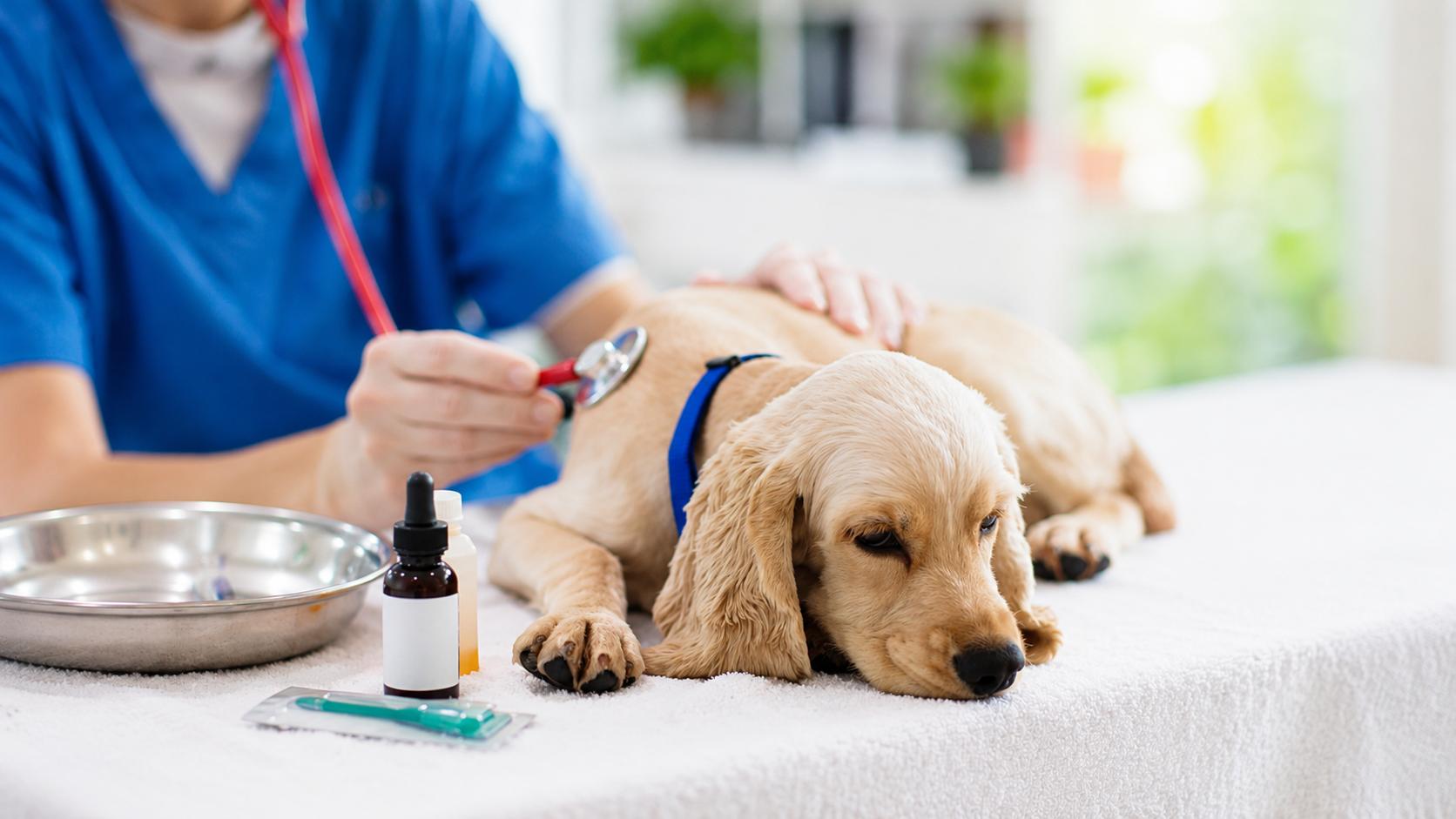
The chest is listened to with a stethoscope, assessing heart rate and rhythm, listening for murmurs and checking lung sounds. Heart murmurs are frequently first detected at routine appointments in animals showing no symptoms at all.
The abdomen is palpated to assess organ size and check for masses or discomfort. Lymph nodes are felt. Joints are flexed and the animal watched for signs of pain or restriction. Skin and coat are examined, and the vet will usually check for fleas while doing so.
Vaccinations follow a schedule.
Dogs are typically vaccinated against distemper, infectious canine hepatitis, parvovirus and leptospirosis, with kennel cough given separately, usually as a nasal or oral vaccine, and commonly required by boarding kennels and some daycare providers.
Cats are typically vaccinated against feline panleukopenia, feline herpesvirus and feline calicivirus, with feline leukaemia virus recommended for cats with outdoor access.
Not every vaccine requires annual boosting. Different components have different durations of immunity, which is why the yearly appointment may not involve every vaccine every time.
Rabbits require their own vaccinations, covering myxomatosis and rabbit haemorrhagic disease, and these are genuinely important for rabbits kept outdoors.
Puppies and kittens follow a primary course of two or more injections before immunity is established, and they should not mix with unvaccinated animals or use public spaces until the vet confirms cover.
Parasite treatment is usually discussed.
Flea, tick and worming treatment is reviewed at the same appointment, and the vet will tailor advice to the animal's lifestyle.
An indoor cat that never hunts has different requirements from a farm dog in Northumberland or a dog regularly swimming and eating slugs from the garden.
Prescription products are frequently more effective than those sold in supermarkets and pet shops, and the vet can explain what the animal actually needs rather than what is most heavily advertised.
Bring information with you.
Consultations are short, typically ten to fifteen minutes, so preparation makes a substantial difference.
Note anything you have observed since the last visit: changes in drinking, appetite, toileting, energy, breathing, coat, lumps, stiffness, or behaviour. Owners frequently remember these on the way home rather than in the room.
Video is enormously useful. A limp, a cough, a seizure or an odd behaviour rarely performs on demand in a consulting room, and a phone video lets the vet see it directly.
Write down your questions beforehand and ask them at the start rather than the end.
Senior pets need more frequent attention.
Dogs and cats are generally considered senior from around seven years, earlier for giant breeds.
Many practices recommend six-monthly checks for older animals, and blood and urine testing to screen for kidney disease, thyroid problems, diabetes and liver changes, all of which are common and considerably more manageable when caught early.
Kidney disease in older cats in particular frequently shows no obvious signs until substantially advanced, which is the argument for screening.
Health plans spread the cost.
Most practices offer monthly health plans covering vaccinations, routine parasite treatment and health checks, sometimes with discounts on other services.
These are not insurance and do not cover illness or injury. They spread the cost of predictable preventive care, and for most owners they work out cheaper than paying for each item separately.
Check what is included before signing up, particularly whether the parasite products supplied match what your animal actually needs.
Help is available if money is tight.
Veterinary costs have risen substantially, and the sector has been the subject of a competition review examining pricing and transparency, so it is worth asking about costs before treatment rather than after.
PDSA operates pet hospitals providing treatment to eligible owners, with eligibility based on receiving certain benefits and living within a qualifying postcode area. The RSPCA and Blue Cross also operate assistance schemes in some areas.
Many practices will discuss payment plans. Asking early is considerably better than delaying treatment.
Registering locally.
Newcastle and the surrounding area are well served by veterinary practices, including independent surgeries and larger group-owned ones.
It is worth registering before you need to, and worth knowing what your practice's out-of-hours arrangement is, since emergency provision is frequently handled by a separate dedicated service at a different location.
Store that emergency number in your phone now rather than looking for it at eleven at night.
Share your thoughts.
When was your pet last given a full health check rather than just a booster?
Lifestyle News
What a Routine Vet Checkup Actually Covers
The annual booster appointment is doing considerably more than injecting a vaccine, and knowing what the vet is checking helps you use the time well.
Advertisement





Comments (0)
You must be logged in to post comments.
Don't have an account? Register here
No comments yet. Be the first to share your thoughts!