
Walk through Newcastle city centre today and you'll still find many familiar household names, but it's impossible to ignore the growing number of empty shop units and the steady stream of announcements about national retailers closing stores across the UK.
From fashion brands and homeware retailers to betting shops and banks, many well-known chains have reduced their physical presence in recent years. While some businesses continue to invest in flagship locations, others are shrinking their estates or leaving the high street altogether.
For shoppers across Newcastle and the wider North East, it raises an important question. Why are so many national chains disappearing, and what does it mean for the future of our town and city centres?
The retail landscape has changed dramatically.
The biggest reason is simple. Consumer habits have evolved.
Online shopping now accounts for around one in every four pounds spent in UK retail, according to the Office for National Statistics. Many shoppers browse products online, compare prices instantly and expect fast home delivery, making it harder for traditional stores to justify large property portfolios.
Retailers are also facing significantly higher operating costs. Rising wages, increased employer costs, energy prices and business rates have all placed additional pressure on physical stores, particularly those with hundreds of locations nationwide.
Recent examples continue to emerge. Betting company Betfred recently announced plans to close 132 shops, citing higher operating costs and economic pressures as key reasons behind the decision.
Newcastle is feeling the impact.
Although Newcastle remains one of the North East's strongest shopping destinations, it has not escaped national retail trends.
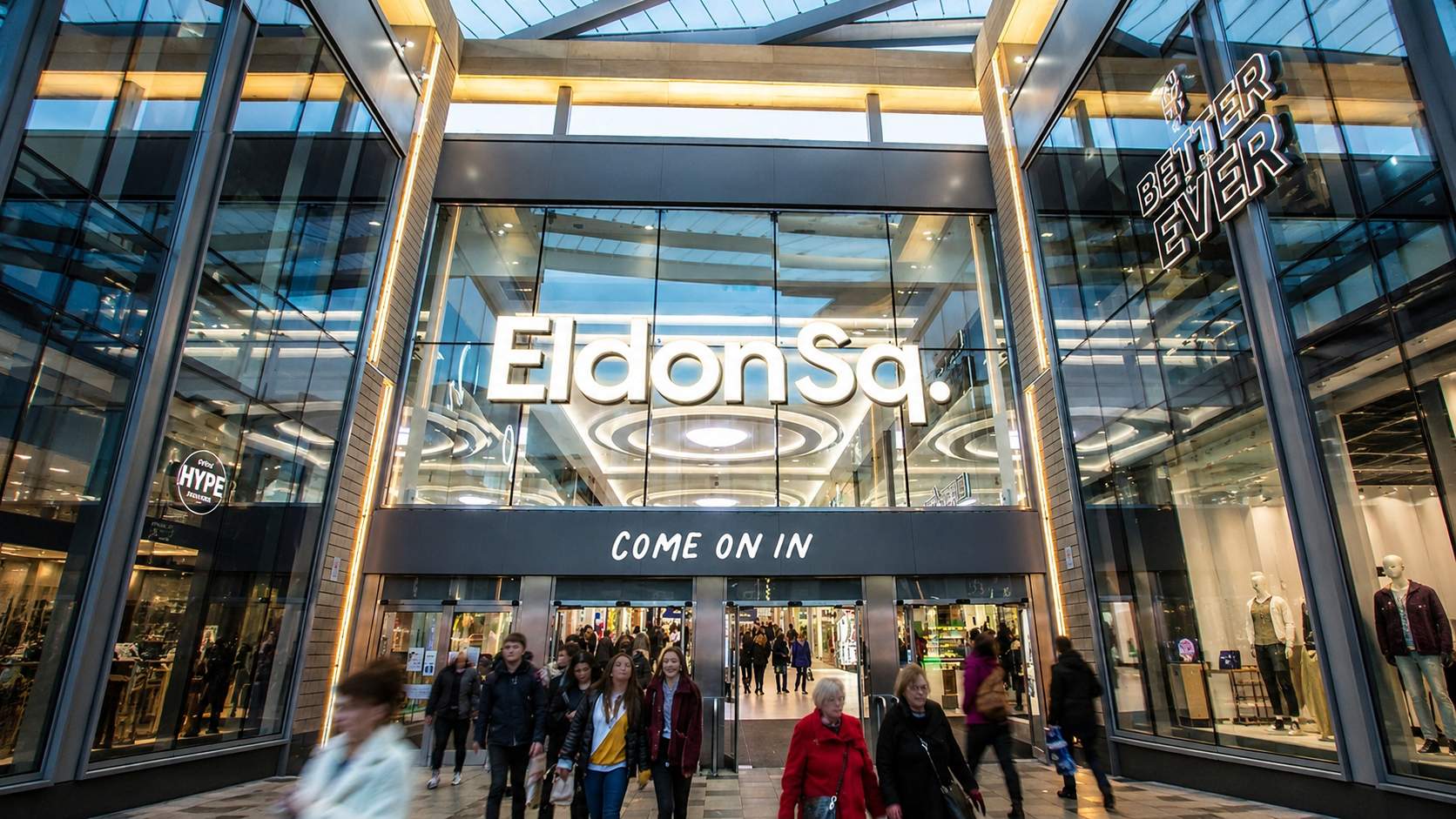
Northumberland Street continues to attract major brands, while Eldon Square remains one of the region's busiest shopping centres. However, vacant units occasionally appear as retailers restructure, and several national chains have chosen to reduce store numbers across Britain rather than expand.
This does not necessarily mean Newcastle is declining. In many cases, companies are concentrating investment into fewer, larger stores while improving their online services.
The Office for National Statistics has also highlighted the changing role of Britain's high streets, with employment patterns, land use and residential development evolving alongside retail activity. High streets are becoming mixed-use destinations rather than places focused solely on shopping.
Empty shops do not always tell the whole story.
It is easy to assume every vacant shop represents a failing high street, but the picture is more complicated.
Property experts report that national vacancy rates have gradually improved since their post-pandemic peak. Knight Frank estimates the UK high street vacancy rate stood at approximately 13.5 percent during 2025, with further improvements expected as new businesses occupy available units.
Some vacant premises are also awaiting redevelopment, while others are being converted into restaurants, leisure venues, apartments or flexible workspaces.
Across Britain, roughly one in ten shopfronts remains vacant, although this varies considerably between locations.
Independent businesses are filling some of the gaps.
One noticeable trend across Newcastle and the North East is the growing presence of independent retailers.
Coffee shops, artisan bakeries, specialist food stores, record shops and locally owned boutiques are helping bring character back to many shopping streets. While independent businesses face the same economic challenges as national chains, they often succeed by offering products, experiences and customer service that cannot easily be replicated online.
Many consumers are also becoming more conscious about supporting local businesses, recognising that spending money with independent retailers often keeps more wealth within the local economy.
Rather than replacing every departing chain with another national brand, some communities are embracing a more diverse retail mix.
What does the future of the high street look like.
The traditional high street is unlikely to disappear, but it will almost certainly continue to evolve.
Experts increasingly believe successful shopping destinations will combine retail with entertainment, hospitality, health services, offices and residential developments. People are visiting city centres for experiences rather than simply to buy products that can be delivered the next day.
Newcastle already offers many of these attractions through its restaurants, theatres, sporting venues, universities and cultural destinations, giving the city advantages that many smaller towns cannot easily replicate.
The challenge will be ensuring that shopping districts continue adapting to changing consumer expectations while remaining attractive places to visit.
A changing high street rather than a disappearing one.
National chains leaving the high street may seem like bad news at first glance, but the reality is more nuanced. Some businesses are closing because of rising costs, others because customer habits have changed, while many are investing in fewer but stronger locations.
For Newcastle and the North East, the future may depend less on attracting every national retailer and more on creating vibrant destinations where independent businesses, leisure venues and larger brands can thrive together. The high street is changing, but that does not necessarily mean it is disappearing.
Share your experiences.
Have you noticed more national chains leaving your local high street?
Local News
Why Are National Chains Leaving the High Street?
Advertisement




Comments (0)
You must be logged in to post comments.
Don't have an account? Register here
No comments yet. Be the first to share your thoughts!