
Across the North East, businesses of all sizes are increasingly turning to automation as they look for ways to improve efficiency, reduce operating costs and remain competitive in a challenging economic climate.
From manufacturers introducing robotic systems on factory floors to small businesses using automated customer service tools, automation is no longer viewed as technology reserved for global corporations. Instead, it is becoming part of everyday business strategy throughout Newcastle, Sunderland, Durham and the wider region.
Industry experts say rising costs, recruitment challenges and growing customer expectations are all driving the shift, with many companies now viewing automation as essential rather than optional.
Rising Costs Are Pushing Businesses Towards Automation.
One of the biggest reasons North East businesses are investing in automation is the continued pressure from rising operational costs. Energy bills, wages, supply chain expenses and inflation have all placed strain on businesses across multiple sectors over the past few years.
For many companies, automation offers an opportunity to streamline repetitive processes and reduce unnecessary spending. Tasks such as invoicing, appointment booking, inventory management and customer communication can now be partially automated using affordable digital systems.
Business owners say the goal is not necessarily to replace staff, but to free employees from time-consuming manual tasks so they can focus on higher-value work.
This has become especially important for smaller firms that may not have the budget to rapidly expand their workforce.
Manufacturing Remains A Major Driver Of Automation Growth.
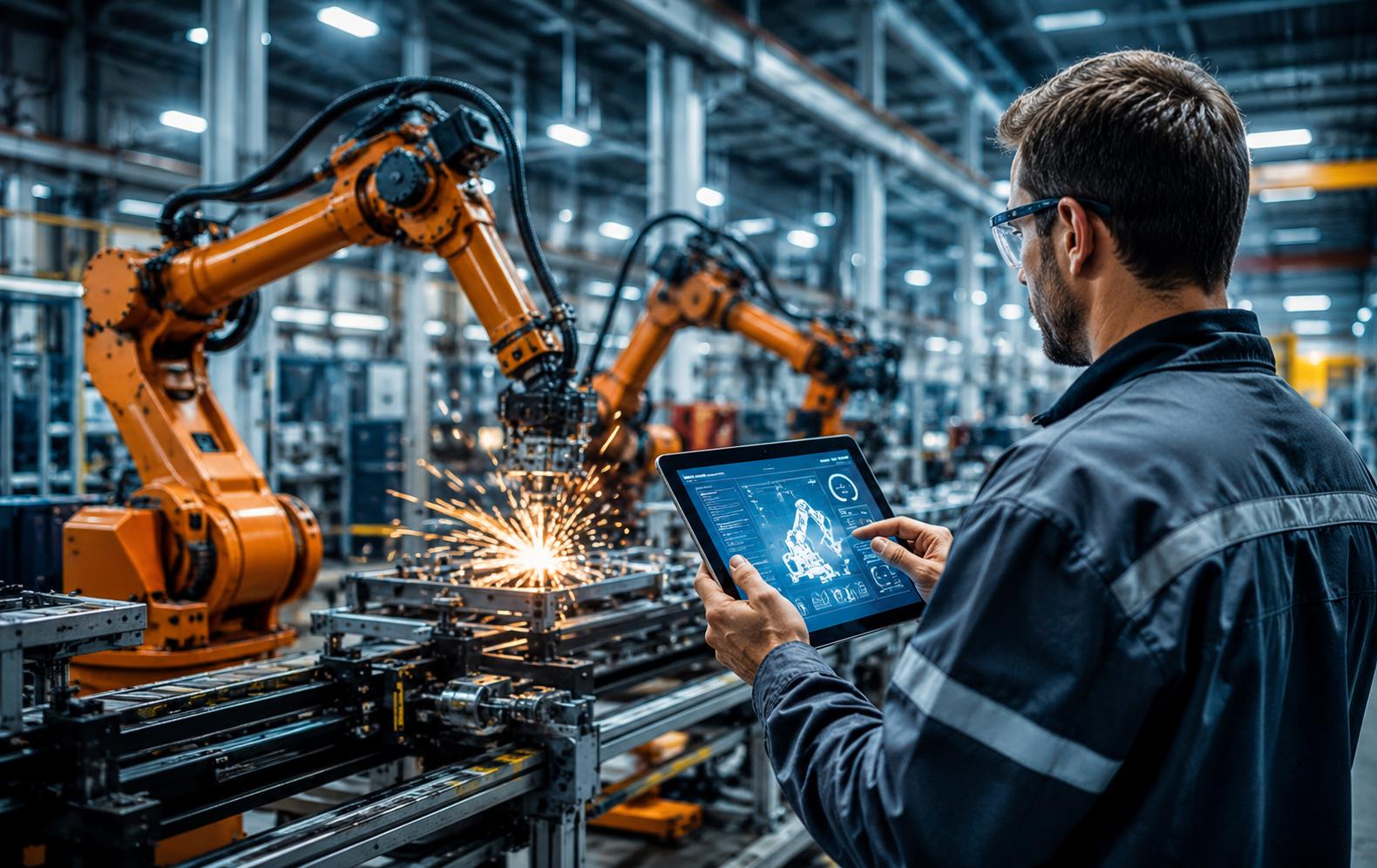
The North East has a long industrial history, and manufacturing businesses remain among the biggest investors in automation technology.
Factories across the region are increasingly adopting robotic systems, smart production tools and AI-driven monitoring software to improve productivity and reduce downtime.
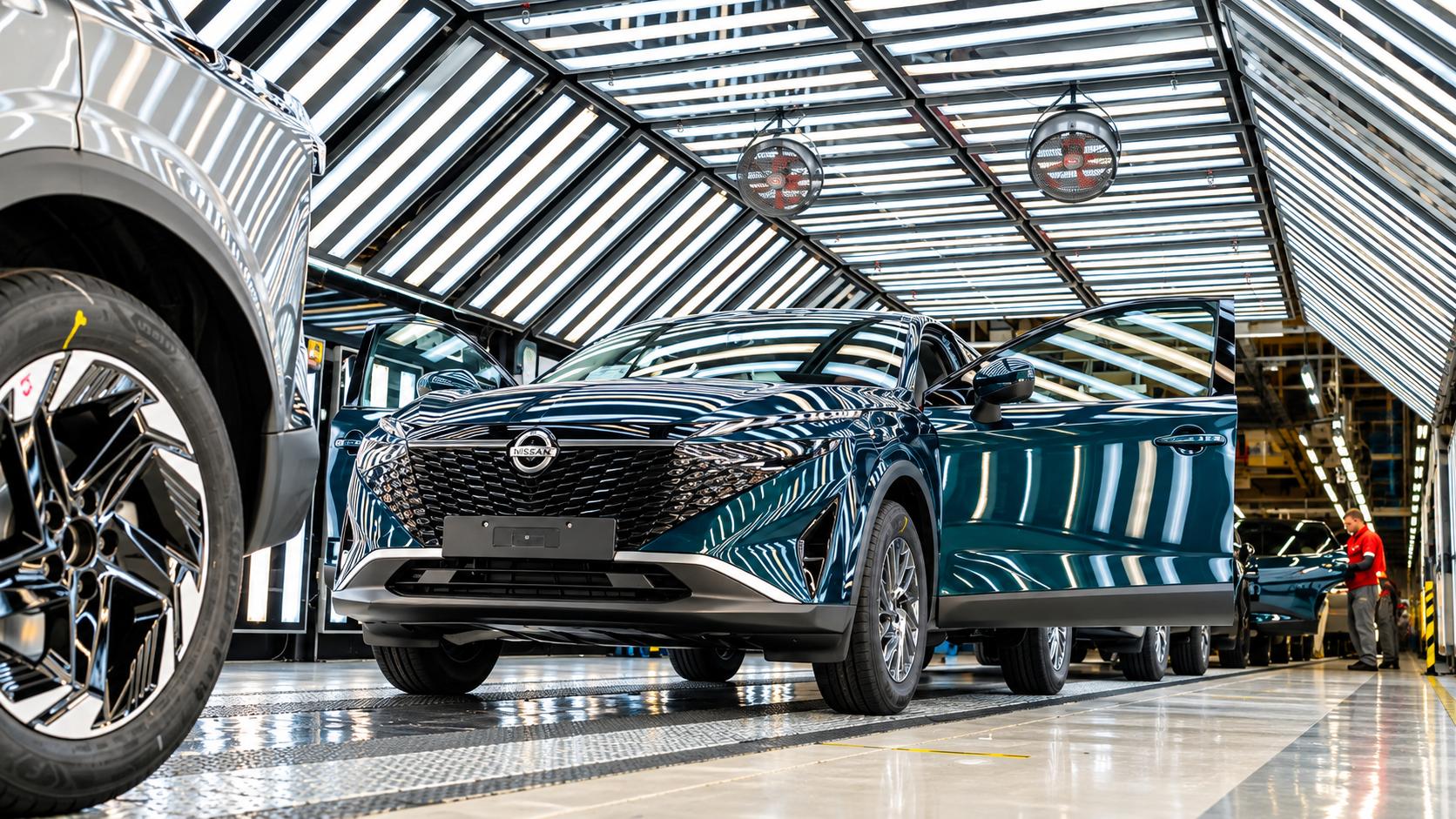
In sectors such as automotive production, engineering and logistics, automation is helping businesses maintain output levels while coping with labour shortages and rising global competition.
Companies involved in advanced manufacturing are also under pressure to modernise in order to secure future investment and contracts. Businesses that fail to embrace newer technology risk falling behind competitors that can produce goods faster and more efficiently.
Industry analysts believe automation will continue to play a central role in the future of North East manufacturing.
Small Businesses Are Also Embracing Digital Tools.
While large companies often attract attention for major technology investments, smaller businesses across the North East are also rapidly adopting automation.
Many independent firms now use automated email marketing, online booking systems, AI-powered chat support and accounting software to improve day-to-day operations.
For local businesses with limited staff, these tools can make a significant difference. Automated systems often allow companies to respond to customer enquiries more quickly, reduce administrative workload and improve overall customer experience.
Restaurants, salons, retail stores and service providers are among the sectors increasingly using automation to manage bookings, payments and customer communication more efficiently.
The accessibility of cloud-based software has also made automation far more affordable than it was a decade ago.
Recruitment Challenges Are Changing Business Priorities.
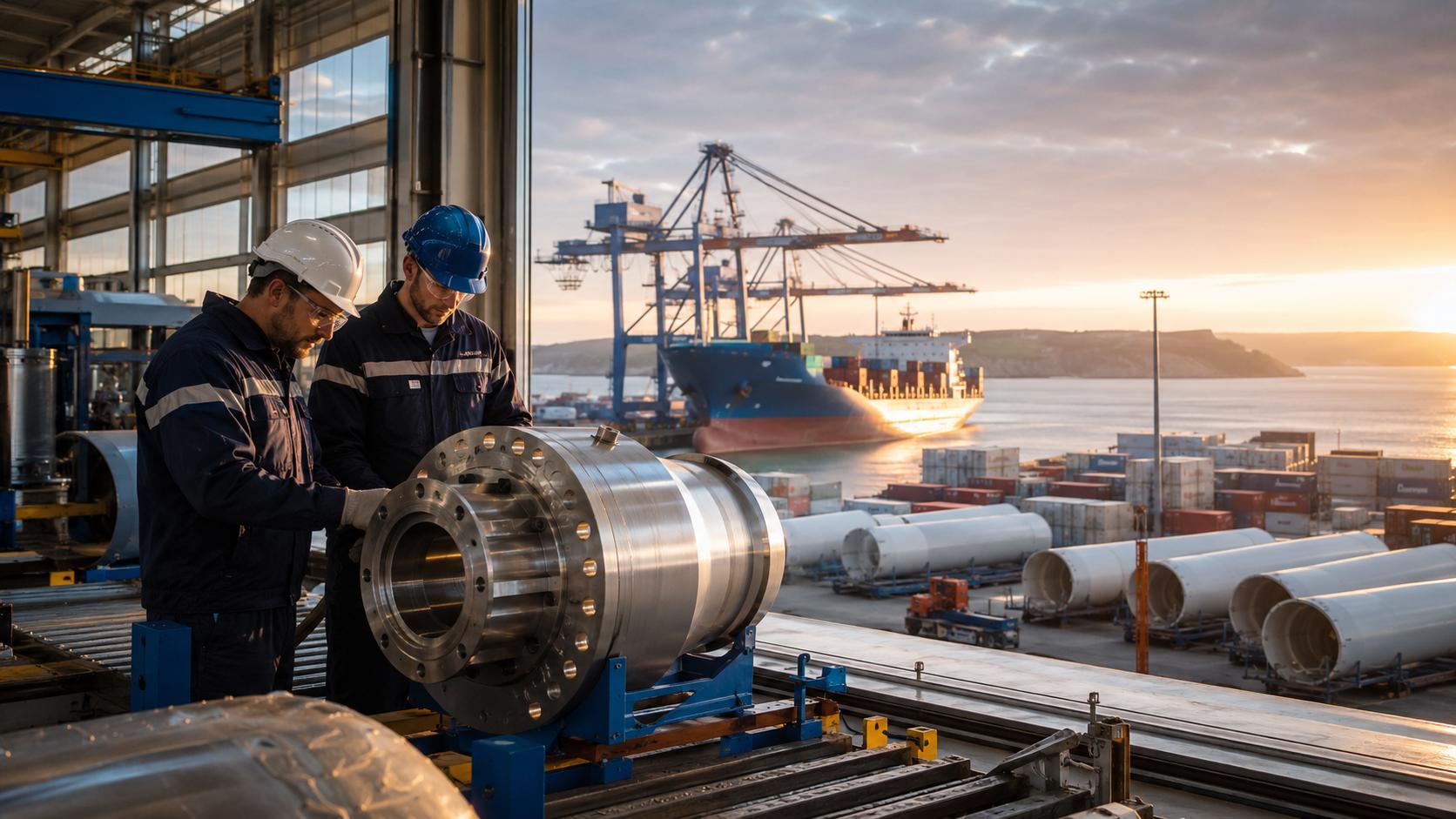
Labour shortages in several industries have forced businesses to rethink how they operate. Across the North East, companies have reported difficulties recruiting staff for certain roles, particularly in logistics, hospitality, customer service and manufacturing.
Automation is helping some businesses fill operational gaps without placing additional pressure on existing employees.
Rather than depending entirely on manual processes, companies are using technology to handle repetitive tasks around the clock. This can include automated warehouse systems, digital scheduling tools and AI-assisted customer support platforms.
Many business owners now see automation as part of a long-term strategy to improve resilience during uncertain economic conditions.
Artificial Intelligence Is Accelerating The Trend.
The rapid growth of artificial intelligence has also increased interest in automation across the North East business community.
AI-powered tools can now generate reports, analyse customer behaviour, improve marketing campaigns and assist with data management far more quickly than traditional manual methods.
Businesses that once viewed AI as futuristic are now exploring practical ways to integrate it into daily operations.
Marketing agencies are using AI tools to improve content production, while retailers are analysing customer trends more effectively through automated data systems. Professional service firms are also adopting AI software to simplify scheduling, administration and client communication.
The speed at which AI technology is evolving has created both excitement and pressure for businesses eager to remain competitive.
Concerns About Automation Still Remain.
Despite the growing enthusiasm around automation, concerns continue to exist among workers and some business groups.
One of the biggest fears is the possibility of job displacement, particularly in industries where repetitive tasks can be heavily automated. However, many business leaders argue the technology is more likely to change jobs than eliminate them entirely.
There are also concerns around implementation costs, cybersecurity and employee training. Smaller businesses without dedicated technology teams may struggle to adopt advanced systems effectively without external support.
Experts say successful automation depends on balancing technology with human skills rather than relying entirely on digital solutions.
Why The North East Is Well Positioned For Future Growth.
The North East’s strong manufacturing base, growing technology sector and expanding university partnerships place the region in a strong position to benefit from the automation boom.
Newcastle and Sunderland have already seen increased investment in digital innovation, while local business organisations continue encouraging firms to modernise operations through technology grants and support programmes.
As automation tools become more accessible and affordable, experts expect adoption rates to rise further across nearly every industry.
For many businesses, automation is no longer simply about reducing costs. It is increasingly viewed as a way to improve customer service, strengthen long-term growth and prepare for a more digitally driven future.
Do you think automation is helping North East businesses grow, or are there concerns about how quickly technology is changing the workplace? Share your thoughts in the comments below and join the conversation.
Know a business owner exploring automation or AI tools? Share this article with them and discover why more North East companies are investing in digital transformation for the future.
Business News
Why More North East Businesses Are Investing In Automation
Advertisement



Comments (0)
You must be logged in to post comments.
Don't have an account? Register here
No comments yet. Be the first to share your thoughts!