
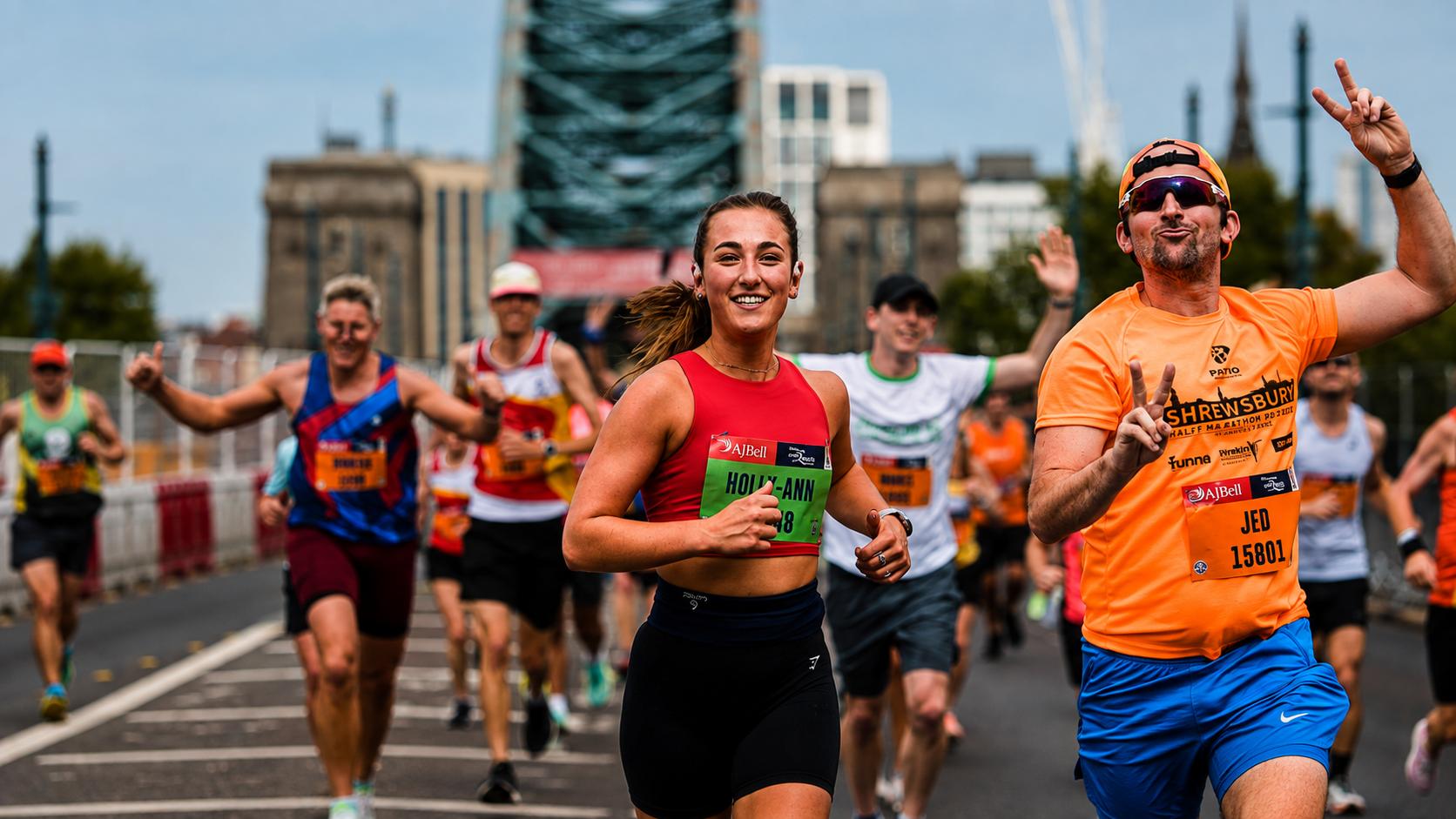
In exactly one month from today, on September 13th, 2026, the roads leading out of Newcastle will fill with an unusual sight: tens of thousands of runners, ranging from elite athletes to first-time charity fundraisers in fancy dress, all setting off together on one of the most famous routes in distance running. The Great North Run has grown into the largest half marathon on the planet, and it remains a defining fixture of the North East sporting calendar.
The event was founded in 1981 by former Olympic athlete Brendan Foster, who wanted to create a genuinely mass-participation road race capable of bringing elite and amateur runners together on the same course. That original vision has held remarkably firm across more than four decades, with the race still combining a serious elite field alongside tens of thousands of everyday participants.
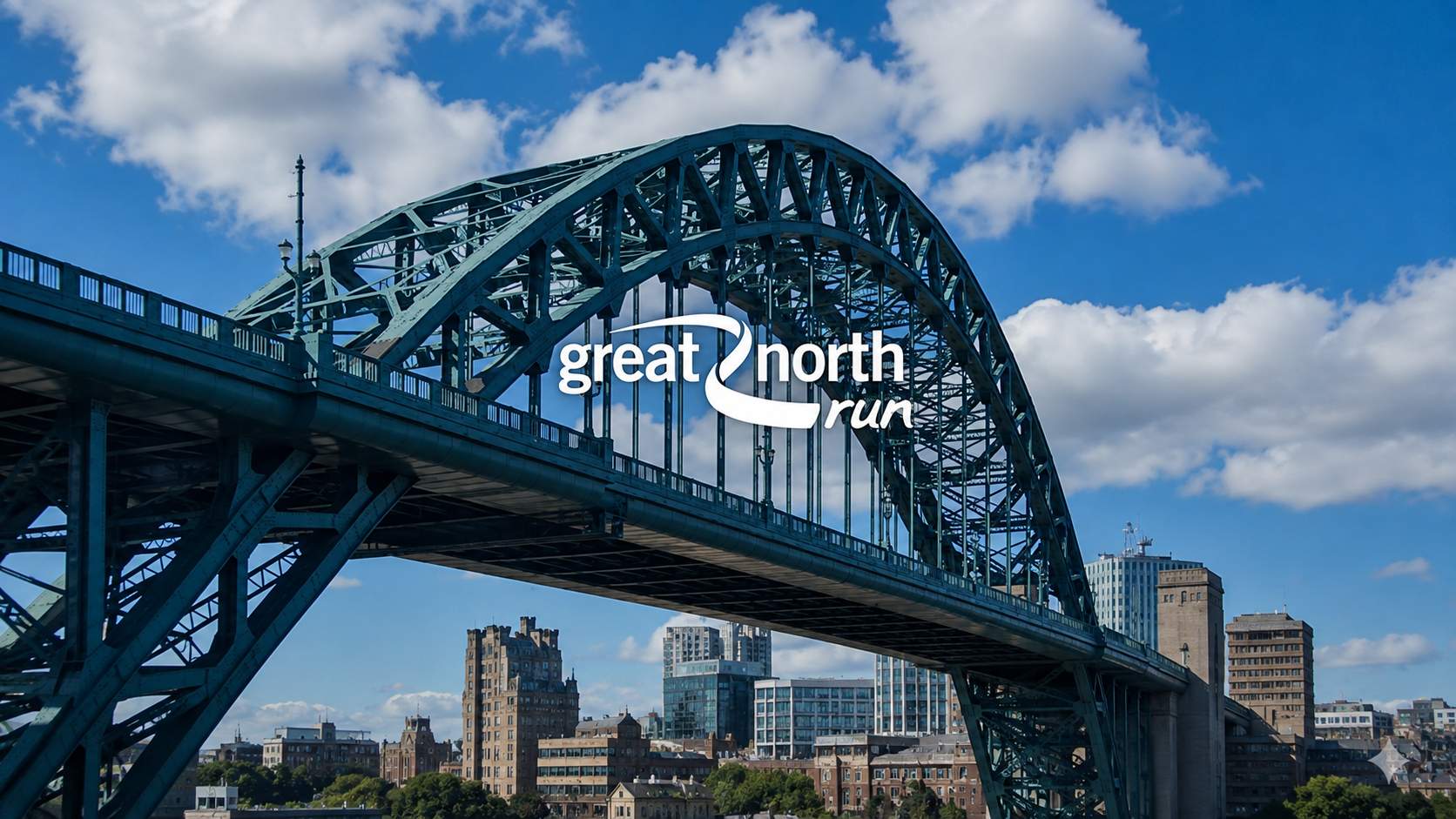
The route itself, running from Newcastle city centre out to the coast at South Shields, has become as much a part of the event's identity as the running itself, taking in the iconic Tyne Bridge early in the course before winding through the wider region toward the finish line by the sea. For many runners, crossing that bridge alongside thousands of others remains one of the most memorable moments of the entire event.
Charity fundraising has become deeply embedded in the race's culture, with a huge proportion of participants running not for competitive times but to raise money for causes close to them, often wearing names or photographs of loved ones as they make their way around the course. That combination of serious athletic competition and deeply personal motivation gives the event an atmosphere distinct from almost any other major road race.
Local support along the route has become legendary in its own right, with residents setting up impromptu water stations, music and encouragement outside their homes for hours on end, turning much of the course into an extended community celebration rather than simply a backdrop for a sporting event. For many along the route, supporting runners on the day has become its own annual tradition.
Elite athletes have long used the race as a genuine competitive fixture too, with the event regularly attracting some of the world's leading distance runners to its start line, ensuring that alongside the mass-participation spectacle there remains a serious, closely watched competitive race at the front of the field each year.
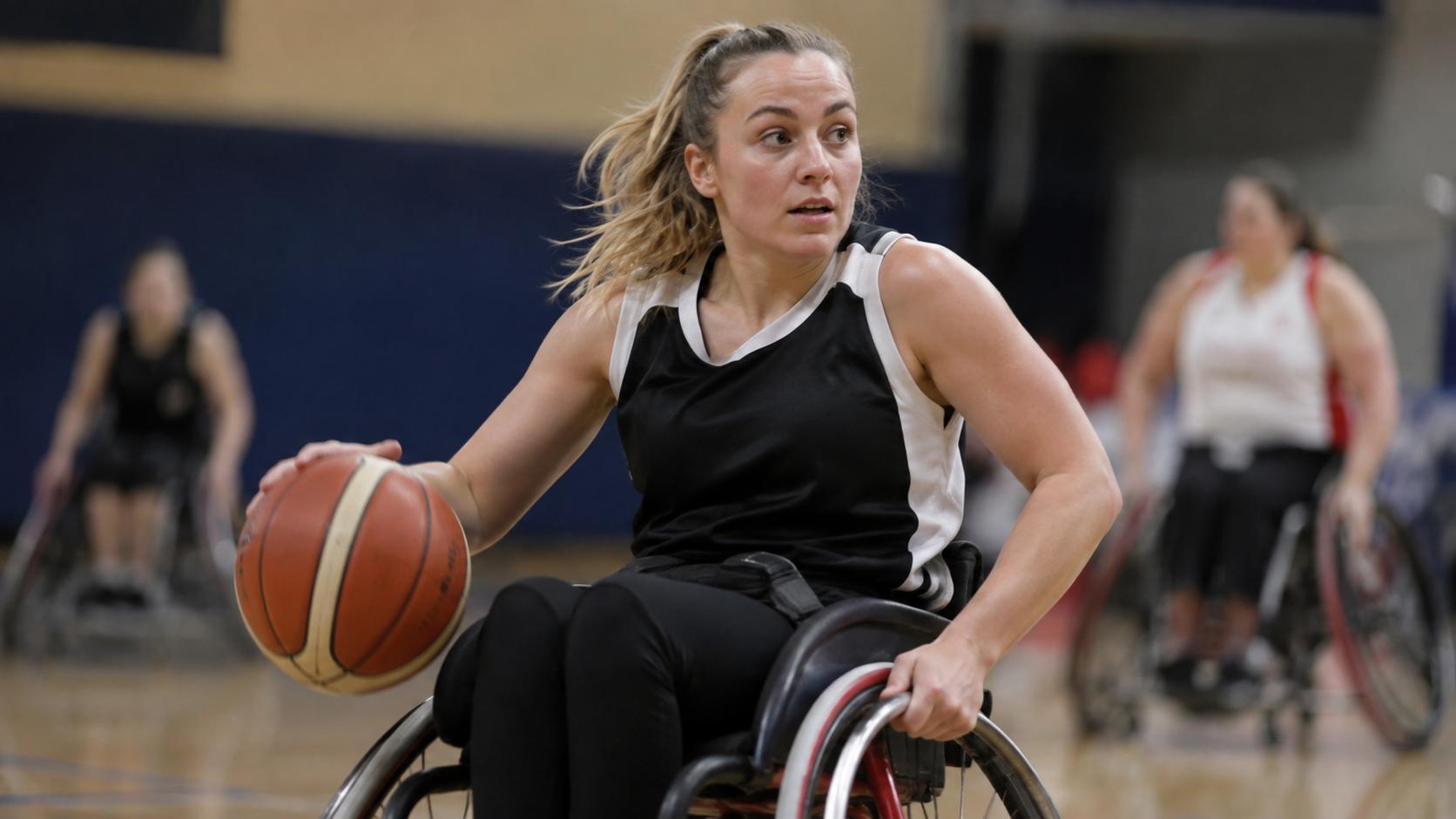
Wheelchair racing and other adapted categories have long formed part of the event too, with the race widely credited among competitors for treating disability sport as a genuinely integrated part of the wider occasion rather than a separate, secondary event tacked onto the main race schedule.
Media coverage of the run has grown alongside the event itself, with televised highlights bringing the atmosphere of the course into homes across the country every year, introducing the race, and the wider region it passes through, to an audience who may never have visited the North East themselves.
First-time participants often describe training for the event as a genuinely transformative personal experience in its own right, with the race routinely cited as a common motivator for people taking up running for the first time in adulthood, well beyond the North East audience the event was originally built around.
More than four decades after it was first run, the Great North Run remains one of the clearest examples anywhere in world sport of a single event managing to be both a serious athletic competition and a genuinely joyful, community-wide occasion at the very same time.
Share your comments below.
Have you ever run the Great North Run yourself?
Sports News
Why the Great North Run Remains the World's Biggest Half Marathon
Since 1981, tens of thousands of runners have taken on the route from Newcastle to South Shields, turning the Great North Run into a genuine North East institution.
Advertisement

Comments (0)
You must be logged in to post comments.
Don't have an account? Register here
No comments yet. Be the first to share your thoughts!