
Heritage hobbies are traditional pastimes that preserve skills, crafts and cultural practices passed down through generations. From woodworking and knitting to heritage railway volunteering and genealogy, these activities connect people with local history while offering a creative escape from modern life.
Across Newcastle and the wider North East, interest in heritage hobbies has grown steadily over the past decade. Many people are looking for meaningful ways to spend their free time away from screens, while others want to learn practical skills that were once common in homes and workplaces throughout the region. As a result, heritage centres, museums and community groups are welcoming new members of all ages.
Although many traditional hobbies have existed for centuries, their recent revival accelerated during and after the Covid-19 pandemic, when millions of people rediscovered crafting, home improvement projects and family history research. Since then, participation has remained strong as people continue searching for rewarding offline activities.
Why the North East has such strong heritage connections.
The North East has a rich industrial and cultural history that naturally lends itself to heritage hobbies. Coal mining, shipbuilding, engineering, textiles and agriculture all shaped communities across Newcastle, Sunderland, County Durham and Northumberland for generations.
Today, organisations including Beamish Museum, the North of England Institute of Mining and Mechanical Engineers, heritage railways and numerous local history societies help preserve these traditions. Volunteers play a major role in keeping historical sites operating, restoring vintage machinery and sharing stories with visitors.
The region's strong community spirit also makes it easier for newcomers to find clubs, workshops and experienced enthusiasts willing to pass on their knowledge.
Popular heritage hobbies to explore.
Genealogy remains one of the fastest growing heritage hobbies in Britain. Millions of historical records have now been digitised, making it easier than ever to trace family trees. According to family history platform Ancestry, more than 30 billion historical records are available worldwide, giving beginners unprecedented access to census records, military documents and birth certificates.
Knitting and traditional textile crafts continue to attract new audiences. Industry figures from the UK's Crafts Council regularly highlight growing interest in handmade crafts, particularly among younger adults seeking mindful hobbies that reduce stress while creating practical items.
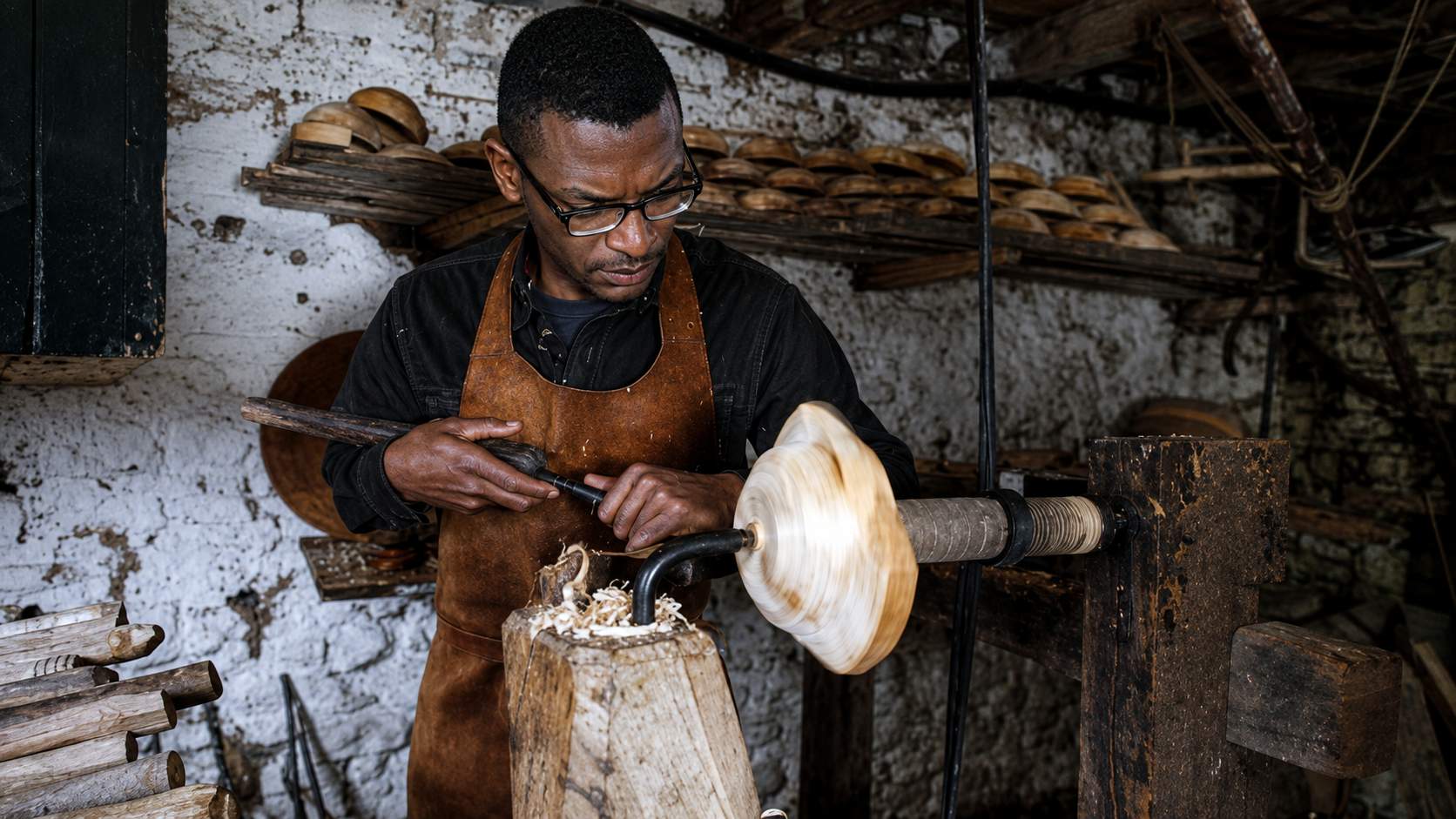
Woodworking has also experienced renewed popularity. Many enthusiasts begin with simple household projects before progressing to furniture restoration or traditional joinery techniques. The North East has numerous community workshops and maker spaces where beginners can safely learn essential skills.
Heritage railway volunteering remains another popular choice. Across Britain, the Heritage Railway Association represents more than 220 member organisations, with thousands of volunteers helping restore locomotives, maintain stations and welcome visitors each year.
Model railways have also enjoyed something of a renaissance. The hobby combines engineering, creativity and local history, with many enthusiasts recreating historic North East railway lines and stations in miniature.
Blacksmithing, stone carving, basket weaving and traditional gardening are becoming increasingly visible at local heritage festivals and museum demonstrations, encouraging younger generations to try skills that once supported everyday life.
How to get started with a heritage hobby.
Starting a heritage hobby does not have to be expensive. Many local libraries, museums and community centres run beginner sessions throughout the year. Newcastle and the surrounding region regularly host heritage open days, craft fairs and historical exhibitions where visitors can watch demonstrations before deciding which hobby appeals most.
Online tutorials can provide a useful introduction, but joining a local club often offers the greatest long-term benefits. Experienced members are usually happy to share advice, recommend affordable equipment and help newcomers avoid common mistakes.
Many hobbies require only a small investment to begin. Knitting needs little more than needles and yarn, while genealogy can start with conversations with older family members before progressing to online archives and local record offices.
Heritage hobbies offer more than nostalgia.
Researchers continue to find links between creative hobbies and improved wellbeing. Studies published by organisations including the Mental Health Foundation have shown that creative activities can help reduce stress, improve confidence and encourage social interaction.
For many people across Newcastle and the North East, heritage hobbies are not simply about preserving the past. They are about building friendships, learning practical skills and ensuring local traditions remain alive for future generations. As interest continues to grow, these timeless activities are proving that history can be both educational and surprisingly enjoyable.
Discovering the past while creating the future.
Whether you choose genealogy, woodworking, knitting or volunteering at a heritage attraction, there has never been a better time to explore a traditional pastime. The North East's remarkable history provides countless opportunities to learn new skills while becoming part of a welcoming community that values craftsmanship, history and local pride.
Share your experiences.
Have you discovered a heritage hobby in Newcastle or the North East that you currently enjoy?
Lifestyle News
Why Traditional Heritage Hobbies Are Booming Again
Advertisement




Comments (0)
You must be logged in to post comments.
Don't have an account? Register here
No comments yet. Be the first to share your thoughts!