
The UK Government is preparing to launch a nationwide campaign encouraging households to be better prepared for emergencies, including the possibility of a major cyber attack that could temporarily disrupt everyday services. The move comes amid growing concerns over international tensions, cyber security threats and the resilience of Britain's critical infrastructure.
The campaign, expected to launch later this year, will encourage families to take simple but practical steps to ensure they can cope if access to electricity, communications, water supplies or supermarkets is interrupted. While ministers have stressed there is no immediate threat to the public, officials say preparing in advance could reduce disruption if a significant incident were ever to occur.
For residents across Newcastle and the wider North East, where thousands rely on digital services for banking, transport and healthcare every day, the guidance is expected to reinforce the importance of being prepared without causing unnecessary alarm.
Emergency Planning Takes Centre Stage.
Speaking in Parliament, Chief Secretary to the Treasury Darren Jones confirmed that the Government will begin a national resilience public awareness campaign designed to help people understand how to prepare for emergencies.
The advice is expected to include recommendations for storing enough food and drinking water for several days, keeping essential medicines available where possible, maintaining battery-powered lighting and radios, and ensuring important documents can still be accessed if digital systems become unavailable.
Officials say the campaign is intended to improve public resilience against a wide range of possible emergencies. These include severe weather, power outages, flooding and large-scale cyber attacks capable of affecting everyday services.
The Government also confirmed that a major national defence exercise will take place next year. Hundreds of civil servants are expected to participate in a simulation involving a complex hybrid attack from a hostile foreign state, testing the UK's ability to respond to simultaneous cyber and physical threats.
Why Cyber Security Is Becoming A Bigger Concern.
Government ministers have repeatedly warned that cyber attacks against the UK's infrastructure are becoming increasingly sophisticated. The Strategic Defence Review previously stated that Britain is already facing daily cyber activity from hostile states alongside espionage and online disinformation campaigns.
According to the UK Government's Cyber Security Breaches Survey 2025, around 43 percent of UK businesses and 30 percent of charities reported experiencing a cyber security breach or attack during the previous 12 months. Among medium and large organisations, the figure rose significantly, highlighting the growing challenge facing public and private sectors alike.
Meanwhile, the National Cyber Security Centre continues to report thousands of cyber incidents each year, with many linked to hostile state actors, organised criminal groups and increasingly advanced ransomware operations.
Although most attacks are successfully defended, experts warn that even temporary disruption to essential services could have a significant impact on everyday life.
What Could This Mean For Newcastle Residents.
While much of the discussion has focused on national infrastructure, the effects of any widespread cyber disruption would inevitably be felt at a local level.
Newcastle residents increasingly depend on digital technology throughout the day. Contactless payments, online banking, GP appointments, public transport information, supermarket deliveries and mobile communications all rely on connected systems remaining operational.
If systems were temporarily disrupted, households could experience difficulties accessing cash, purchasing groceries, receiving updates or communicating with family members.
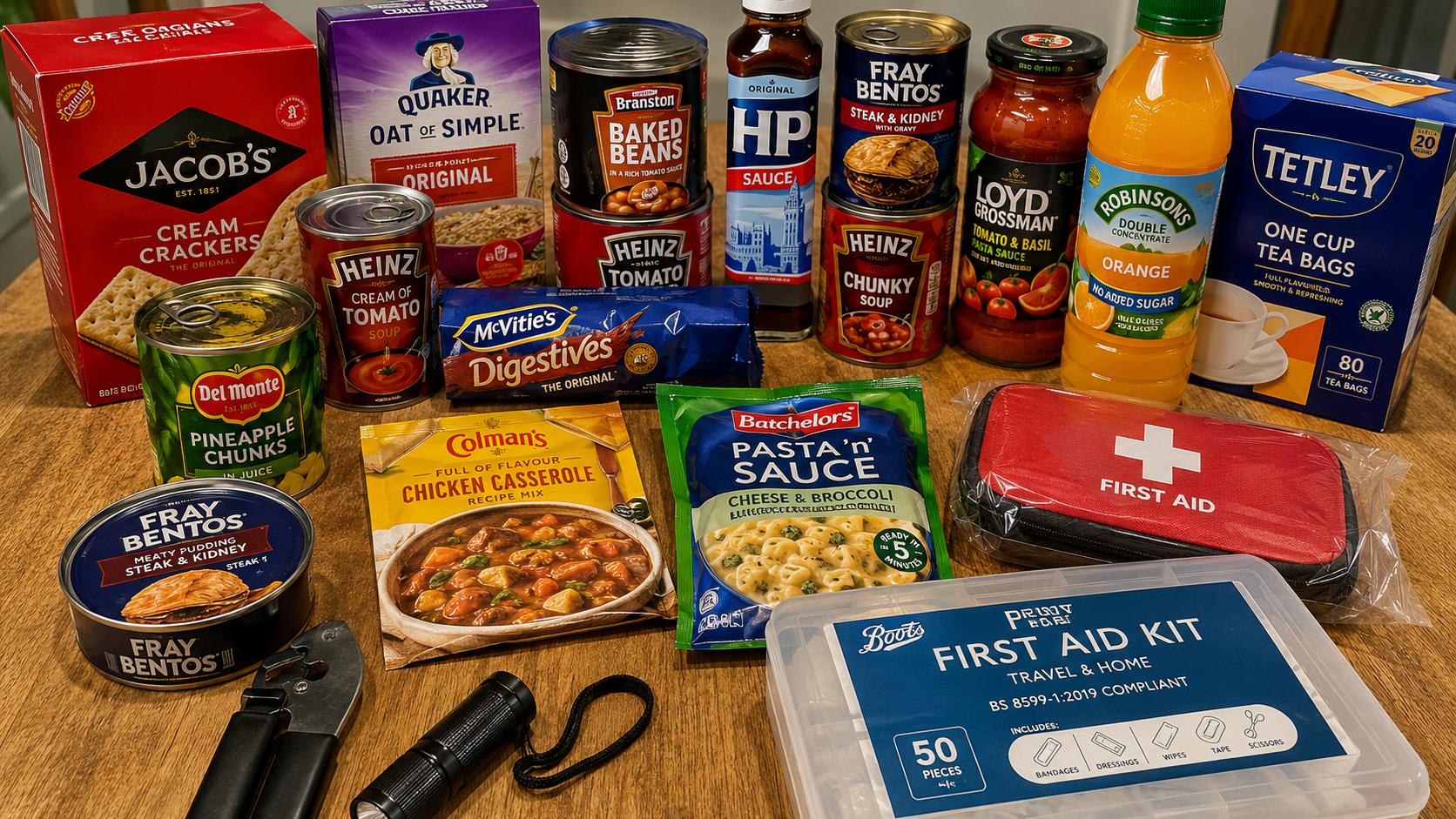
Emergency planners have long encouraged sensible preparation rather than panic buying. Experts generally recommend keeping a modest supply of long-life food, bottled water, batteries, torches, phone power banks and a basic first aid kit. These are considered sensible preparations for a range of emergencies, not just cyber incidents.
For communities across Newcastle upon Tyne, preparing in advance may simply provide reassurance that families can remain comfortable if short-term disruption occurs.
Lessons From Across Europe.
The UK's approach follows similar public resilience campaigns already introduced elsewhere in Europe.
Sweden has distributed preparedness guidance encouraging households to keep emergency food, water, warm clothing and battery-powered radios. Norway has advised residents to maintain emergency medicine supplies, while Germany has encouraged homeowners to consider safe shelter options during major emergencies.
Earlier this year, the European Union also promoted the idea of households maintaining supplies capable of supporting themselves for at least 72 hours should critical services become unavailable.
Officials say these recommendations are designed to improve resilience rather than suggest conflict is imminent.
Balancing Preparedness With Public Confidence.
The announcement has prompted mixed reactions among members of the public. Some believe emergency planning is simply common sense, while others worry that encouraging households to stock supplies could unintentionally trigger unnecessary panic buying similar to that seen during the Covid-19 pandemic.
Government ministers insist the campaign will focus on calm, practical advice instead of alarming messages. The emphasis will remain on helping families become more resilient while allowing emergency services to prioritise the most vulnerable during any major incident.
The updated National Risk Register also reflects the changing security landscape, identifying threats ranging from cyber attacks and foreign interference through to severe weather events and disruption to essential infrastructure.
Prime Minister Sir Keir Starmer has previously warned that intelligence assessments suggest Russia could potentially threaten a NATO member state before the end of the decade, adding further urgency to long-term resilience planning.
For Newcastle and communities across the North East, the message remains straightforward. Preparing sensibly today could help reduce disruption tomorrow, regardless of whether the emergency involves cyber crime, extreme weather or another unexpected event. As more aspects of daily life become digitally connected, resilience is becoming as important as security itself.
Have your say.
What do you think about the Government's latest preparedness advice?
Political News
British Government to Issue New UK Emergency Preparedness Plan
The UK Government is preparing to launch a nationwide campaign encouraging households to be better prepared for emergencies, including the possibility of a major cyber attack that could temporarily disrupt everyday services.
Advertisement





Comments (0)
You must be logged in to post comments.
Don't have an account? Register here
No comments yet. Be the first to share your thoughts!