
In the crowded and rapidly growing towns of the nineteenth century, disease was a constant and deadly threat, and few diseases were more feared than cholera. The terrible epidemics that swept through the towns of the North East spurred a great movement of sanitary reform that transformed public health and saved countless lives. The story of cholera and the sanitary reformers is a sobering but inspiring chapter in the history of public health, illustrating how the region overcame one of its greatest challenges.
The Scourge of Cholera.
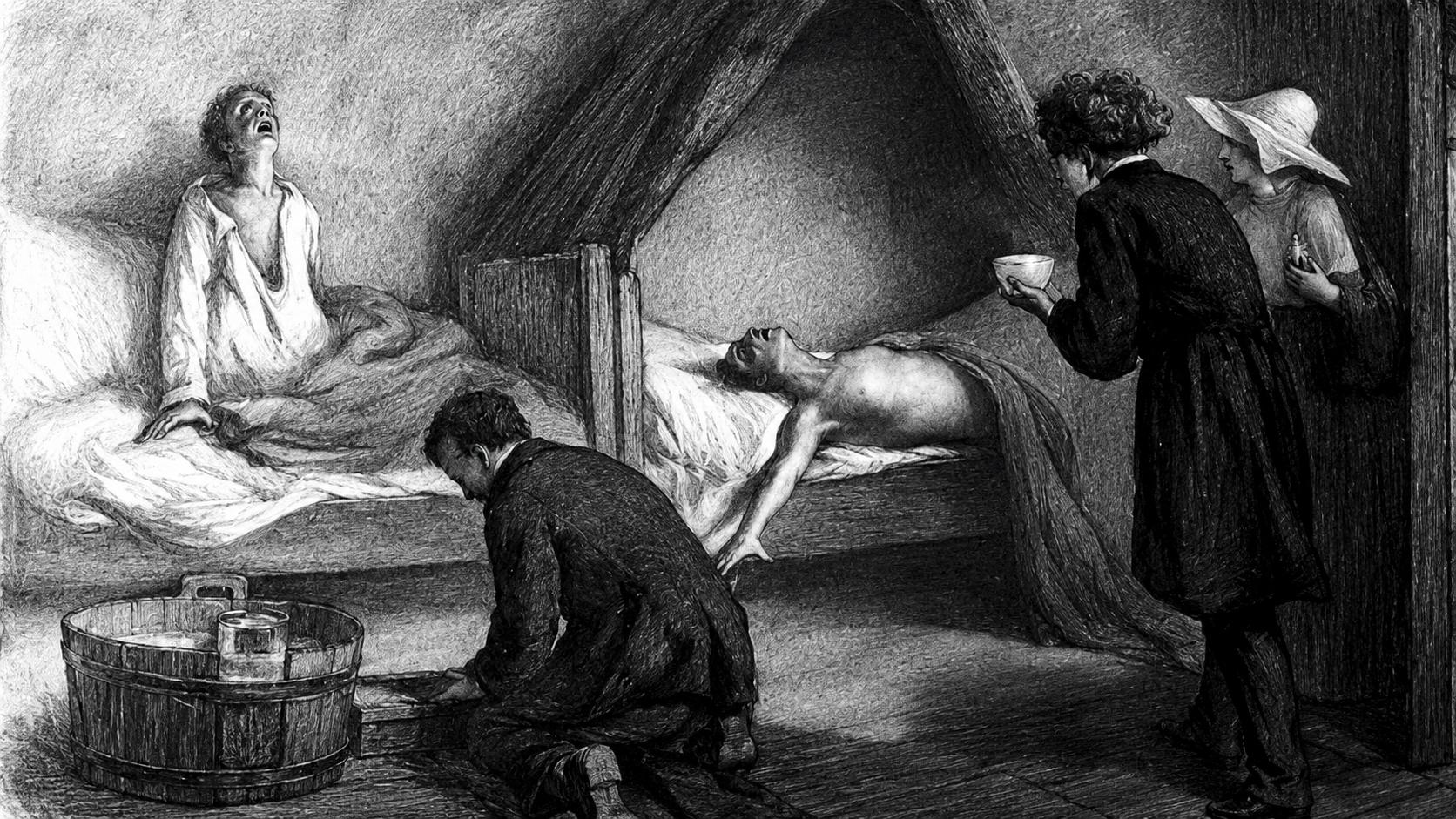
Cholera was one of the most feared diseases of the nineteenth century, a terrible illness that could strike suddenly and kill swiftly. The disease arrived in the country in a series of epidemics that swept through the towns and cities, including those of the North East, causing widespread suffering and death. The crowded, insanitary conditions of the rapidly growing industrial towns provided fertile ground for the disease, which spread through the contaminated water supplies on which people depended. The epidemics brought fear and grief to the communities they struck, and the helplessness of medicine in the face of the disease made it all the more terrifying. Cholera was a scourge that demanded a response.
The Unhealthy Town.
The cholera epidemics drew attention to the appalling sanitary conditions of the industrial towns, where overcrowding, poor housing and inadequate sanitation created a breeding ground for disease. The rapid growth of the towns had outstripped the provision of clean water, drainage and sanitation, and many people lived in conditions of squalor that endangered their health. The water supplies on which people depended were often contaminated, and waste accumulated in the crowded districts where the poor lived. These insanitary conditions were a major cause of disease and death, and the cholera epidemics made the urgent need for improvement impossible to ignore. The unhealthy state of the towns became a matter of grave public concern.
Understanding the Disease.
A crucial step in the battle against cholera was the growing understanding of how the disease spread. Pioneering investigators came to recognise that cholera was spread through contaminated water, a vital insight that pointed the way to its prevention. This understanding, which connected the disease to the dirty and contaminated water supplies of the towns, was a landmark in the history of public health, for it showed how the disease might be combated through the provision of clean water and proper sanitation. The recognition that clean water was the key to defeating cholera was a turning point, transforming the fight against the disease and laying the foundations for the great sanitary reforms that followed.
The Sanitary Reformers.
The cholera epidemics and the growing understanding of disease gave rise to a great movement of sanitary reform, as reformers campaigned to improve the conditions of the towns and to protect the health of the people. These reformers argued for the provision of clean water, proper drainage and sanitation, and the improvement of housing and living conditions, recognising that these were essential to the prevention of disease. The sanitary reform movement was driven by a combination of humanitarian concern, scientific understanding and civic responsibility, and it brought about a transformation in the approach to public health. The reformers laid the groundwork for the great public works that would cleanse the towns and protect the health of their inhabitants.
The Great Works.
The sanitary reform movement led to great works of public engineering, as the towns set about providing clean water, building sewers and improving sanitation. The provision of clean, piped water and the construction of proper drainage systems were enormous undertakings, requiring great investment and effort, but they transformed the health of the towns. These works removed the contaminated water and the accumulated filth that had spread disease, and they brought clean water and proper sanitation to the people. The great works of sanitary engineering were among the most important achievements of the age, saving countless lives and transforming the towns from breeding grounds of disease into healthier places to live.
A Triumph of Public Health.
The sanitary reforms represented a great triumph of public health, demonstrating how disease could be combated through improvements in the conditions of life. The provision of clean water and proper sanitation dramatically reduced the incidence of cholera and other diseases, saving countless lives and improving the health of the population. This triumph showed the power of public action to improve health, and it established the principles of public health that would guide the protection of the population in the years to come. The conquest of cholera through sanitary reform was one of the great achievements in the history of health, a victory won through understanding, reform and the collective effort of the community.
A Lasting Legacy.
The story of cholera and the sanitary reformers is a sobering but inspiring chapter in the history of public health in the North East. The terrible epidemics that brought suffering and death spurred a great movement of reform that transformed the conditions of the towns and saved countless lives. The provision of clean water and proper sanitation, achieved through the efforts of the reformers and the great works of engineering, established the foundations of public health on which we still depend. The legacy of this great cleansing endures in the clean water and sanitation that we take for granted today, a lasting testament to the reformers who battled disease and transformed the health of the region.
The Birth of Public Health.
The battle against cholera and the great sanitary reforms that followed marked the birth of public health as we understand it today, establishing the principle that the protection of the health of the population is a collective responsibility requiring organised action. Before this period, there was little understanding of how to prevent disease at the level of the whole community, and the protection of health was largely a matter for individuals.
The cholera epidemics and the sanitary reform movement changed this fundamentally, establishing the understanding that disease could be prevented through improvements in the conditions of life and that this required organised, collective action by the community and the authorities. The provision of clean water, proper sanitation and better housing, achieved through public action, demonstrated the power of collective effort to protect and improve the health of the population.
This was a profound and important development, establishing the principles and practices of public health that continue to protect us today. The recognition that the health of the population depends on the conditions of life, and that these can be improved through organised action, was a landmark in the history of health, laying the foundations for the systematic protection of public health.
The reformers who battled cholera and campaigned for sanitary improvement were the pioneers of public health, and their achievements established an approach to the protection of health that has saved countless lives and continues to benefit us all. The birth of public health in the response to cholera was one of the most important developments in the history of health, and its legacy endures in the institutions, principles and practices through which the health of the population is now protected.
It reminds us that the health of a community depends not only on the treatment of the sick but on the conditions in which people live, and on the collective effort to improve them.
Share your thoughts.
The terrible cholera epidemics spurred a great movement of sanitary reform that transformed public health.
What do you think we can learn from the great public-health reforms of the past?
Health News
The Great Cleansing: Cholera and the Sanitary Reformers
A look at how the feared cholera epidemics spurred the great sanitary reforms that brought clean water and proper sanitation to the towns of the North East.
Advertisement





Comments (0)
You must be logged in to post comments.
Don't have an account? Register here
No comments yet. Be the first to share your thoughts!