
A growing number of vehicles on Britain's roads may be effectively invisible to traffic enforcement cameras, according to experts warning that so-called "ghost plates" are increasingly being used by criminals, dangerous drivers and motorists seeking to avoid penalties.
The issue has sparked concern among police, road safety campaigners and MPs, with warnings that the technology is being exploited by organised crime groups involved in serious offences ranging from drug trafficking to people smuggling.
For motorists in Newcastle and across the North East, the revelations raise troubling questions about road safety, law enforcement and whether the UK's vehicle registration system is keeping pace with increasingly sophisticated attempts to avoid detection.
A recent parliamentary investigation suggested as many as one in 15 vehicles on UK roads could be using modified or non-compliant number plates that interfere with Automatic Number Plate Recognition (ANPR) systems.
That figure has alarmed authorities, particularly given the crucial role ANPR cameras play in detecting crime and tracking suspect vehicles.
What Are Ghost Plates?.
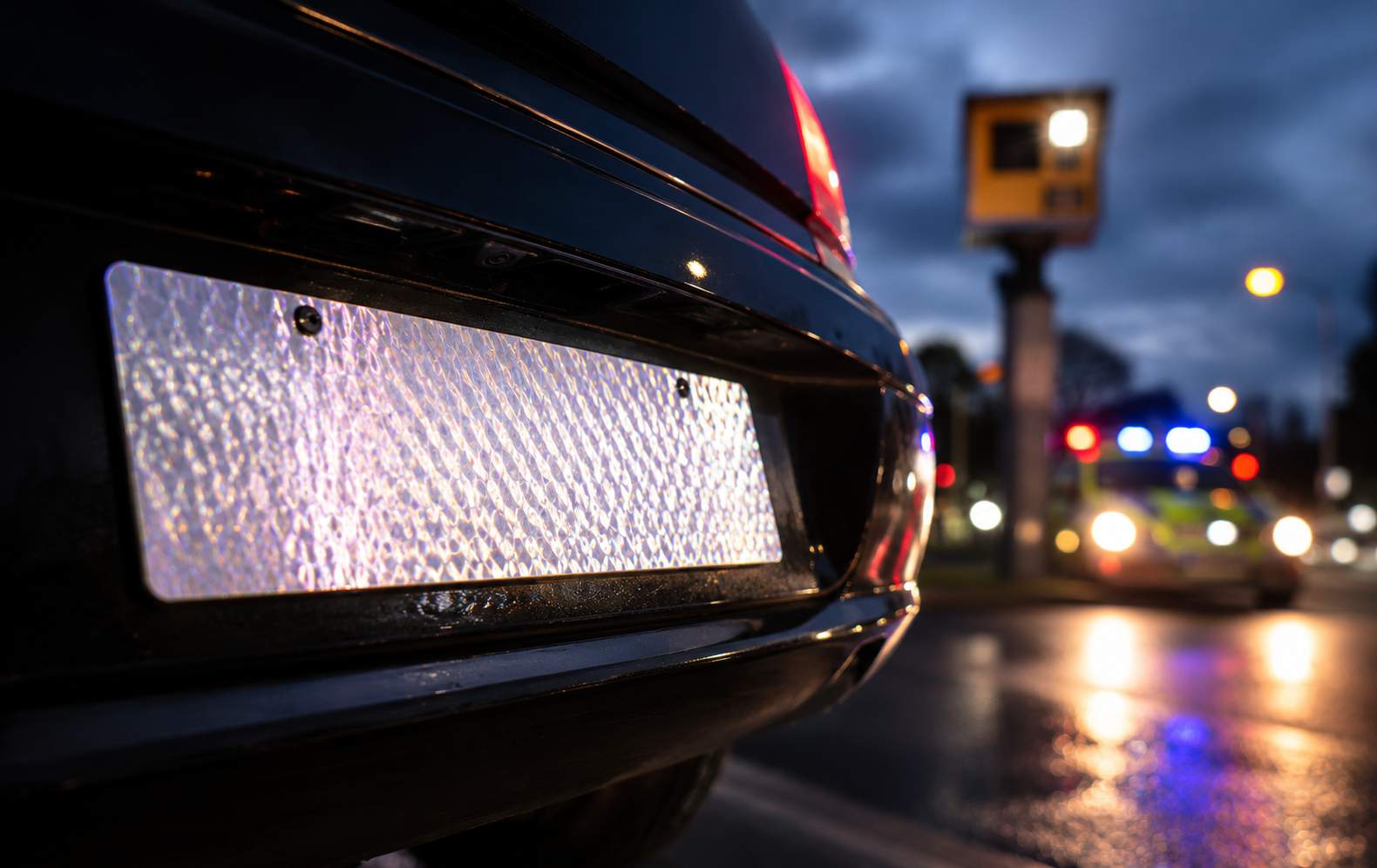
Ghost plates, sometimes referred to as stealth plates, are illegally modified vehicle registration plates designed to appear perfectly normal to the human eye while confusing or blocking traffic enforcement cameras.
In many cases, special reflective coatings, films or alterations are applied to the plate. While a person standing beside the vehicle may see a standard registration number, ANPR cameras can struggle to read or identify the characters correctly.
Some versions use reflective sprays that create excessive glare when viewed through infrared cameras. Others use transparent overlays or subtly altered lettering and numbering designed to confuse software systems.
The result is that vehicles equipped with these plates can sometimes pass speed cameras, congestion charging systems and police ANPR networks without triggering the usual identification process.
Why Are Police So Concerned?.
For police forces across the UK, ghost plates represent far more than a road traffic issue.
ANPR technology has become one of the most important crime-fighting tools available to law enforcement. Every day, millions of number plate reads help officers identify uninsured drivers, locate stolen vehicles, track wanted suspects and monitor organised criminal activity.
The UK's ANPR network processes around 90 million reads daily through more than 18,000 cameras nationwide.
When a vehicle becomes effectively invisible to that network, police lose one of their most valuable investigative resources.
Former British Transport Police officer Chris Shepherd has warned that ghost plates have been linked to individuals involved in serious criminality, including drug trafficking, people smuggling and violence against women and girls.
Security experts have also raised concerns that vehicles with ANPR-resistant plates could move around critical infrastructure, transport hubs and sensitive locations without being detected.
How Criminals Are Exploiting The Technology.
The attraction for criminals is obvious.
A vehicle that cannot be identified by cameras becomes significantly harder to trace.
Organised crime groups often rely on vehicles to transport drugs, stolen goods, weapons and cash. If those vehicles cannot be accurately tracked by roadside cameras, investigations become more challenging.
The parliamentary inquiry into number plate abuse heard evidence that ghost plates are being used to facilitate:
Drug trafficking.
People smuggling.
Rogue trading.
Vehicle crime.
Fraud.
Serious organised crime.
Police and trading standards officials have also warned that the problem extends beyond major criminal networks.
Some motorists are using ghost plates simply to avoid paying fines, parking charges, tolls and congestion fees. However, authorities argue that even seemingly minor abuses undermine public trust and weaken enforcement systems relied upon by emergency services and law enforcement.
Why Newcastle Motorists Should Pay Attention.
While much of the national debate has focused on London and other major cities, the issue is equally relevant to Newcastle and the wider North East.
The region has an extensive network of traffic cameras, ANPR systems and road monitoring infrastructure. These systems assist Northumbria Police in identifying vehicles linked to criminal investigations, road traffic offences and missing person cases.
Major routes such as the A1, A19, Central Motorway and Tyne Tunnel corridors all benefit from varying levels of vehicle monitoring technology.
If vehicles are deliberately modified to evade detection, it potentially affects the effectiveness of policing across the region.
For law-abiding motorists, ghost plates can also create additional risks. Criminals using cloned or disguised registrations can leave innocent vehicle owners facing fines, penalty notices and investigations for offences they did not commit.
The Scale Of The Problem.
The statistics emerging from recent investigations paint a concerning picture.
Researchers working with parliamentarians estimated that as many as one in 15 vehicles could be carrying modified, illegal or non-compliant plates.
Another investigation revealed more than 4,000 non-compliant plates identified in a single Birmingham location over a two-week period.
Transport for London has also invested in specialist camera technology capable of detecting ghost plates. During one enforcement exercise, approximately 41% of checked taxis and private hire vehicles were found to have non-compliant number plates. Since introducing enhanced enforcement technology, thousands of fines have been issued.
These figures suggest the issue is far more widespread than many motorists realise.
Why MPs Want Tougher Rules.
The growing concern has prompted calls for significant reforms to the UK's number plate industry.
A cross-party parliamentary inquiry concluded that weaknesses in the current system have created opportunities for abuse.
One concern relates to the sheer number of registered plate suppliers. The inquiry found there are more than 34,000 suppliers authorised to produce number plates across the UK. Some operate from small workshops or residential addresses with limited oversight.
Campaigners argue that stricter regulation, background checks and tighter licensing standards are needed to prevent illegal plates reaching the market.
Recommendations have included:
Standardising plate designs.
Banning certain 3D and 4D plates.
Increasing penalties for offenders.
Conducting stricter supplier checks.
Introducing additional MOT inspections for number plates.
Current Penalties May Not Be Enough.
One criticism frequently raised by campaigners is that the punishment for using illegal plates is relatively low compared with the potential benefits gained by offenders.
Under current rules, drivers caught using non-compliant number plates can receive a £100 fine.
Critics argue that some motorists view this as a manageable risk when compared with the potential costs of speeding penalties, parking fines, toll charges or congestion fees.
Several MPs and road safety organisations have therefore called for substantially higher fines, penalty points and even vehicle seizure for repeat offenders.
Supporters of tougher sanctions believe stronger deterrents would make ghost plates far less attractive.
New Technology Is Fighting Back.
Law enforcement agencies are not standing still.
Several organisations are developing enhanced camera systems capable of identifying vehicles even when ghost plates are present.
Manufacturers have created advanced imaging technology designed to overcome reflective coatings and detect suspicious modifications. Police forces and transport authorities are increasingly investing in these systems to close loopholes being exploited by offenders.
Experts believe improved technology combined with stronger enforcement could significantly reduce the appeal of ghost plates in the coming years.
However, many also argue that regulation of suppliers remains essential if the problem is to be tackled at its source.
The Growing Battle Between Criminals And Technology.
The rise of ghost plates highlights a wider challenge facing modern policing.
As enforcement technology becomes more sophisticated, criminals continue searching for new ways to avoid detection.
Whether through cloned registrations, counterfeit plates or reflective coatings, attempts to outsmart camera networks have become a growing concern for authorities across Britain.
For Newcastle motorists, the issue serves as a reminder that vehicle registration systems are about far more than issuing speeding tickets. They play a vital role in identifying criminals, protecting the public and supporting investigations into serious offences.
With calls growing for tougher laws and improved enforcement, ghost plates are likely to remain a major topic of discussion in the months ahead.
Do you think penalties for ghost plates should be increased to help tackle crime and improve road safety across Newcastle?
Crime News
Could Illegal Ghost Plates Be Driving Around Newcastle Right Now?
Advertisement




Comments (0)
You must be logged in to post comments.
Don't have an account? Register here
No comments yet. Be the first to share your thoughts!