
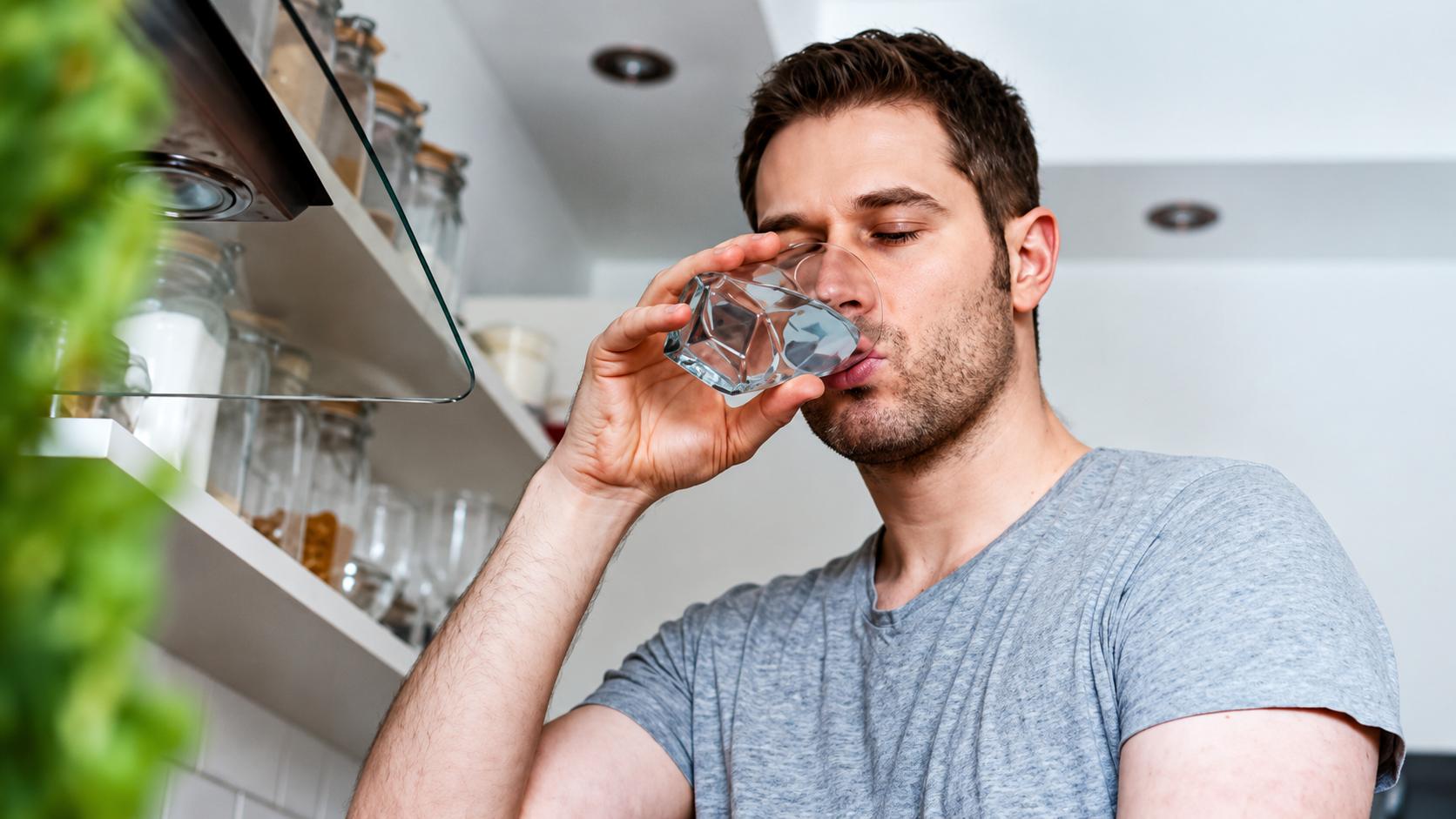
For many people, dehydration is little more than an inconvenience that can be solved with a glass of water. However, doctors warn that the condition can become dangerous much sooner than most people realise, particularly during hot weather, illness or physical activity.
As temperatures continue to rise during UK summers, healthcare professionals are seeing more patients whose dehydration has contributed to serious medical emergencies. Across Newcastle and the wider North East, recent warm spells have highlighted how quickly the body can lose fluids, especially among older people, young children and those living with long-term health conditions.
The hidden danger is that dehydration often develops gradually. By the time someone feels extremely thirsty, their body may already be struggling to maintain normal function.
Why dehydration affects the whole body.
Water makes up around 60 percent of an adult's body weight and plays a vital role in almost every bodily function. It helps regulate temperature, transports nutrients, cushions joints and keeps organs working properly.
When fluid levels begin to fall, the heart has to work harder to pump blood around the body. Blood pressure can drop, the kidneys become less efficient and the brain receives less oxygen-rich blood, leading to dizziness, confusion and slower reactions.
According to the NHS, dehydration can quickly progress from headaches and fatigue to heat exhaustion and, in severe cases, heatstroke, which is a medical emergency requiring immediate treatment.
Newcastle's ageing population faces additional risks.
Although dehydration can affect anyone, experts say older adults remain one of the most vulnerable groups.
Like many areas across the North East, Newcastle has a growing ageing population. As people get older, their sense of thirst naturally becomes weaker, meaning they may not realise they need to drink until dehydration is already developing.
Many also take medications that increase fluid loss or have medical conditions that make maintaining hydration more difficult.
Research involving older adults admitted to UK hospitals found that around 37 percent were dehydrated when they arrived, and those patients were around six times more likely to die during their hospital stay than patients who were properly hydrated.
Heatwaves make dehydration much more dangerous.
Summer heat dramatically increases the amount of fluid the body loses through sweating.
During the record-breaking heatwaves experienced across England in 2026, doctors repeatedly warned that dehydration was contributing to increased ambulance call-outs and hospital admissions. Hot nights made the situation worse because the body had little opportunity to cool down before the following day.
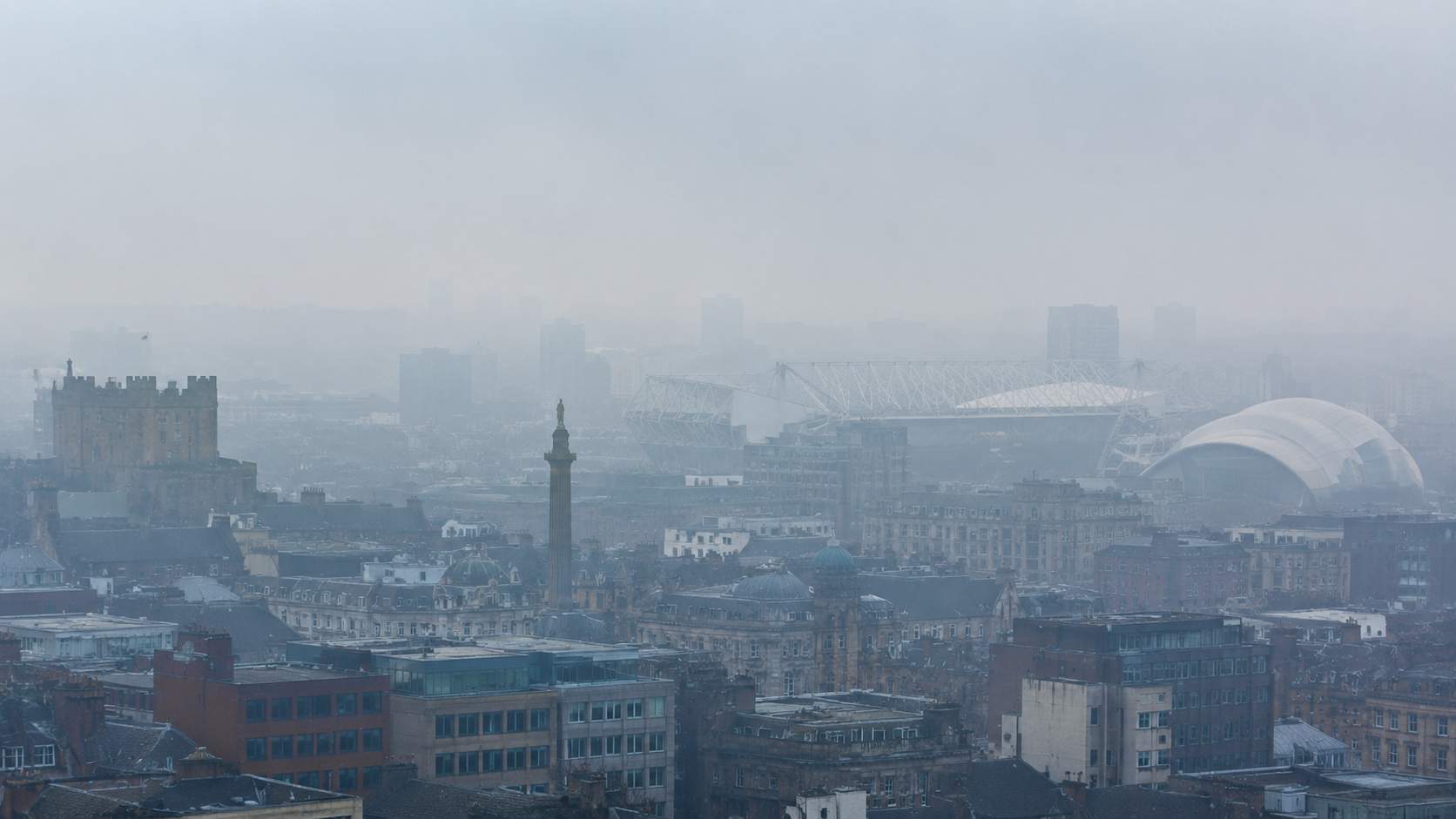
Even though Newcastle usually experiences cooler temperatures than southern England, climate experts expect hotter summers to become more common across the North East.
That means residents who may not think of themselves as being at risk should become more aware of early dehydration symptoms, particularly during prolonged periods of warm weather.
The warning signs people often overlook.
Many people assume thirst is the first sign of dehydration, but medical professionals say several earlier symptoms are commonly missed.
Dark yellow urine, headaches, tiredness, dizziness, dry lips, muscle cramps and reduced concentration can all indicate that the body needs more fluids. Some older adults become unusually confused or sleepy before they ever complain of feeling thirsty.
According to NHS guidance, dehydration can also increase the risk of falls, particularly among older people, as balance and blood pressure become affected.
The statistics show a growing public health issue.
Health experts say dehydration is becoming an increasingly important issue as the climate changes.
The World Health Organization estimates that approximately 489,000 heat-related deaths occur globally every year, while heat-related deaths among people aged over 65 increased by around 85 percent between the early 2000s and the late 2010s.
The UK Health Security Agency also warns that dehydration can worsen existing heart disease, diabetes, kidney disease and respiratory illnesses, making periods of hot weather especially dangerous for vulnerable people.
Scientists estimate that more than 2,700 heat-related deaths may have occurred in England and Wales during the exceptional May and June 2026 heatwaves, demonstrating how quickly prolonged hot weather can become a public health emergency.
Small daily habits can make a big difference.
Doctors say preventing dehydration is usually straightforward if people act early.
Drinking fluids regularly throughout the day rather than waiting until thirst develops is one of the simplest ways to stay hydrated. Water is usually the best option, although milk, lower sugar drinks and tea also contribute towards daily fluid intake.
During hotter weather, residents across Newcastle are encouraged to carry a reusable water bottle, avoid prolonged periods in direct sunshine during the hottest hours and check regularly on elderly relatives, neighbours and friends.
People should also remember that alcohol increases fluid loss, while strenuous exercise during peak afternoon temperatures raises the risk of dehydration considerably.
Awareness could save lives.
As climate experts predict hotter and longer summers across the UK, dehydration is becoming more than just a seasonal health issue. It is increasingly recognised as a preventable cause of hospital admissions, medical complications and avoidable deaths.
For Newcastle and communities across the North East, raising awareness could prove just as valuable as investing in healthcare. Understanding the warning signs, staying hydrated and looking after vulnerable neighbours may seem like simple actions, but together they could help reduce pressure on the NHS and, more importantly, save lives during future heatwaves.
Share your tips below.
How do you ensure you stay hydrated during hotter weather?
Health News
Could You Be Dehydrated Without Even Knowing?
Advertisement



Comments (0)
You must be logged in to post comments.
Don't have an account? Register here
No comments yet. Be the first to share your thoughts!