
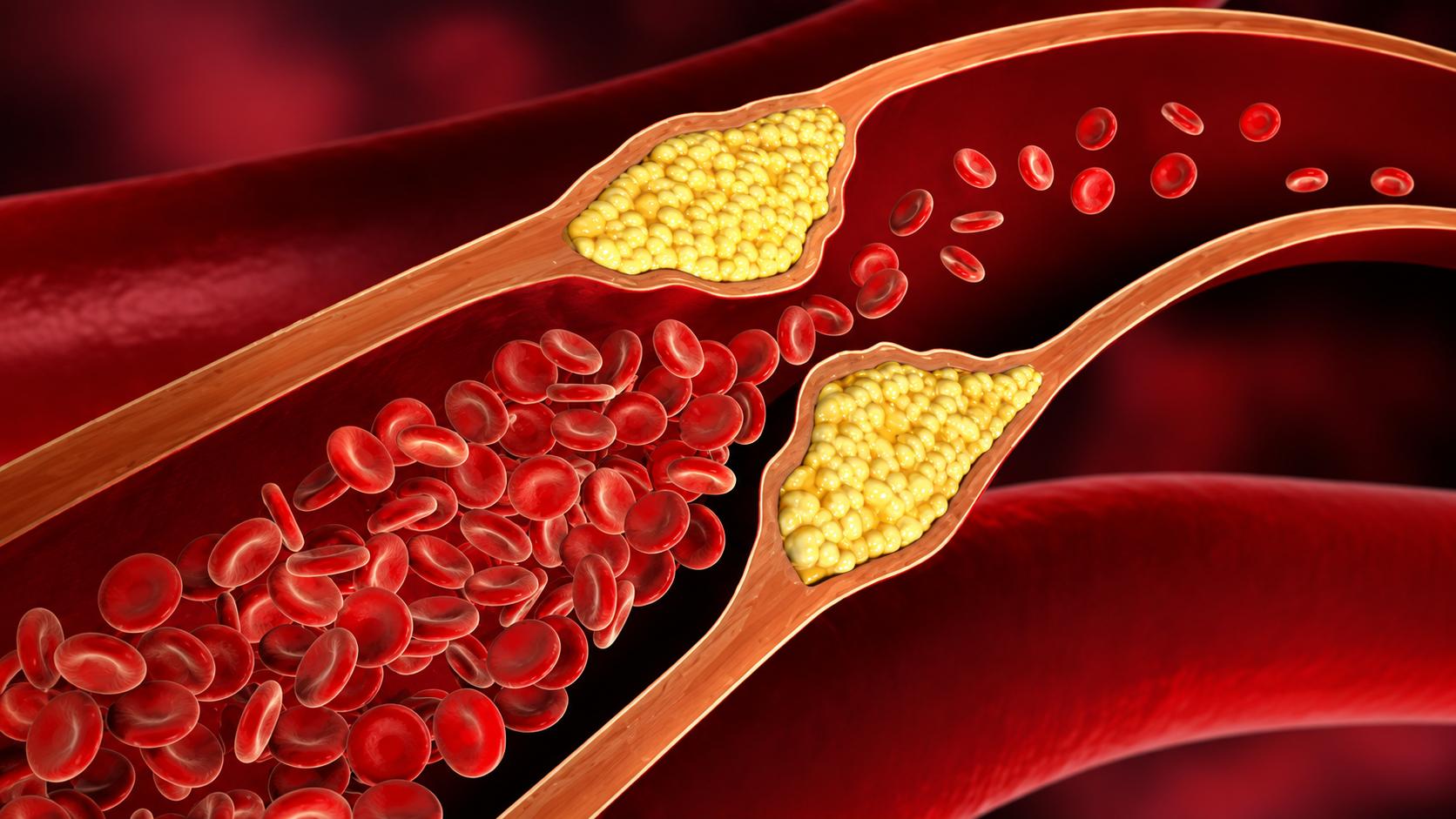
Cholesterol is a fatty substance the body needs for various essential functions, including building healthy cells, yet having too much of certain types circulating in the blood significantly increases the risk of heart disease and stroke. High cholesterol affects a genuinely large proportion of UK adults, and like high blood pressure, it typically causes no noticeable symptoms at all, meaning most people only discover it through a blood test.
Cholesterol travels through the bloodstream attached to proteins called lipoproteins, with two main types mattering most for health. Low-density lipoprotein, commonly called LDL or "bad" cholesterol, can build up in artery walls and increase heart disease risk, while high-density lipoprotein, or HDL "good" cholesterol, actually helps remove excess cholesterol from the bloodstream, meaning higher HDL levels are generally considered beneficial.
Several factors influence cholesterol levels, including diet, particularly intake of saturated fat, being overweight, lack of physical activity, smoking, and drinking too much alcohol. Genetics also play a significant role for some people, with a condition called familial hypercholesterolaemia causing naturally very high cholesterol levels regardless of diet or lifestyle, affecting an estimated one in two hundred and fifty people in the UK.
Cholesterol is measured through a simple blood test, typically offered as part of routine health checks from age forty onward, or earlier for anyone with a family history of high cholesterol or heart disease. Results are usually given as total cholesterol alongside a breakdown of LDL and HDL levels, giving a genuinely clearer picture of overall cardiovascular risk than a single total figure alone.
Dietary changes form a key part of managing high cholesterol for many people, including reducing saturated fat found in fatty meat, butter and cheese, increasing soluble fibre from foods like oats and beans, and incorporating more oily fish, nuts and plant-based unsaturated fats into meals. These changes can genuinely help lower LDL cholesterol over time when maintained consistently.
Regular physical activity helps improve cholesterol levels too, generally raising beneficial HDL cholesterol while helping lower harmful LDL cholesterol, alongside supporting healthy weight management more broadly. Quitting smoking also delivers a genuinely rapid improvement in HDL cholesterol levels, among its many other well-established cardiovascular health benefits.
For people whose cholesterol remains high despite lifestyle changes, or those at particularly high cardiovascular risk, doctors commonly prescribe statins, a widely used class of medication that works by reducing cholesterol production in the liver. Statins have been extensively studied and are generally considered safe and effective for most people, though like all medications they can occasionally cause side effects worth discussing with a GP.
Getting cholesterol checked regularly, particularly from midlife onward or with a family history of heart disease, remains an important, genuinely simple step toward understanding and managing personal cardiovascular risk. Combined with a healthy diet, regular exercise and not smoking, most people can keep their cholesterol within a healthy range and significantly reduce their long-term risk of heart disease and stroke.
The North East has historically recorded higher rates of heart disease than many other parts of England, making regular cholesterol checks and effective management particularly important for residents across Newcastle and the wider region hoping to reduce their own personal cardiovascular risk over the long term.
Reading food labels carefully can make a genuine difference for anyone trying to reduce saturated fat intake specifically, since many processed foods contain considerably more than expected, making small, informed swaps a surprisingly effective way to improve overall cholesterol levels over time. Small, sustainable dietary changes generally prove more effective long-term than short, restrictive diets.
Working with a GP or dietitian to build a genuinely sustainable long-term eating pattern, rather than a short-term diet, tends to produce considerably better and more lasting results for cholesterol management than any quick-fix approach ever could. It is a genuinely manageable risk factor once properly understood and consistently addressed. Heart UK offers genuinely helpful resources and support for anyone wanting more detailed guidance on managing cholesterol through diet and lifestyle.
Have your say.
When did you last have your cholesterol checked?
Health News
High Cholesterol: What It Means and How to Lower It
High cholesterol rarely causes symptoms on its own, yet it remains one of the most significant, and most manageable, risk factors for heart disease and stroke.
Advertisement




Comments (0)
You must be logged in to post comments.
Don't have an account? Register here
No comments yet. Be the first to share your thoughts!