
Newcastle has spent much of the past decade transforming itself from a city known primarily for heavy industry into one built around technology, life sciences, digital businesses, higher education and advanced manufacturing. While economic uncertainty continues to affect the UK, there are growing signs that Newcastle and the wider North East could be entering a period of sustained investment.
Major regeneration projects, billions of pounds of planned investment, expanding technology sectors and improvements to transport are all expected to influence the region's economy over the next five years. For residents, that could mean more job opportunities, new housing developments and increased investment in public services. It could also bring challenges, including higher demand for housing and rising living costs if economic growth accelerates.
Although no forecast is guaranteed, several major developments already announced provide a strong indication of where Newcastle's economy is heading.
Investment is gathering pace.
One of the biggest indicators of future economic growth is the amount of investment flowing into a region.
The North East Mayoral Strategic Authority recently reported that devolution has helped unlock £1.87 billion of investment across the region. Its latest annual report also highlights 1,900 new jobs created, 600 existing jobs safeguarded, more than 100 million discounted public transport journeys, and programmes expected to unlock more than 4,000 new homes through brownfield regeneration.
Alongside regional investment, the UK Government has committed up to £1.7 billion for regeneration projects across northern city regions, including Newcastle and Gateshead Quays, with the aim of supporting housing, commercial development and employment opportunities.
For residents, this level of investment is important because it creates confidence for businesses considering expansion or relocation.
Technology and innovation could drive future jobs.
Newcastle has quietly become one of the UK's fastest-growing technology centres.
The city's growing fintech, software development and life sciences sectors have attracted both established businesses and start-ups. Invest Newcastle's latest inward investment review revealed that 31 new companies established operations across Newcastle and Gateshead during one financial year, while nine existing businesses expanded. Together, those projects are expected to create 1,618 new jobs and contribute an estimated £62.5 million in economic value over the following three years.
Looking further ahead, one of the region's most ambitious projects is the North East AI Growth Zone. The initiative is expected to attract around £30 billion in investment and create more than 5,000 highly skilled jobs, helping position the region as one of Europe's leading data and artificial intelligence hubs.
If those ambitions are realised, Newcastle could see increased demand for software engineers, data specialists, cybersecurity experts and highly skilled technical workers over the next five years.
Green industries are becoming a major opportunity.
Clean energy is also expected to play an increasingly important role in the regional economy.
The North East already has significant strengths in offshore wind, renewable energy and advanced manufacturing. Regional leaders have launched a Green Jobs Plan with the ambition of creating 25,000 additional green jobs by 2035, supported by investment in offshore wind infrastructure, ports and clean technology.
While much of this employment growth will happen over the next decade, the groundwork is expected to accelerate during the coming five years as infrastructure projects begin progressing.
For younger workers and graduates, these industries could provide career opportunities that previously required relocating elsewhere in the UK.
Housing demand is likely to remain strong.
Economic growth often brings increased demand for housing, and Newcastle already faces pressure in its property market.
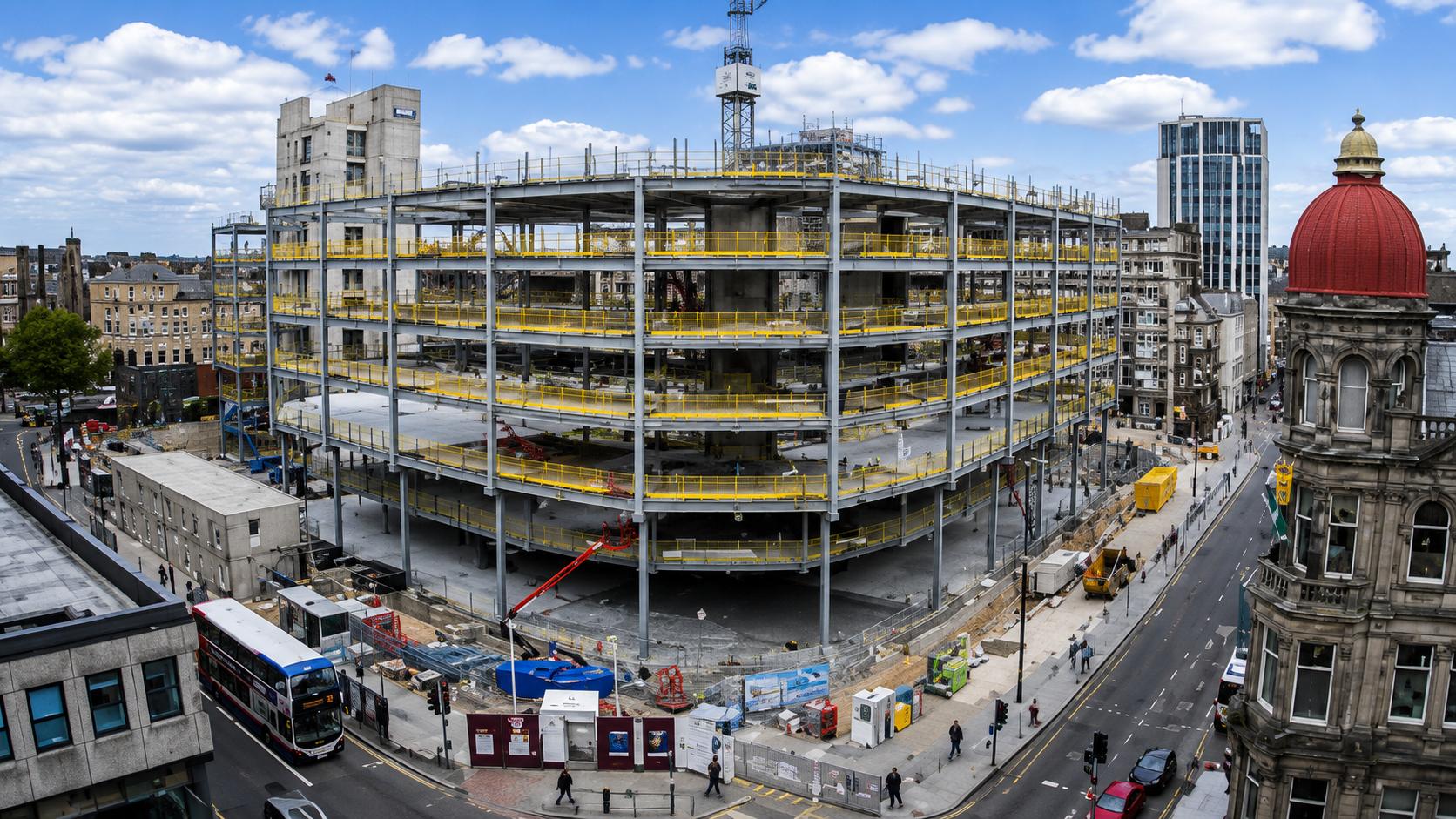
New housing developments are progressing across several parts of the city, while regeneration projects continue to transform former industrial land into residential neighbourhoods.
Greater employment opportunities typically attract new residents, increasing competition for both homes to buy and properties to rent.
That could place further upward pressure on house prices in some areas, although additional housing supply may help moderate increases if construction keeps pace with demand.
For existing homeowners, stronger demand could support property values. For first-time buyers, affordability is likely to remain one of the city's biggest economic challenges.
Skills will become increasingly important.
Economic growth alone does not guarantee that local people benefit.
One of the biggest priorities identified by regional leaders is improving workforce skills so residents can access better-paid employment rather than seeing new jobs filled from outside the region.
Recent discussions between metro mayors and government have focused on gaining greater local control over education and vocational training budgets, allowing regions such as the North East to tailor skills programmes to local employers' needs.
Investment in colleges, apprenticeships and technical education is therefore likely to become an increasingly important part of Newcastle's economic strategy over the next five years.
Residents could see both opportunities and challenges.
For many households, the outlook appears cautiously positive.
Continued investment could support higher employment, stronger wages and improved transport links. Regeneration schemes may also revitalise neighbourhoods, create new public spaces and attract additional businesses into the city.
However, economic growth also brings challenges.
Demand for housing may continue pushing prices higher. Some sectors could struggle to recruit enough skilled workers. Infrastructure, including roads, GP surgeries and schools, will need to expand alongside population growth to avoid placing additional pressure on existing services.
The next five years are therefore likely to be shaped by how successfully Newcastle balances investment with sustainable growth.
Newcastle appears well placed for the future.
Few cities outside London have experienced the breadth of investment Newcastle is currently attracting.
With billions of pounds committed across regeneration, transport, artificial intelligence, green industries and inward investment, the city appears well positioned to strengthen its economy over the coming years.
While national economic conditions will continue influencing household finances, Newcastle's diverse economy and expanding technology sector provide reasons for cautious optimism.
For residents, the coming five years could bring more career opportunities, improved infrastructure and continued regeneration. Success will ultimately depend on ensuring that investment translates into better living standards, affordable housing and opportunities that benefit communities across the city rather than only a small number of sectors.
Join the discussion.
Do you think Newcastle's economy is heading in the right direction?
Local News
How The Next Five Years Could Completely Transform Newcastle
Advertisement





Comments (0)
You must be logged in to post comments.
Don't have an account? Register here
No comments yet. Be the first to share your thoughts!