
For people training in Newcastle, progress is often measured by the weight on the bar, the quality of a workout or changes seen in the mirror. Yet one of the most important parts of building muscle happens away from the gym.
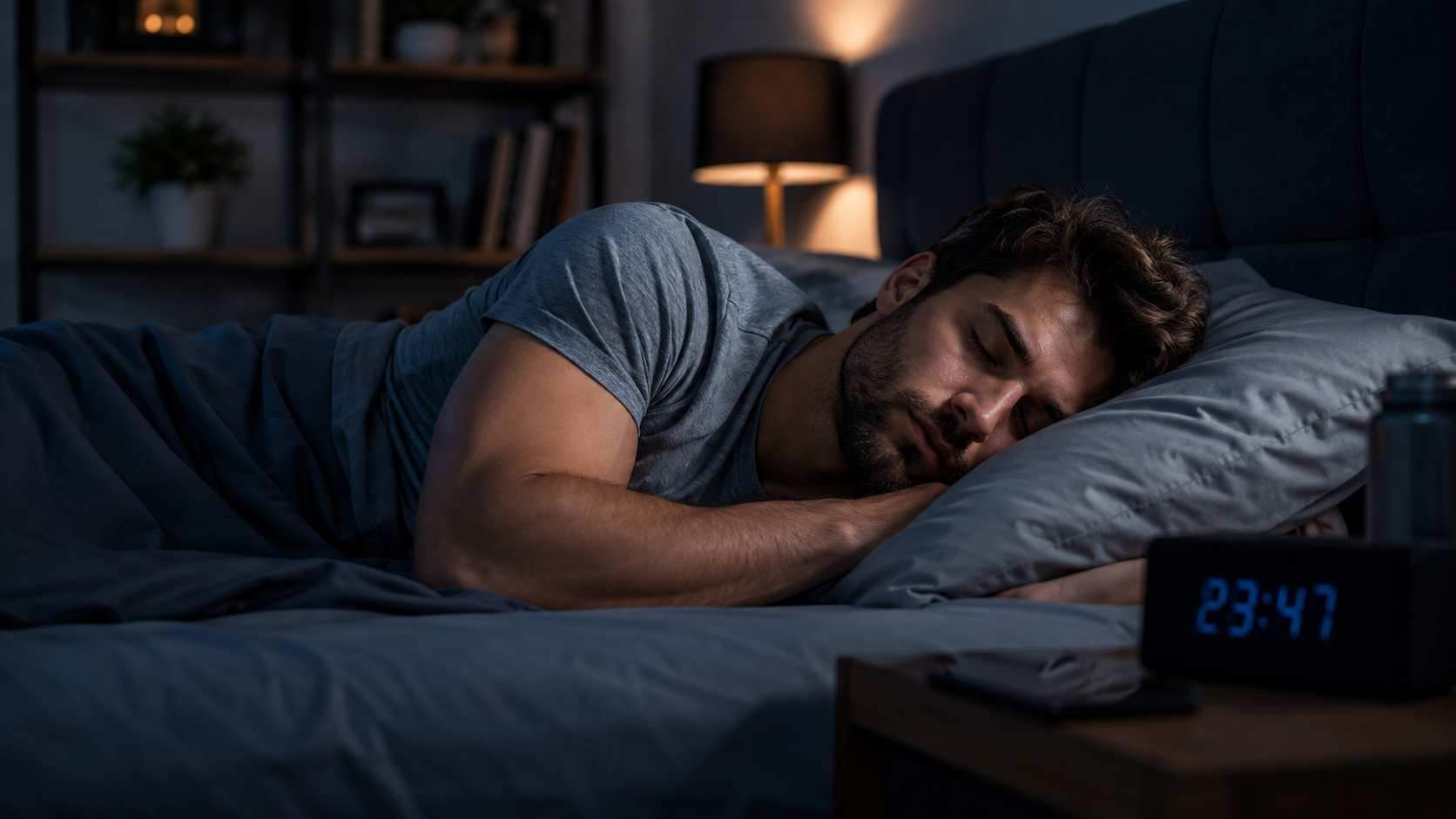
Sleep gives the body time to repair tissue, regulate hormones and prepare for the next training session. Whether someone is lifting in a city-centre gym, exercising at home or preparing for a sporting event on Tyneside, regularly cutting sleep short can make achieving results more difficult.
Why sleep matters for muscle growth.
Resistance training creates a powerful stimulus for adaptation. During recovery, the body repairs muscle fibres and builds new proteins, allowing muscles to become stronger over time. Sleep supports this process by providing the conditions needed for effective physical restoration.
Deep sleep is particularly important because it is associated with tissue repair and the release of hormones involved in recovery. Missing a single night will not erase months of training, but repeatedly sleeping too little may reduce the return gained from a well-designed exercise programme.
A small controlled study published in Physiological Reports offers a striking example. Researchers studying 13 healthy young adults found that one night of complete sleep deprivation reduced post-meal muscle protein synthesis by 18 percent. Cortisol increased by 21 percent, while testosterone fell by 24 percent. As this was a small experiment involving total sleep deprivation, the figures should not be treated as a prediction of what every short night will do. They do, however, demonstrate how quickly lost sleep can alter the body’s recovery environment.
Short nights can weaken training performance.
Anyone who has attempted heavy squats or deadlifts after a poor night will recognise the difference. Familiar weights may feel unusually demanding, concentration can drift and maintaining good technique requires more effort.
Insufficient sleep may affect reaction time, decision-making and motivation as well as physical performance. That combination matters during technically demanding exercises, when a momentary lapse in balance or concentration can increase the chance of a mistake.
The wider scale of the problem is considerable. CDC data from 2022 showed that 37 percent of American men and 39 percent of adults aged 45 to 64 reported getting less than seven hours of sleep. Although these are US figures rather than Newcastle statistics, they illustrate how common short sleep has become.
For Newcastle residents balancing work, family commitments, commuting and exercise, tiredness can also change behaviour. A planned evening workout is easier to abandon after a draining day, while hunger and convenient food can become harder to manage.
How much sleep do active adults need.
Most adults should aim for around seven to nine hours of sleep each night. People completing demanding strength programmes may feel and perform better near the upper end of that range, particularly during high-volume training blocks.
An NHS hospital sleep guide recommends seven to nine hours and reports a UK average of approximately six hours and 30 minutes. It also explains that people typically move through four to six sleep cycles each night. That creates a meaningful gap between the recommended amount and the sleep many people appear to receive.
Duration is only part of the picture. A regular schedule helps the body anticipate when it should feel awake and when it should begin winding down. Keeping wake-up times reasonably consistent, including at weekends, can therefore be more useful than relying on a long lie-in after several short nights.
Practical sleep habits for Newcastle lifters.
The most effective changes are usually straightforward. A dark, quiet and comfortably cool bedroom creates a better setting for sleep. Morning daylight can help regulate the body clock, so even a brief walk through a Newcastle neighbourhood or local park may support a more consistent routine.
Caffeine deserves particular attention. Coffee, energy drinks and many pre-workout products can remain active for hours. Someone who trains after work may blame the session for keeping them awake when a heavily caffeinated supplement is the real cause. Testing an earlier caffeine cut-off is a simple way to identify whether it is affecting sleep.
Late training is not automatically harmful. For many people, an evening session is the only practical option. However, intense exercise raises heart rate and body temperature. If sleep becomes difficult after late workouts, finishing slightly earlier, extending the cool-down and avoiding stimulants may help.
Alcohol can be another obstacle. It may make a person feel sleepy initially, but it can disrupt normal sleep stages and leave recovery feeling incomplete. A late Newcastle night out followed by a hard morning session is unlikely to produce the same performance as a properly rested workout.
When poor sleep needs medical attention.
Lifestyle changes cannot solve every sleep problem. People who regularly wake feeling unrefreshed, snore heavily, stop breathing during sleep or experience severe daytime sleepiness should speak to a GP.
The Newcastle Regional Sleep Service is based at the Freeman Hospital and the Community Diagnostic Centre at the Metrocentre. Its specialists assess obstructive sleep apnoea, insomnia, narcolepsy, restless legs syndrome and other conditions. The service says many sleep studies can be completed at home using a portable monitoring device.
Persistent symptoms should not simply be accepted as part of a busy lifestyle, especially when a treatable condition may be interfering with health, training and everyday concentration.
Training sensibly when sleep is limited.
Shift work, caring responsibilities and demanding jobs can make ideal sleep targets unrealistic. During those periods, adapting the training plan is usually wiser than forcing the body through the same workload.
Reducing the number of sets, stopping further away from muscular failure and prioritising safe technique can preserve progress without adding unnecessary fatigue. Maintaining strength through a difficult period is still a positive outcome.
For Newcastle gym-goers chasing greater strength or muscle growth, recovery is not time wasted. Training provides the reason for the body to adapt, but sleep gives it the opportunity. Before buying another supplement or adding another workout, an earlier and more consistent bedtime may be the change that delivers the greatest return.
How has sleep affected your strength, recovery or motivation in the gym? Share your experience and tips with Newcastle’s fitness community below.
Share your experience.
What is your best tip for balancing work, training and sleep?
Health News
Is Lost Sleep Ruining Your Newcastle Gym Progress?
Advertisement




Comments (0)
You must be logged in to post comments.
Don't have an account? Register here
No comments yet. Be the first to share your thoughts!