
A North East MP has claimed discrimination against people with strong regional accents remains one of the last socially accepted prejudices in Britain, with the issue reigniting debate over fairness in education and the workplace.
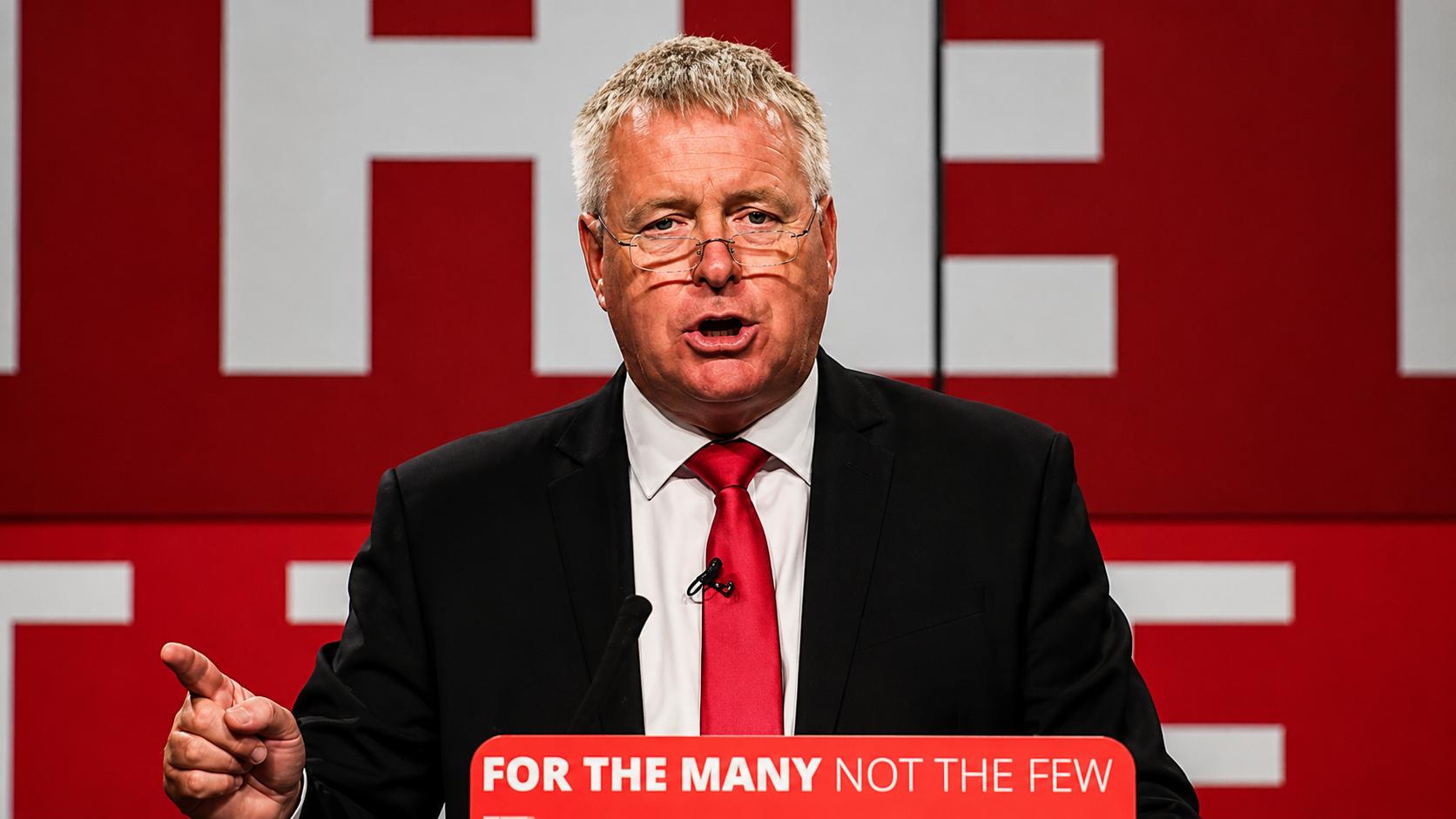
Ian Lavery, Labour MP for Blyth and Ashington, spoke passionately during a Westminster Hall debate on regional accents and social mobility, arguing that people should never feel pressured to change the way they speak simply to improve their career prospects.
His comments have struck a chord across the North East, where distinctive voices such as the Geordie dialect remain a proud symbol of local identity. For many people living in Newcastle and surrounding communities, an accent reflects family history, working-class roots and generations of regional heritage.
Newcastle identity remains closely linked to its voice.
Lavery told MPs that his own accent came from the coalfields and represented who he is and the people he serves. He argued that many employers continue to make unfair assumptions about people because of how they speak, creating unnecessary barriers for working-class children and young adults.
He described accent prejudice as "the last form of acceptable discrimination", insisting that people should never have to abandon their identity to be taken seriously.
The comments resonate across Newcastle, where local speech is celebrated in everything from football chants at St James' Park to community events, yet some residents say stereotypes about Geordie accents still exist outside the region.
Pressure to sound different affects careers.
The parliamentary debate was led by Labour MP Jo Platt, who shared her own experience of softening her regional accent earlier in her career because she feared it would affect how professional she appeared.
She explained that many people worry an employer will judge them before hearing their qualifications or experience, simply because of the way they speak.
MPs from across England echoed similar experiences, describing how accents from the Black Country, Devon, Sussex and other regions have also been unfairly mocked or viewed as less educated.
The debate comes as Prime Minister Andy Burnham has outlined plans to strengthen regional decision making through further devolution, including proposals for a "No 10 North", placing greater focus on communities beyond Westminster.
Research suggests accent bias is still widespread.
The discussion is supported by research highlighting the impact accents can have on social mobility.
A major Sutton Trust report found that fewer than 10 percent of people are estimated to speak with Received Pronunciation, often associated with traditional authority, despite it remaining heavily represented in positions of influence. The research also found that 35 percent of university students felt self-conscious about their accent, while 30 percent reported being mocked or singled out because of the way they speak. Among professionals already in work, one in four said they had experienced similar treatment.
The same research revealed that students from northern England were significantly more likely to worry that their regional accent could affect future career opportunities than students from southern England.
Pride in Geordie culture continues to grow.
While stereotypes still exist, many people across Newcastle see their accent as something worth protecting rather than changing.
The Geordie dialect is recognised around the world and has become an important part of the city's identity, tourism and culture. Local businesses, broadcasters and sports personalities increasingly embrace regional speech rather than attempting to replace it with more neutral pronunciation.
Supporters of Lavery's comments argue that celebrating authentic regional voices encourages diversity and helps ensure talented people are judged on their ability instead of outdated assumptions.
As Parliament continues discussing social mobility, many in the North East believe respecting regional accents is another step towards creating equal opportunities across the country.
For Newcastle residents, the debate is about far more than pronunciation. It is about ensuring future generations never feel they have to leave part of their identity behind in order to succeed.
Share your thoughts.
Should accent discrimination receive legal protection?
Political News
MPs Demand End to Regional Accent Discrimination
Advertisement


Comments (0)
You must be logged in to post comments.
Don't have an account? Register here
No comments yet. Be the first to share your thoughts!