
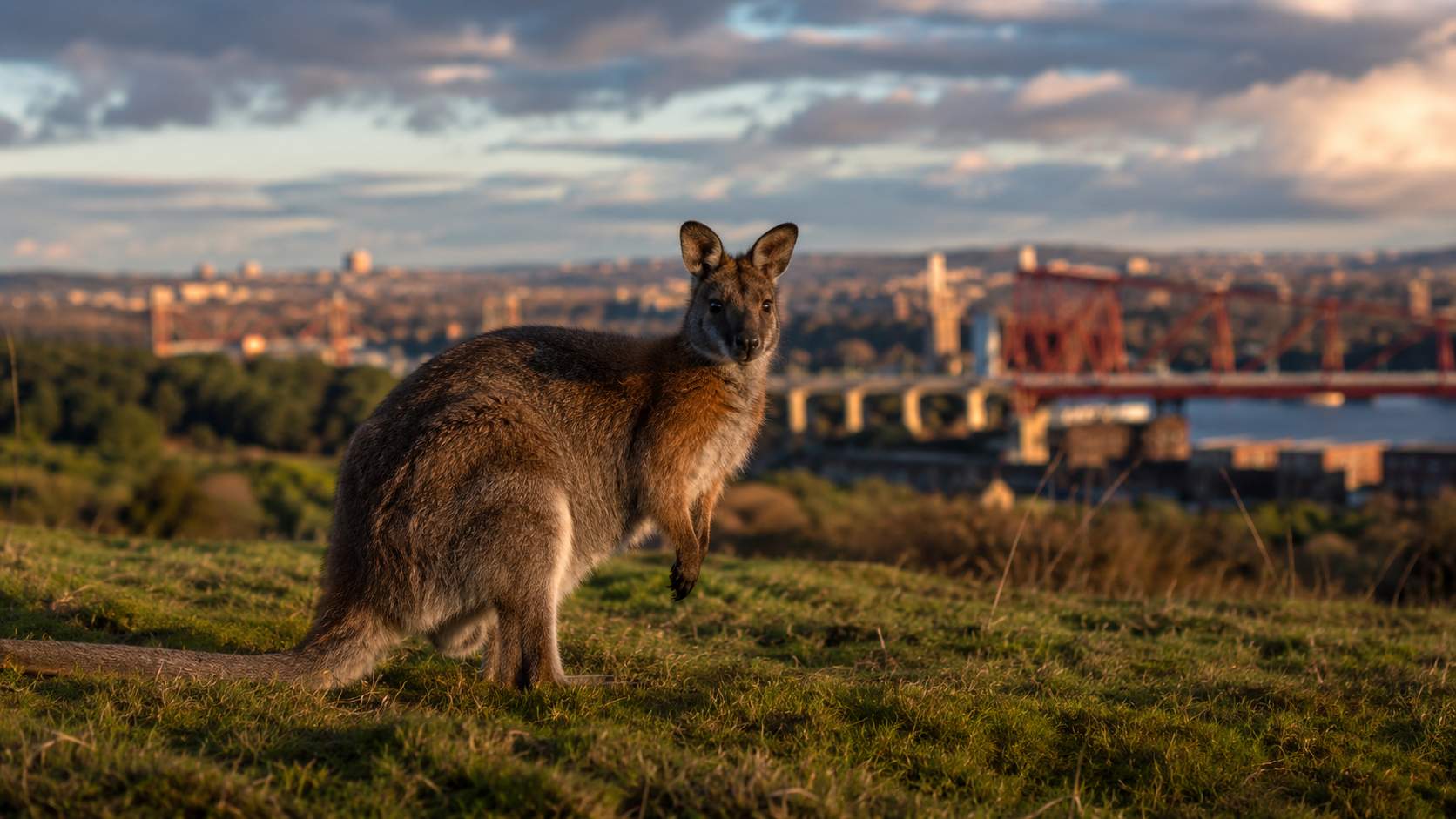
Reports of wallabies being spotted across parts of Newcastle and the wider North East continue to capture public attention, with residents often left questioning whether they really saw an Australian marsupial hopping across a field, roadside or woodland edge.
While wallabies are not native to the UK, sightings have been recorded across Britain for decades. In recent years, reports have emerged from counties including Northumberland, Yorkshire, Lancashire and Nottinghamshire, with wildlife experts suggesting that many more animals may be living in the countryside than previously believed. Recent studies have documented at least 95 confirmed wallaby sightings across Britain, although researchers believe the true figure is likely far higher due to underreporting.
For Newcastle residents, the appearance of wallabies may seem bizarre, but experts say there are several reasons why these animals occasionally appear in and around urban areas.
Why Are Wallabies Being Seen In Newcastle?.
Most wallabies found in Britain are believed to originate from escapes from wildlife parks, private collections, farms and zoos. Red-necked wallabies were first introduced to Britain more than a century ago and proved surprisingly capable of adapting to the country's climate. During the Second World War, some were deliberately released while others escaped captivity, helping establish small wild populations.
Modern sightings are often linked to individual escapees, although wildlife researchers have identified evidence of breeding populations in some areas of Britain. Reports from Northumberland and surrounding northern counties suggest that wallabies are not restricted to southern England and may be more widespread than many people realise.
The climate of northern England, including Newcastle and Tyneside, is not dramatically different from parts of Tasmania where many red-necked wallabies originate. Mild winters, available vegetation and a lack of natural predators have helped some populations survive outside their native range.
Are Wallabies Dangerous To People?.
For most residents, the answer is no.
Wallabies are naturally shy animals and generally avoid human interaction. Unlike larger kangaroo species, red-necked wallabies rarely pose a direct threat to people. Wildlife experts say aggressive encounters are uncommon and usually occur only if an animal feels cornered or threatened.
However, there are some risks associated with their presence. Drivers should remain cautious, particularly on rural roads around Newcastle's outskirts and neighbouring Northumberland countryside. Similar to deer, rabbits and foxes, wallabies can unexpectedly cross roads, creating a collision hazard.
Adult red-necked wallabies can reach lengths of approximately 90 centimetres to 105 centimetres, excluding their tail, and can weigh between 15kg and 25kg. An impact with a vehicle could cause significant damage and potentially result in injury.
Residents are advised not to approach or attempt to capture any wallaby they encounter. Instead, sightings should be reported to local wildlife organisations or relevant authorities.
Could Wallabies Harm Native Wildlife?.
The long-term environmental impact remains a subject of debate among conservationists.
Unlike some invasive species that have caused major ecological disruption in Britain, there is currently limited evidence suggesting wallabies have significantly damaged native ecosystems. Researchers studying British wallaby populations note that more investigation is needed before firm conclusions can be reached.
Nevertheless, concerns remain. Wallabies feed on grasses, rushes, sedges and other vegetation, meaning they may compete with native herbivores for food in certain habitats. On the Isle of Man, where escaped wallabies have established one of the UK's largest populations, environmental groups have raised concerns about impacts on woodland regeneration and sensitive habitats.
Conservation experts frequently point to species such as grey squirrels and muntjac deer as examples of introduced animals that appeared harmless before becoming widespread environmental challenges.
How Many Wallabies Are Living In Britain?.
Accurate numbers are difficult to determine because many sightings occur in remote areas and animals can be highly elusive.
Research published by wildlife scientists recorded 95 confirmed sightings across Britain between 2008 and 2018. Additional reports continue to emerge every year, with clusters identified in several regions.
The UK's best-known wallaby population exists on the Isle of Man, where thermal drone surveys estimated approximately 568 wallabies within a 400-hectare survey area. Some estimates suggest the wider island population could exceed 1,000 animals.
Meanwhile, breeding populations have been reported in parts of Cornwall, Wiltshire, the Chiltern Hills and other regions across Britain.
Newcastle Wildlife And Crime Statistics Residents Should Know.
Newcastle is already home to a diverse range of wildlife, including foxes, badgers, deer, hedgehogs and numerous bird species. The addition of occasional wallaby sightings only adds to the city's growing reputation for unexpected wildlife encounters.
According to recent police data, Newcastle upon Tyne records thousands of criminal incidents annually, with anti-social behaviour, vehicle offences and violent crime among the most commonly reported categories. By comparison, wildlife-related incidents remain extremely rare and wallaby sightings represent a tiny fraction of calls received by local authorities.
For residents concerned about safety, the likelihood of encountering criminal activity in an urban setting remains significantly higher than encountering a wallaby. The unusual nature of these sightings is precisely why they generate such widespread public interest.
What Should Newcastle Residents Do If They See A Wallaby?.
Anyone who spots a wallaby should observe from a safe distance and, where possible, photograph the animal. Images can help wildlife organisations verify sightings and improve understanding of how widespread these animals have become.
Researchers studying wallabies in Britain rely heavily on public reports. Every confirmed sighting contributes valuable information about population numbers, movement patterns and potential environmental impacts.
Whether the animal has escaped from a nearby collection or forms part of a small wild population, sightings provide an intriguing reminder that Britain's wildlife landscape continues to evolve in unexpected ways.
For Newcastle residents, spotting a wallaby may sound like something that belongs in the Australian Outback rather than the North East. Yet as reports continue to emerge from across Britain, the possibility of encountering one is no longer as far-fetched as it once seemed.
Have you spotted a wallaby in Newcastle or elsewhere in the North East?
Local News
Mystery of Newcastle's Wallabies Explained as Sightings Rise
Advertisement




Comments (0)
You must be logged in to post comments.
Don't have an account? Register here
No comments yet. Be the first to share your thoughts!