
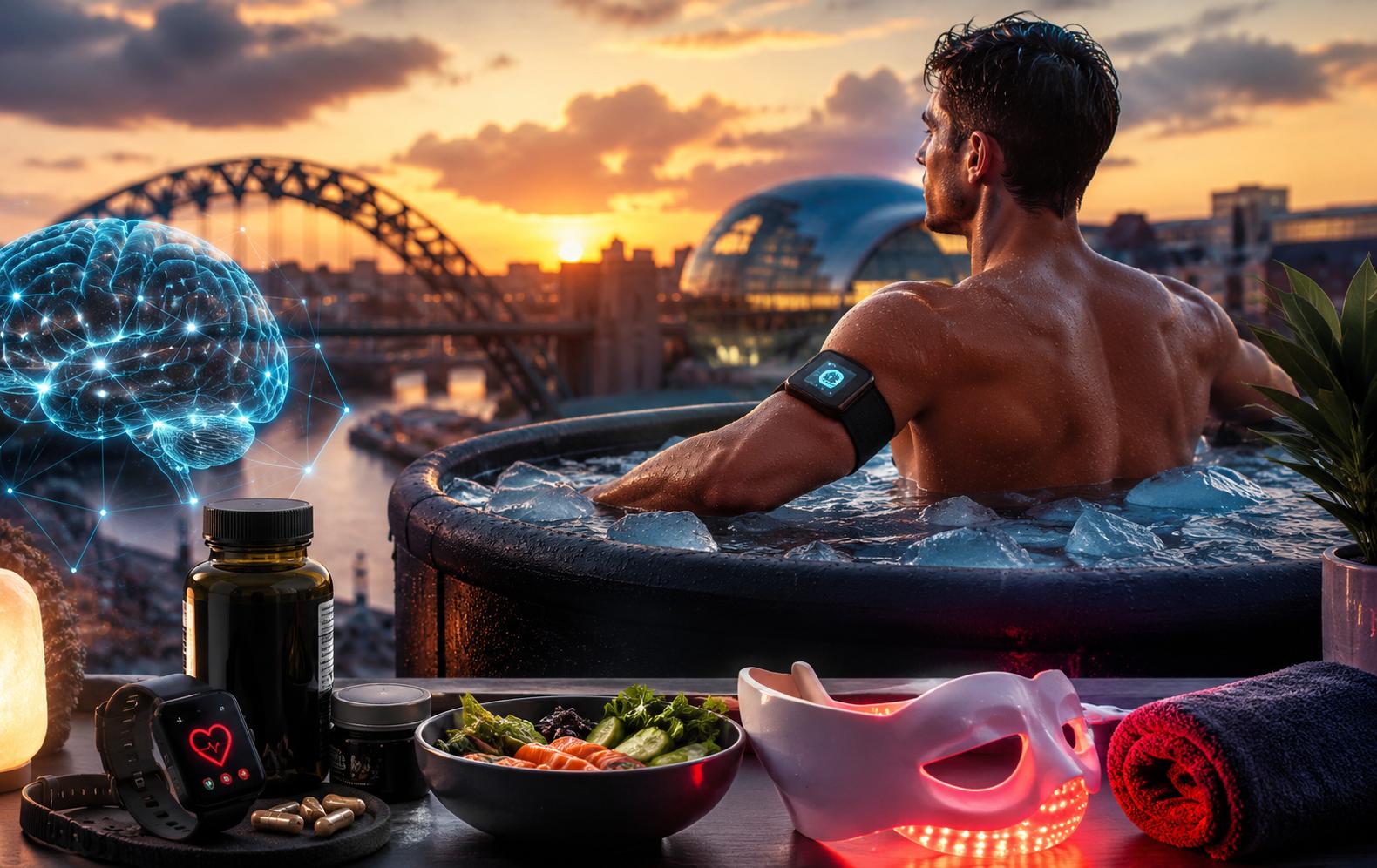
Biohacking has moved from niche online forums into mainstream wellness culture, and Newcastle is beginning to see growing interest in the trend. From cold-water therapy groups along the North East coastline to wearable technology tracking sleep and recovery, more people are experimenting with ways to improve their physical and mental performance. While supporters describe biohacking as a smarter approach to health, experts are warning that not every trend is backed by science.
What Is Biohacking.
Biohacking is a broad term used to describe lifestyle changes, technology, supplements, and routines designed to improve the body and mind. Some methods are simple and low-risk, while others can be far more extreme.
For many people, biohacking begins with everyday habits. This may include monitoring sleep patterns through smartwatches, changing diet plans to improve energy levels, or using meditation apps to reduce stress. Others take things further with fasting protocols, ice baths, red-light therapy, nootropic supplements, and advanced fitness tracking systems.
The appeal largely comes from the promise of optimization. Supporters believe small adjustments to daily routines can lead to better focus, improved fitness, increased productivity, and even longer life expectancy.
In Newcastle, local fitness communities and wellness studios have started introducing classes and services connected to these ideas. Ice bath recovery sessions, infrared sauna therapy, and breathwork workshops have all become increasingly visible across the city over the past year.
Why People Are Turning To Biohacking.
The growing popularity of biohacking reflects a wider shift in how people approach health. Many individuals are no longer waiting until they become unwell before making changes. Instead, they are looking for preventative ways to improve performance and wellbeing.
Social media has played a major role in the trend. Platforms like TikTok, YouTube, and Instagram are filled with influencers promoting morning routines, wearable devices, and supplement stacks aimed at improving health. High-profile entrepreneurs and athletes have also helped push biohacking into the spotlight by openly discussing their own routines.
For younger adults in Newcastle, the trend appears closely connected to fitness and productivity culture. Local gym owners say more members are asking about recovery tracking, sleep quality, and nutritional optimization rather than simply focusing on weight loss.
There is also a growing interest in mental performance. Professionals working long hours are increasingly exploring techniques designed to improve concentration, reduce fatigue, and manage stress levels. Practices such as intermittent fasting and mindfulness training are now often grouped under the biohacking label, even though many have existed for decades.
The Potential Benefits Of Biohacking.
Supporters argue that biohacking can encourage healthier lifestyles when approached responsibly. Some practices are supported by scientific evidence and align with traditional medical advice.
Improving sleep quality is one of the most commonly reported benefits. Wearable technology can help users identify poor sleeping habits, leading to changes in bedtime routines, caffeine intake, or screen use before bed. Better sleep has been linked to improved mood, stronger immune function, and higher energy levels.
Exercise recovery is another major focus. Cold-water immersion and sauna therapy have become increasingly popular among athletes and gym-goers. Some studies suggest these methods may help reduce muscle soreness and improve circulation after intense physical activity.
Nutrition tracking has also become easier through mobile apps and digital health tools. Many people say monitoring calorie intake, hydration, and nutrient levels helps them make more informed decisions about their diet.
Mental wellbeing is another area where users claim positive results. Meditation, controlled breathing exercises, and reduced screen exposure are all commonly included in biohacking routines aimed at lowering stress and improving concentration.
Healthcare professionals generally support habits that encourage regular exercise, balanced diets, and better sleep. However, they also stress the importance of avoiding unverified health claims.
The Risks Behind The Trend.
Despite the growing popularity of biohacking, experts warn there are significant risks when trends are followed without proper guidance.
One of the biggest concerns involves supplements and unregulated products marketed online. Some nootropic supplements claim to improve focus and memory, but medical professionals say evidence can be limited. In some cases, products may contain ingredients that interact poorly with medication or cause unwanted side effects.
Extreme fasting routines have also raised concerns. While intermittent fasting can work safely for some individuals, restrictive eating patterns may lead to nutritional deficiencies or unhealthy relationships with food if not managed correctly.
Another issue is the spread of misinformation online. Social media platforms often promote dramatic transformation stories without scientific evidence. Health experts warn that people may spend large amounts of money on products or treatments that deliver little real benefit.
Mental health specialists have also expressed concern that constant self-monitoring can create anxiety. Tracking every calorie, heartbeat, or sleep cycle may lead some individuals to become overly focused on perfection rather than overall wellbeing.
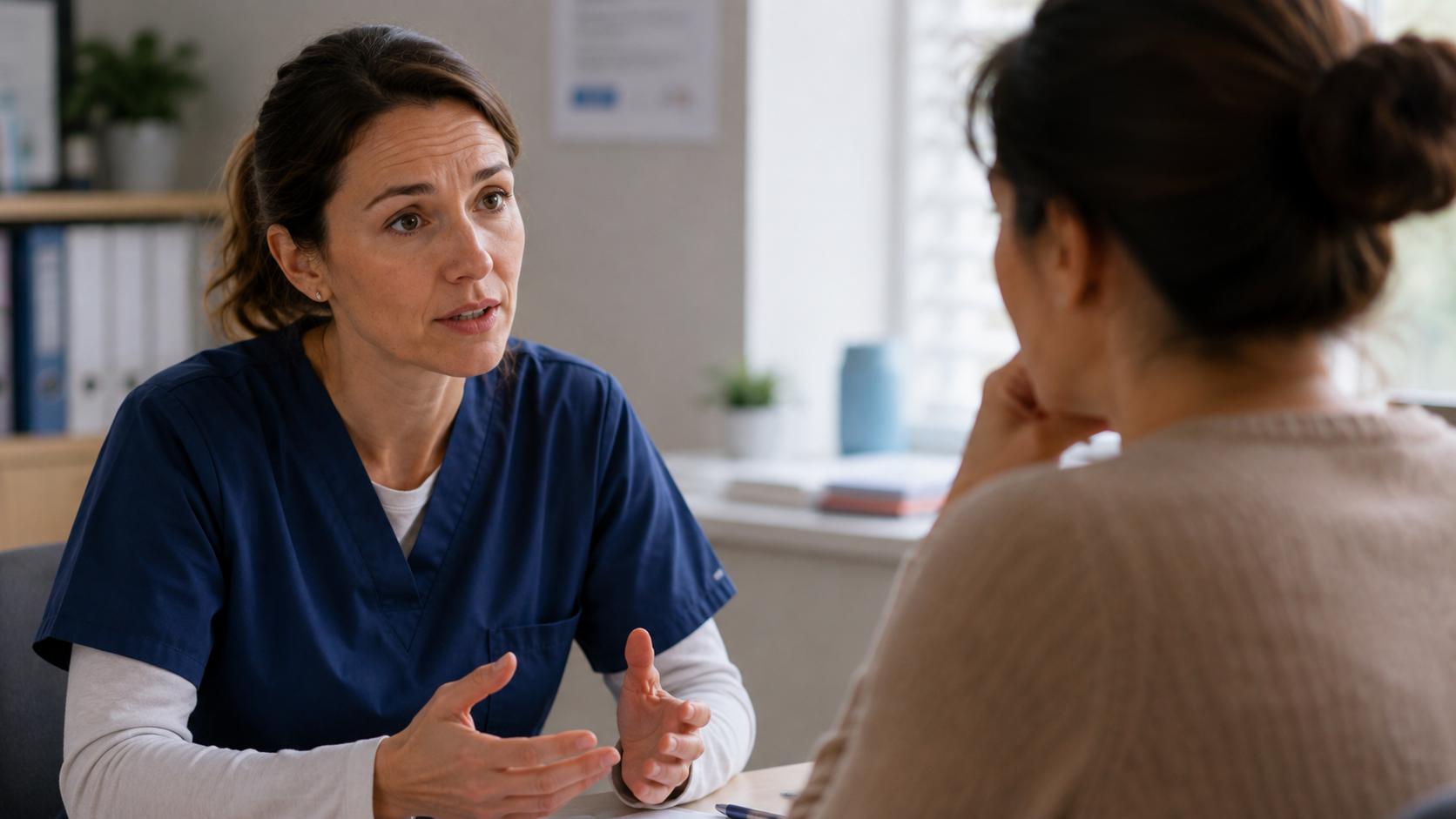
Doctors continue to encourage people to seek professional advice before starting extreme diets, supplements, or experimental health treatments.
Newcastle Wellness Communities Embrace The Movement.
Newcastle has quietly developed a growing wellness scene connected to biohacking culture. Several fitness studios and recovery centres across the city now offer services such as cold plunges, infrared saunas, and guided breathwork sessions.
Coastal swimming groups around Tynemouth and Whitley Bay have also attracted attention in recent months. Many participants describe cold-water swimming as a natural way to improve mood, resilience, and recovery. While cold exposure has become closely associated with modern biohacking culture, local swimmers say the practice has been popular in the North East long before the term existed.
Wearable fitness technology is also becoming increasingly common among runners and cyclists in Newcastle. Devices capable of tracking heart rate variability, sleep quality, and recovery scores are now widely used by both amateur and professional athletes.
Several Newcastle nutritionists and personal trainers say clients are showing greater interest in long-term health optimization rather than short-term fitness goals. However, many also emphasize the importance of evidence-based advice rather than following viral online trends.
Experts Urge A Balanced Approach.
Health professionals continue to stress that biohacking should not replace traditional medical care. While some habits linked to the trend can encourage healthier living, experts warn against treating social media personalities as medical authorities.
Many doctors believe the safest approach involves focusing on fundamentals such as consistent sleep, regular exercise, hydration, balanced nutrition, and stress management. These areas remain far more important than expensive gadgets or experimental treatments.
The interest in biohacking also reflects a wider public desire for greater control over personal health. In a fast-moving world where stress, poor sleep, and burnout are increasingly common, many people are searching for ways to feel healthier and more energized.
For Newcastle residents, the trend appears likely to continue growing as wellness culture expands across gyms, recovery centres, and online communities. The challenge will be separating genuinely helpful habits from marketing hype.
As biohacking becomes more mainstream, experts say education and moderation will be key. Approached carefully, some techniques may support healthier lifestyles. Taken too far, however, the pursuit of optimization could create more problems than it solves.
What do you think about the rise of biohacking in Newcastle and across the UK? Share your thoughts and experiences in the comments below.
Health News
Newcastle Biohacking Trend Raises Questions Over Health and Safety
Advertisement


Comments (0)
You must be logged in to post comments.
Don't have an account? Register here
No comments yet. Be the first to share your thoughts!