
For most people, Newcastle remains one of the UK's most vibrant cities. Its nightlife, cultural attractions, universities and thriving city centre continue to attract visitors from across the country. Yet when the sun goes down, many residents admit there are certain streets and areas they would rather avoid.
A growing number of local discussions on social media, community forums and neighbourhood groups reveal concerns about anti-social behaviour, theft, violent crime and public disorder in specific parts of the city. While Newcastle is generally regarded as a safe place to live compared with many major urban centres, residents say there are still locations where extra caution is advised after dark.
Recent crime data shows Newcastle continues to experience higher crime rates than the national average, particularly in categories such as violence, anti-social behaviour and theft. Understanding where concerns exist and why residents remain cautious can help both locals and visitors stay informed.
Which Newcastle Streets And Areas Do Residents Mention Most Often?
While opinions vary depending on personal experience, several locations consistently appear in conversations about areas people avoid at night.
Residents frequently mention sections of:
Westgate Road
Shields Road in Byker
Benwell Lane
Parts of Elswick
Areas surrounding Newcastle Central Station late at night
Certain stretches of Scotswood Road
Some parts of Walker and Walkergate
It is important to note that these are not inherently dangerous streets at all times. Thousands of people pass through them daily without incident. However, residents often cite concerns about anti-social behaviour, public intoxication, street crime and isolated incidents that have shaped local perceptions.
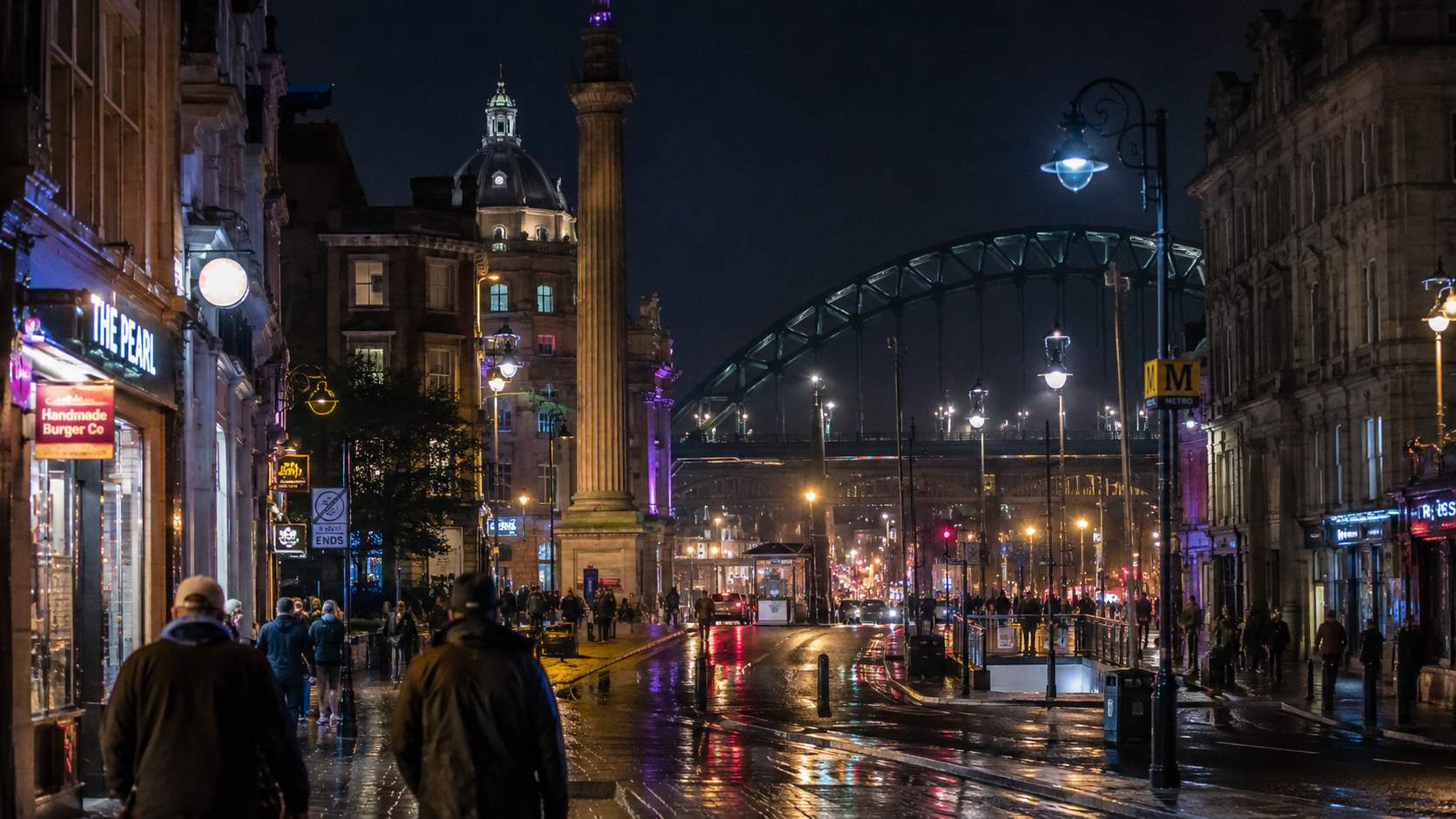
Newcastle City Centre After Dark.
The city centre presents a unique challenge because it is simultaneously one of Newcastle's busiest and safest areas due to high footfall, yet also records some of the city's highest crime volumes.
Crime mapping data shows Newcastle Central regularly experiences some of the highest recorded crime levels in the city due to its concentration of bars, clubs, shops and transport hubs. Areas around Grey's Monument, Grainger Street and Central Station naturally generate more police reports because of the sheer number of people using them daily.
Residents say the biggest concerns are often linked to alcohol-related incidents during weekends, particularly between midnight and 4am. Some locals report avoiding side streets branching away from the main nightlife routes once crowds begin to disperse.
Despite these concerns, Newcastle City Council has reported reductions in crime through initiatives such as the City Safe project, which brings together police officers, council staff and city centre patrol teams.
Why Westgate Road Continues To Be Mentioned.
Westgate Road is one of Newcastle's longest roads and passes through several very different neighbourhoods.
Residents often stress that not all sections of the road are problematic. However, certain stretches have developed a reputation for anti-social behaviour, shoplifting, vehicle crime and occasional violent incidents.
The road's mix of commercial premises, late-night businesses and residential housing means police are frequently called to various incidents. Locals say perceptions of safety can vary dramatically depending on the exact location and time of day.
Property experts note that regeneration projects have improved several parts of the corridor in recent years, but some long-standing concerns remain among residents.
Byker And Shields Road Concerns.
Byker has undergone significant regeneration over the years and remains home to strong community networks. However, some residents still mention parts of Shields Road when discussing areas they avoid after dark.
The concerns most frequently raised include anti-social behaviour, vandalism and occasional street disorder. Student guides and crime analysis reports regularly identify parts of Byker as areas where people should remain aware of their surroundings during late-night hours.
Many residents point out that daytime activity in Byker is very different from perceptions of the area after dark. Local businesses continue to attract customers, and many community-led projects have helped improve the area's reputation.
Benwell And Elswick Remain Frequent Topics.
Benwell and Elswick are among Newcastle's most discussed neighbourhoods when residents talk about safety concerns.
These communities face many of the same challenges experienced by urban areas across Britain, including deprivation, anti-social behaviour and higher levels of reported crime. Recent national headlines also brought attention to the area following a fatal house explosion in Benwell.
Residents often mention avoiding isolated streets in these areas late at night, particularly if they are unfamiliar with the neighbourhood. However, community leaders frequently stress that the vast majority of residents are law-abiding and actively working to improve local conditions.
What The Crime Statistics Show.
The latest available crime data suggests Newcastle experiences a crime rate significantly above the UK average.
Data published for Newcastle upon Tyne showed a crime rate of approximately 11.1 crimes per 1,000 residents in December 2024, around 56% higher than the national average for the same period. Violence and sexual offences represented the largest category, accounting for more than 32% of reported crimes. Anti-social behaviour represented over 16% of offences.
Across the wider city, the annual crime rate has been estimated at approximately 122 crimes per 1,000 residents, with violence and sexual offences remaining the most frequently reported category.
Meanwhile, Northumbria Police recorded an overall crime rate of around 74 crimes per 1,000 people across its force area during the year ending March 2026. Violence and sexual offences remained the most common crime type.
The Crimes Residents Worry About Most.
When Newcastle residents discuss safety after dark, several crime categories repeatedly emerge.
Violence and sexual offences remain the most commonly reported concern. Across Newcastle, more than 11,000 such offences have been recorded in recent reporting periods.
Other concerns include:
Anti-social behaviour
Shoplifting
Public order offences
Vehicle crime
Burglary
Theft from the person
Theft from the person is particularly relevant in nightlife districts, where crowded environments can create opportunities for opportunistic criminals.
Why Perception And Reality Often Differ.
Crime statistics tell only part of the story.
Areas with large shopping districts, transport hubs and nightlife venues often record higher crime figures simply because more people pass through them every day. A city centre location may record hundreds of incidents annually while still being statistically safe for the vast majority of visitors.
Experts often highlight the difference between crime volume and individual risk. Residents may avoid a street because of a highly publicised incident, even if overall crime levels have fallen.
In Newcastle's case, city centre crime reduction programmes and increased police visibility have contributed to improving safety perceptions in several areas.
Safety Tips For Residents And Visitors.
Local residents who regularly travel around Newcastle at night often share similar advice.
Sticking to well-lit routes, travelling with friends where possible and remaining aware of surroundings are among the most common recommendations.
Many also suggest using licensed taxis after a night out, particularly when travelling through unfamiliar areas. Smartphone navigation apps can help identify safer routes and avoid isolated streets.
Police data consistently shows that many crimes occur during late-night weekend periods when alcohol consumption is at its highest. Planning journeys in advance remains one of the simplest ways to reduce risk.
Residents Say Awareness Matters More Than Fear.
Despite concerns about specific streets and neighbourhoods, most Newcastle residents agree the city remains a welcoming place to live, work and socialise.
The streets people avoid after dark often reflect personal experiences, local reputation and isolated incidents rather than everyday reality. Crime remains an issue that authorities continue to tackle, but Newcastle's strong communities, ongoing regeneration and policing initiatives are helping shape a safer future.
For residents, awareness rather than fear appears to be the common message. Knowing where extra caution may be required allows people to enjoy everything the city has to offer while staying safe.
Share your views.
Are there any Newcastle streets you avoid after dark, or do you believe some areas have an unfair reputation?
Community News
Residents Reveal Newcastle Areas They Wouldn't Visit At Night
Advertisement



Comments (0)
You must be logged in to post comments.
Don't have an account? Register here
No comments yet. Be the first to share your thoughts!