
Newcastle is known around the world for its rich industrial past, striking Victorian architecture and historic streets that tell the story of the North East. From medieval churches to grand country houses, the city is home to hundreds of listed buildings that help define its identity. However, not every landmark is thriving. Several important sites remain on Historic England's Heritage at Risk Register, highlighting the urgent need for investment before these pieces of Newcastle's history are lost forever.
While new developments continue to reshape parts of the city, conservation groups, local authorities and volunteers are working to ensure Newcastle's architectural heritage is not forgotten. Protecting these buildings is about more than preserving bricks and stone. It is about safeguarding the stories, communities and industries that shaped Tyneside.
What Is The Heritage At Risk Register.
Historic England's Heritage at Risk Register identifies listed buildings, scheduled monuments, parks, gardens, places of worship and conservation areas considered vulnerable because of neglect, decay or other threats. The register is updated annually and helps direct funding and attention towards sites that need it most.
Across England, thousands of heritage assets are currently considered at risk. Historic England's latest figures show there are more than 2,000 scheduled monument entries on the register, alongside hundreds of listed buildings, places of worship and historic parks requiring protection.
These statistics underline the scale of the challenge facing heritage organisations across the country, including in Newcastle.
Woolsington Hall Remains One Of Newcastle's Biggest Challenges.
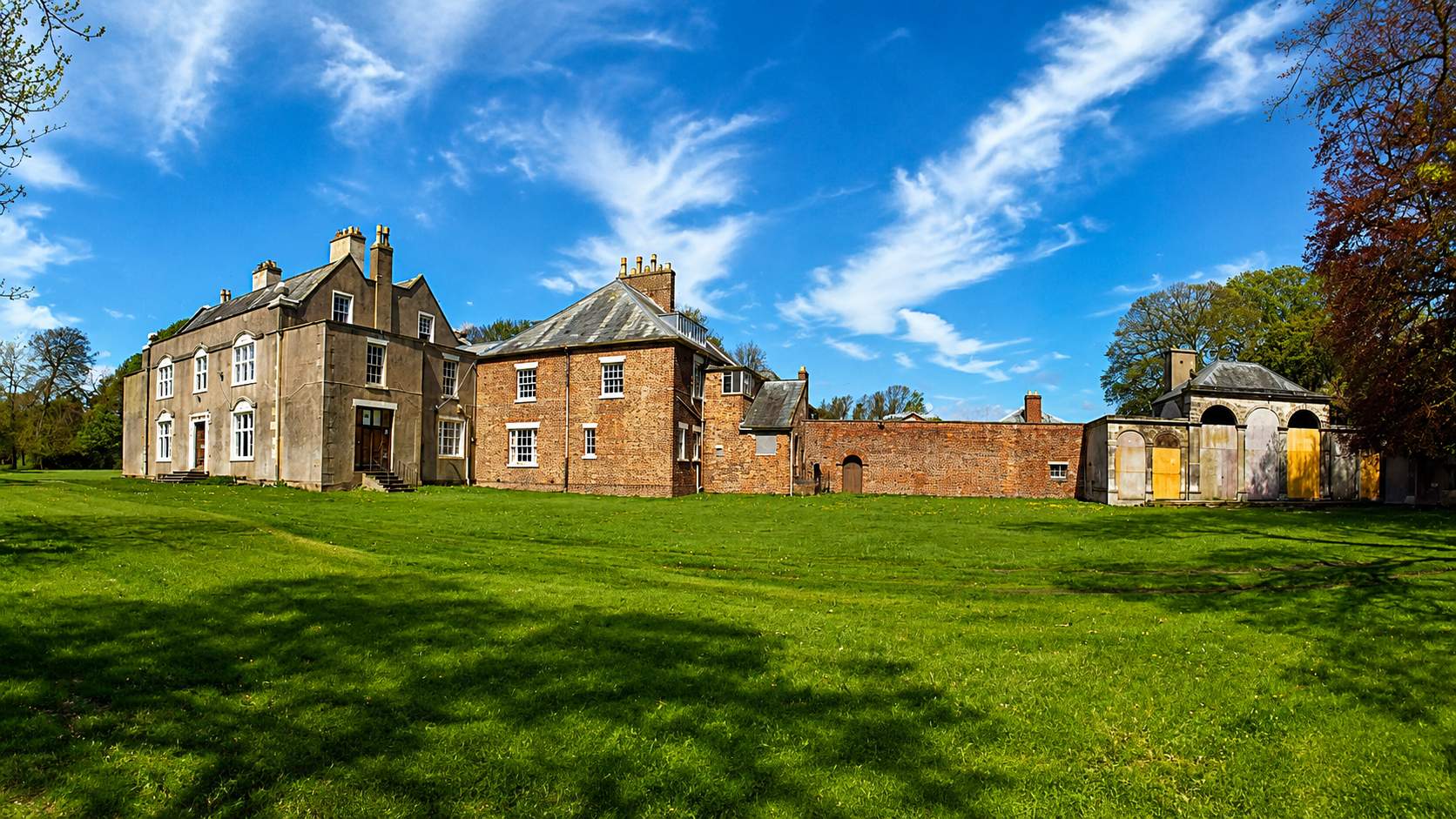
Perhaps no building better illustrates Newcastle's heritage challenges than Woolsington Hall.
Located close to Newcastle International Airport, the Grade II* listed country house dates back to the 17th century. Once surrounded by impressive landscaped grounds, the hall has suffered decades of neglect and significant fire damage. It has appeared on Historic England's Heritage at Risk Register since 2002 and requires extensive restoration before it can be safely brought back into use.
Despite several redevelopment proposals over the years, a long-term solution has remained difficult to achieve. Heritage experts continue to hope that investment can eventually secure the building's future.
Gibson Street Baths Highlight Victorian Newcastle.
Another landmark attracting national attention is Gibson Street Baths.
Built during Newcastle's Victorian expansion, the public baths played an important role in improving public health and later even supported emergency services during the Second World War. In 2025, the building was included on the Victorian Society's list of the UK's ten most endangered historic buildings, drawing renewed attention to its deteriorating condition.
Campaigners believe the baths could once again become an important community asset if funding can be secured for restoration.
Heritage Brings Economic Benefits.
Preserving historic buildings is not simply about protecting the past. Heritage tourism also plays an important role in local economies.
Historic England has repeatedly highlighted that bringing historic buildings back into active use helps support local businesses, creates skilled jobs and strengthens community pride. Successful regeneration projects often attract visitors, encourage private investment and breathe new life into neglected neighbourhoods.
Across Newcastle, landmarks such as Grainger Town demonstrate how restoration can transform city centres while maintaining their historic character.
Newcastle's Heritage By The Numbers.
Several statistics help explain why protecting Newcastle's historic environment matters.
Newcastle City Council previously identified 11 listed buildings, two registered parks and gardens, two scheduled monuments and one registered battlefield as being officially at risk within the city, alongside its own monitoring programme for locally significant Grade II buildings.
Nationally, Historic England reports that around 3.5 percent of Grade I and Grade II* listed buildings are currently considered at risk. Approximately 11 percent of England's scheduled monuments also appear on the register, while about 6 percent of registered parks and gardens require attention.
These figures demonstrate both the importance of conservation work and the continuing pressures facing many historic sites.
Why Saving Newcastle's Heritage Matters.
Every historic building tells part of Newcastle's story. Whether it reflects the city's maritime past, industrial success or architectural innovation, each landmark connects modern communities with previous generations.
Losing these buildings would mean losing part of the city's identity. Fortunately, many heritage projects across the North East have shown that restoration is possible when councils, charities, businesses and local residents work together.
As Newcastle continues to grow, balancing modern development with the preservation of historic buildings will remain one of the city's biggest planning challenges. The hope is that more of today's at-risk landmarks can become tomorrow's success stories, ensuring future generations can continue to enjoy the rich heritage that makes Newcastle one of Britain's most distinctive cities.
For details or more at-risk buildings in Newcastle and the North East, you can search the Heritage at Risk Register.
Have your say.
Which Newcastle building do you believe deserves to be saved first?
Newcastle History
Newcastle Heritage Buildings Fighting for Survival
Advertisement


Comments (0)
You must be logged in to post comments.
Don't have an account? Register here
No comments yet. Be the first to share your thoughts!