
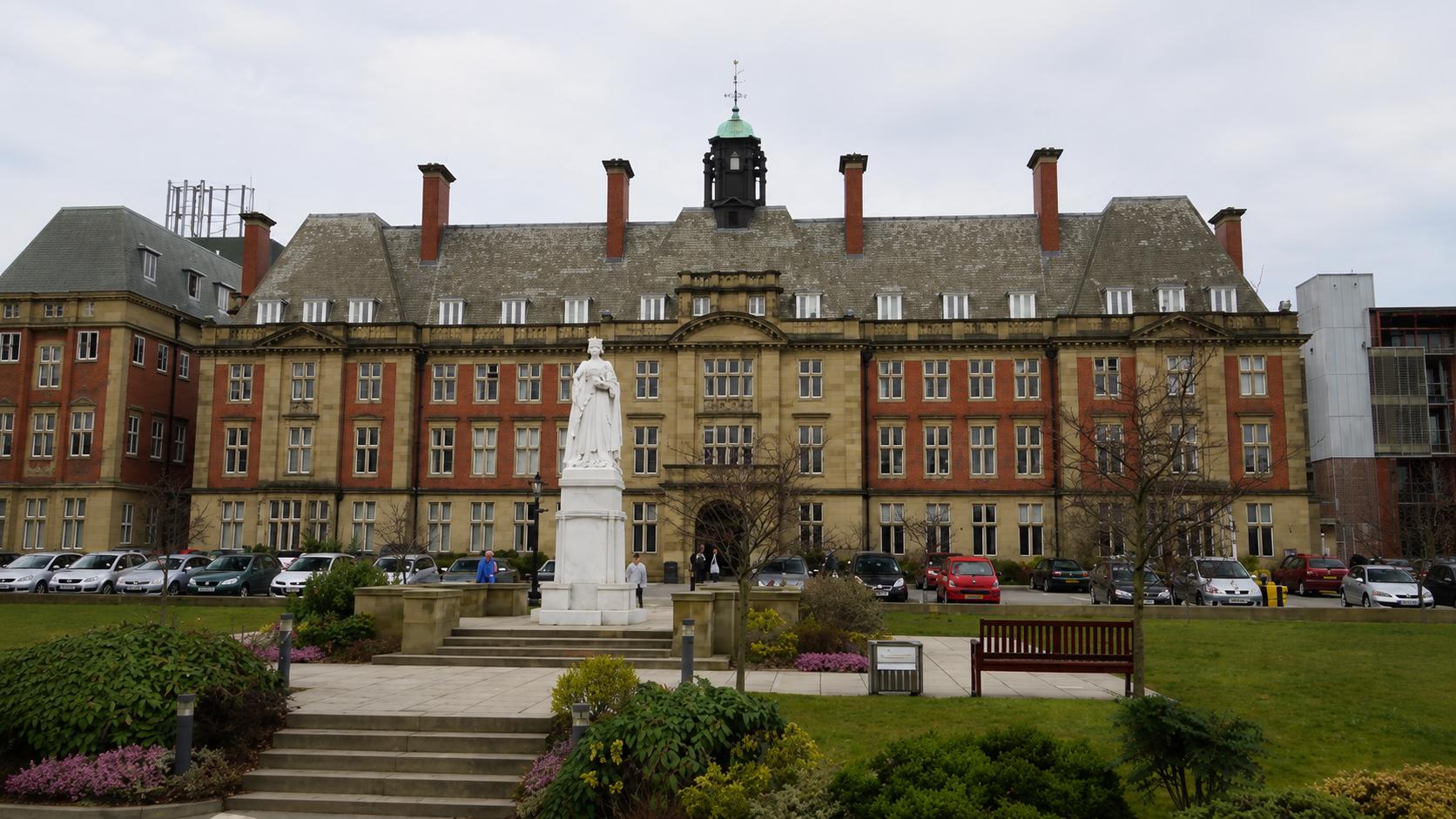
In the days before the welfare state and free healthcare for all, the care of the sick poor depended on charity, and one of the most important expressions of that charity was the voluntary hospital. The old Newcastle Infirmary, founded in the eighteenth century, was a fine example of this movement, a hospital established and funded by the charitable to care for those who could not afford treatment. The story of the voluntary hospitals is an important and inspiring part of the history of healthcare in the region.
A New Idea.
The voluntary hospital movement arose in the eighteenth century, when charitable individuals across the country came together to establish hospitals for the care of the sick poor. These hospitals were funded not by the state but by the voluntary donations and subscriptions of the public, and they were dedicated to providing free treatment to those who could not afford to pay. The idea reflected a growing sense of charitable responsibility and a concern for the welfare of the poor, and it led to the establishment of voluntary hospitals in towns and cities across the country. The movement transformed the provision of healthcare, bringing treatment within reach of those who had previously had little access to it.
The Founding of the Infirmary.
The old Newcastle Infirmary was founded in the middle of the eighteenth century, established through the efforts of local people who recognised the need for a hospital to care for the sick poor of the town. Led by a local surgeon and supported by charitable subscribers, the infirmary was built on a site at Forth Banks, where it would serve the community for many years. The founding of the infirmary was an important moment in the history of healthcare in the region, bringing organised hospital care to Newcastle for the first time. It reflected the same spirit of charity and concern for the poor that drove the voluntary hospital movement across the country.
Funded by Subscription.
The old infirmary, like other voluntary hospitals, was funded by the subscriptions and donations of the charitable. Wealthy individuals and others contributed regular subscriptions or one-off donations to support the hospital, and in return they often gained the right to recommend patients for treatment. This system of funding by subscription was the foundation of the voluntary hospital movement, relying on the generosity of the public to sustain the work of caring for the sick poor. The willingness of people to give to support the infirmary reflected the strong tradition of charitable giving and the importance that the community attached to the care of the less fortunate.
Caring for the Sick Poor.
The primary purpose of the old infirmary was to provide care and treatment for the sick poor, those who could not afford to pay for medical attention. In an age when medical treatment was beyond the means of many, the voluntary hospital offered a vital lifeline, providing free care to those in need. The infirmary treated a wide range of conditions, offering the medical and surgical care of the day to patients who would otherwise have gone without. For the poor of Newcastle, the infirmary was an institution of great importance, a place where they could receive treatment that they could not otherwise have obtained, and its work made a real difference to the health of the community.
A Place of Progress.
The old infirmary was not only a place of care but a place of medical progress and learning. As one of the principal medical institutions of the region, it was a setting in which the practice of medicine developed and in which medical knowledge was advanced and taught. The hospital provided opportunities for the training of doctors and the development of medical practice, contributing to the advancement of healthcare in the region. Over its long history, the infirmary witnessed many developments in medicine and surgery, and it played an important part in the progress of medical science and education in the North East.
The Spirit of the Voluntary Hospital.
The voluntary hospitals, including the old Newcastle Infirmary, embodied a particular spirit of charity, community and self-help. They were created and sustained by the voluntary efforts of the community, reflecting a belief that the care of the sick poor was a charitable duty and a communal responsibility. This spirit of voluntary giving and charitable concern was at the heart of the movement, and it represented an admirable response to the needs of the poor in an age before the welfare state. The voluntary hospitals were a testament to the generosity and the social conscience of the communities that created them, and they did an enormous amount of good.
A Lasting Legacy.
The old Newcastle Infirmary and the voluntary hospital movement of which it was part are an important and inspiring chapter in the history of healthcare in the region. Founded by charity and dedicated to the care of the sick poor, the voluntary hospitals brought organised medical care to the community and laid the foundations for the healthcare system of later times. Though the world has changed and the voluntary hospitals have given way to other arrangements, the legacy of their work and the spirit of charity that animated them endure. They remind us of a time when the care of the sick depended on the generosity of the community, and of the good that such generosity could achieve.
The Birth of Organised Healthcare.
The voluntary hospital movement, of which the old Newcastle Infirmary was a part, marked an important stage in the development of organised healthcare, laying foundations on which later systems would build. Before the voluntary hospitals, the provision of medical care had been haphazard and limited, with little in the way of organised institutions for the treatment of the sick. The voluntary hospitals brought a new degree of organisation to healthcare, creating institutions dedicated to the treatment of the sick and staffed by medical professionals, and establishing the hospital as a central institution in the provision of care. This development was a significant advance, introducing a more systematic and organised approach to the treatment of illness. The voluntary hospitals also became centres of medical education and the advancement of medical knowledge, contributing to the progress of medicine as well as the care of the sick. In these ways, the voluntary hospital movement helped to lay the foundations of the modern healthcare system, establishing the hospital as a key institution and introducing a more organised approach to the provision of care. The old Newcastle Infirmary, as part of this movement, played its part in this important development, bringing organised hospital care to the region and contributing to the advancement of medicine. The legacy of the voluntary hospitals can be seen in the healthcare system that developed from them, and their contribution to the birth of organised healthcare was significant and lasting. They represent an important chapter in the long development of the institutions and arrangements through which the health of the people is now provided for and protected.
Join the conversation.
The old Newcastle Infirmary was founded by charity to care for the sick poor who could not afford treatment.
What do you think we can learn from the charitable spirit of the old voluntary hospitals?
Health News
Charity and Care: The Old Infirmary and the Voluntary Hospitals
A look at the old Newcastle Infirmary and the voluntary hospital movement, founded by charity to care for the sick poor before free healthcare for all.
Advertisement





Comments (0)
You must be logged in to post comments.
Don't have an account? Register here
No comments yet. Be the first to share your thoughts!