
Behind every great hospital and every advance in medicine stand the nurses whose dedicated care has comforted and healed the sick for generations. The history of nursing in the North East is a story of compassion, professionalism and devoted service, and few figures embody it better than the district nurse, who carried care directly into the homes and communities of the region. The contribution of nurses to the health and wellbeing of the people has been immense and deserves to be celebrated.
The Rise of Professional Nursing.
For much of history, the care of the sick was carried out by family members or by untrained attendants, and nursing was not regarded as a skilled profession. This changed over the course of the nineteenth century, as nursing was transformed into a respected and professional vocation, with proper training, standards and organisation. The reform of nursing, led by pioneering figures, established it as a skilled and honourable profession, and it brought a new standard of care to the sick. This transformation was one of the great developments in the history of healthcare, and it laid the foundations for the modern nursing profession on which our health depends.
Training the Nurses.
As nursing became a profession, the proper training of nurses became a matter of great importance. Schools of nursing were established, often attached to hospitals, where nurses received instruction and gained the knowledge and skills needed for their work. The hospitals of the North East, including its great infirmaries, became centres for the training of nurses, preparing generations of women for the demanding and vital work of caring for the sick. This training instilled the professional standards and the practical skills that distinguished the trained nurse, and it ensured a supply of capable and dedicated nurses to care for the sick of the region. The training of nurses was a vital part of the development of healthcare.
The District Nurse.
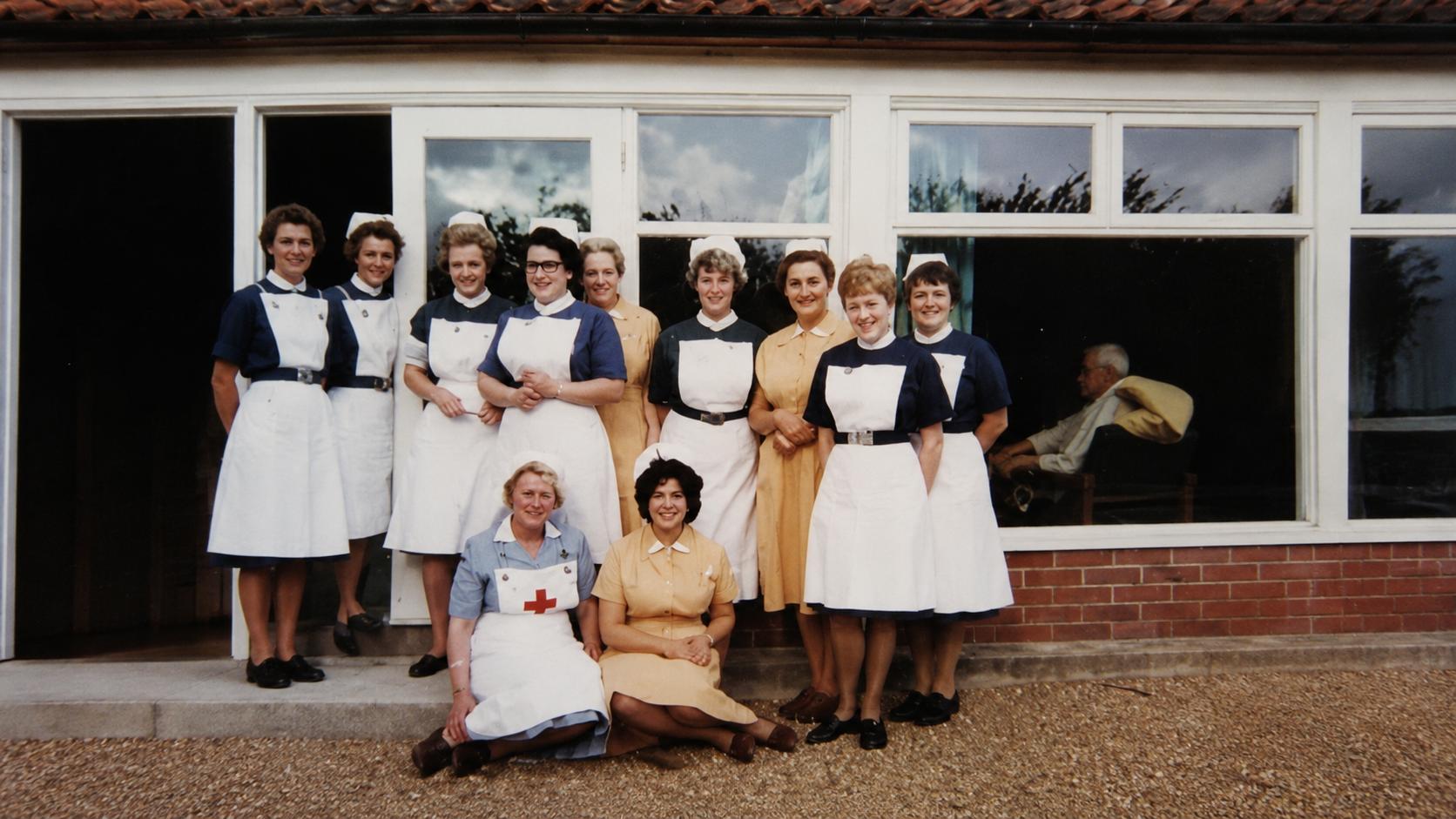
One of the most beloved figures in the history of nursing was the district nurse, who carried care directly into the homes and communities of the region. Rather than waiting for patients to come to hospital, the district nurse went out to them, visiting the sick in their own homes, often in the poorest neighbourhoods, to provide care and treatment. A familiar sight on her bicycle, with her bag of equipment, the district nurse brought skilled care to those who might otherwise have gone without, tending the sick, supporting families and providing comfort and treatment. The district nurse was a vital part of the healthcare of the community, bringing care to the doorstep of those in need.
Care in the Community.
The work of the district nurse was an early and important form of community healthcare, bringing nursing care out of the hospital and into the homes and neighbourhoods of the region. This was care delivered where people lived, among the realities of their daily lives, and it reached those who were unable or unwilling to attend hospital. The district nurse tended the sick, cared for mothers and babies, dressed wounds, gave treatment and offered advice and support, all within the community she served. This model of community care was of great value, ensuring that the benefits of nursing reached into the homes of ordinary people and that care was available to all who needed it.
A Trusted Figure.
The district nurse became a trusted and respected figure in the communities she served, known and valued by the people whose health she tended. Visiting the same neighbourhoods over many years, the district nurse came to know the families in her care and to be regarded with affection and respect. She was a source of help and reassurance in times of illness and difficulty, a familiar and welcome presence whose knowledge and care were relied upon by the community. The trust and affection in which district nurses were held reflected the vital role they played and the dedication with which they served, and they hold a cherished place in the memory of the communities they cared for.
A Vocation of Compassion.
Nursing, in all its forms, has always been a vocation of compassion, demanding not only skill and knowledge but kindness, patience and dedication. The nurses who have cared for the sick of the region over the generations have given of themselves in the service of others, comforting the suffering, tending the sick and easing the passage of the dying. Theirs is a demanding and often difficult calling, requiring both professional competence and profound human compassion. The dedication of nurses to the care of the sick, often in difficult circumstances and for little reward, is one of the most admirable features of the history of healthcare, and it deserves the deepest respect and gratitude.
A Proud Tradition.
The history of nursing in the North East is a proud tradition of compassion, professionalism and devoted service. From the rise of professional nursing to the beloved figure of the district nurse, the nurses of the region have brought skilled and compassionate care to countless people, in the hospital and in the home. Their contribution to the health and wellbeing of the community has been immense, and their dedication to the care of the sick is a shining example of service to others. The nurses of the region, past and present, deserve to be celebrated and honoured for the vital and compassionate work they have done, and continue to do, in the service of the people.
The Heart of Healthcare.
For all the advances in medicine and the achievements of doctors and surgeons, it is the nurses who provide the constant, intimate care on which the recovery and comfort of patients so often depend, and in this sense nursing lies at the very heart of healthcare. The nurse is the one who is present hour by hour, tending to the needs of the sick, providing the care, comfort and reassurance that are essential to healing and that ease the suffering of illness.
This constant, hands-on care is fundamental to the treatment of the sick, and it is the nurses who provide it, often in difficult and demanding circumstances. The importance of nursing to the wellbeing of patients can hardly be overstated, for it is the care and attention of the nurse that sustains the patient through illness and supports the work of treatment and recovery.
The compassion, skill and dedication that nurses bring to their work make a profound difference to the experience and the recovery of patients, and the human warmth they provide is as important as the practical care. In recognising the contribution of nurses to healthcare, we acknowledge the central importance of care and compassion in the treatment of the sick, and the vital role of those who provide the constant attention on which patients depend.
The nurses of the region, past and present, who have devoted themselves to the care of the sick, embody the compassion and dedication that lie at the heart of healthcare, and their contribution deserves the deepest recognition and gratitude. They are, in a very real sense, the heart of the healthcare on which we all depend.
Have your say.
Nurses, and the beloved district nurse in particular, have brought compassionate care to the region for generations.
Do you have a local district nurse growing up that you remember fondly?
Health News
Angels of the Streets: The History of Nursing and the District Nurse
A celebration of the history of nursing in the North East, from the rise of professional nursing to the beloved district nurse who carried care to the home.
Advertisement





Comments (0)
You must be logged in to post comments.
Don't have an account? Register here
No comments yet. Be the first to share your thoughts!