
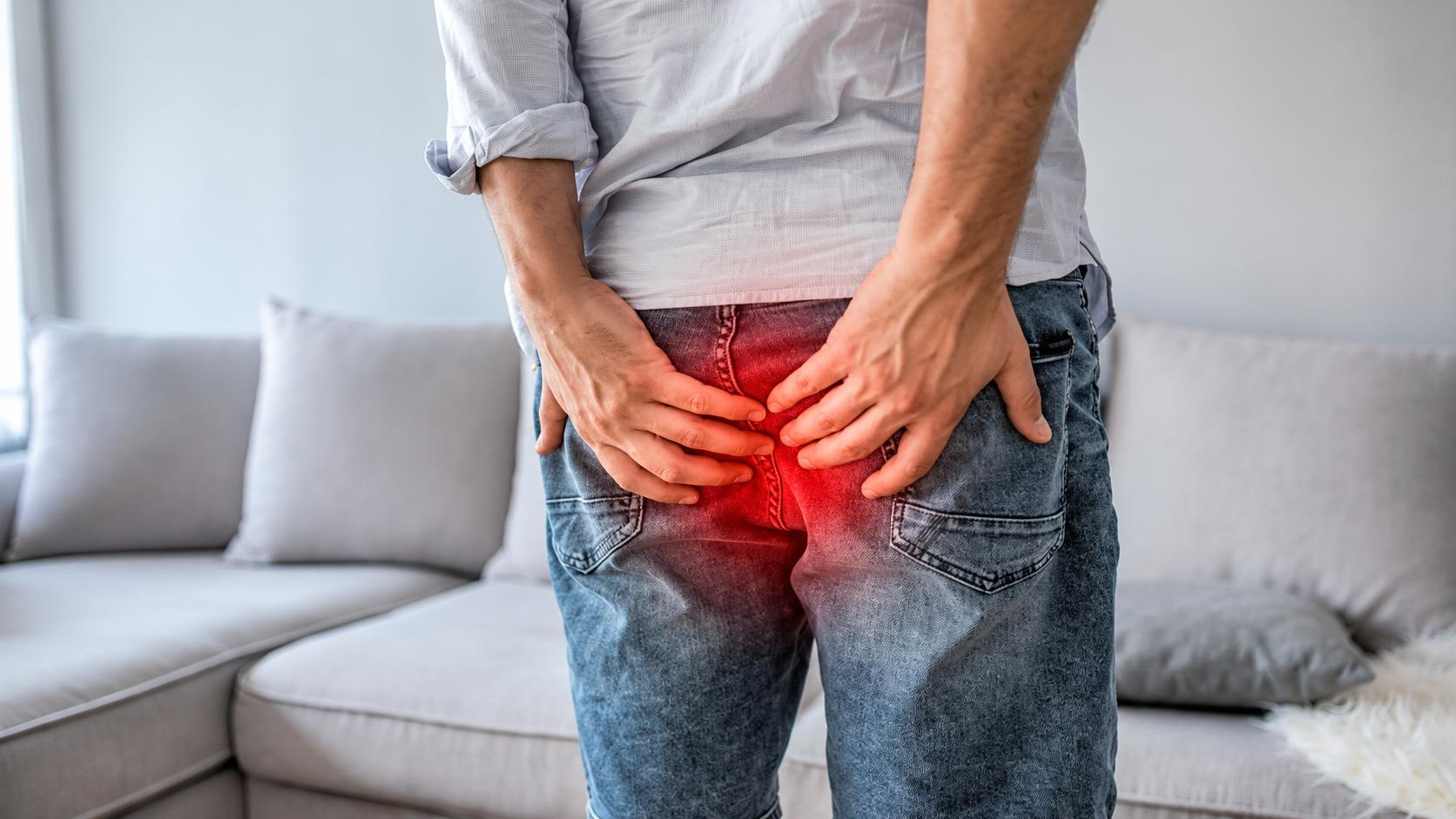
Piles, medically known as haemorrhoids, are swollen blood vessels found in and around the anus and rectum, an extremely common condition affecting an estimated one in two people in the UK at some point in their lives, most commonly between the ages of forty-five and sixty-five. Despite how common they are, many people feel genuinely embarrassed discussing symptoms, which can occasionally delay seeking helpful treatment.
Piles develop when the blood vessels in this area become swollen, often as a result of increased pressure, commonly caused by straining during bowel movements, chronic constipation or diarrhoea, pregnancy, obesity, or spending long periods sitting on the toilet. Ageing also increases risk, since the tissues supporting these blood vessels naturally weaken somewhat over time.
Piles are generally classified by location, with internal piles developing inside the rectum, usually causing painless bleeding, and external piles developing under the skin around the anus, which can cause pain, itching and discomfort, particularly if a blood clot forms within an external pile, a painful condition known as a thrombosed haemorrhoid requiring more urgent attention.
Common symptoms include bright red blood on toilet paper or in the toilet bowl after a bowel movement, itching or irritation around the anus, discomfort or pain, particularly during bowel movements, and, in some cases, a lump or swelling that can be felt around the anus. Symptoms range from mild and barely noticeable through to genuinely quite uncomfortable, depending on severity.
While piles themselves are rarely dangerous, any rectal bleeding should genuinely be checked by a GP to rule out other, more serious causes, since bleeding can occasionally indicate other conditions, including bowel cancer, that require prompt investigation and treatment. This makes seeking medical advice important even though the underlying cause frequently turns out to be simple, harmless piles.
Treatment for mild piles often begins with simple self-care measures, including increasing dietary fibre intake to soften stools and reduce straining, staying well hydrated, avoiding spending excessive time sitting on the toilet, and using over-the-counter creams or suppositories to help ease itching and discomfort during flare-ups specifically.
For piles that do not improve with self-care measures, several further treatment options are available, including banding, a minor procedure that cuts off blood supply to the pile causing it to shrink and fall away naturally, and, for more severe or persistent cases, surgical removal, though this is generally reserved for cases that have not responded adequately to less invasive treatment options first.
Most people find their piles improve considerably with simple dietary and lifestyle changes alone, and further treatment options are widely available and generally very effective for cases that need them. Anyone experiencing rectal bleeding, persistent discomfort, or a lump around the anus should see a GP without embarrassment, since piles remain an extremely common, genuinely treatable condition.
GP practices across Newcastle see piles as one of the more common reasons patients seek advice about bowel symptoms, and staff are generally well used to discussing the condition discreetly and sensitively, meaning there is genuinely no need to feel embarrassed about seeking help.
Avoiding excessive use of laxatives, which can occasionally worsen symptoms for some people, and instead focusing on gradually increasing dietary fibre and fluid intake, generally offers a gentler and more sustainable long-term approach to managing mild, recurrent piles. Most people see a genuine improvement within just a few weeks of making these simple changes.
Regular gentle exercise, including walking, can also help support healthy bowel function more generally, reducing the likelihood of the straining and constipation that so often contributes to piles developing or worsening in the first place. It remains a condition that responds well to simple changes and, when needed, straightforward treatment. Speaking to a GP or pharmacist without embarrassment remains genuinely the quickest route to effective treatment and lasting relief from symptoms.
Building these habits into daily life genuinely helps most people avoid piles becoming a recurring, ongoing problem. That kind of steady, practical habit tends to make the biggest genuine difference over time.
Share your views.
Have you ever felt embarrassed discussing piles with a GP?
Health News
Piles (Haemorrhoids) Explained: Symptoms, Causes and Treatment
Piles are an extremely common condition affecting most people at some point, and despite the natural embarrassment many feel, effective treatment is widely and easily available.
Advertisement


Comments (0)
You must be logged in to post comments.
Don't have an account? Register here
No comments yet. Be the first to share your thoughts!