
In an age before modern medicine, people sought health and healing in the natural world, and few remedies were more highly prized than the sea. The Victorian belief in the health-giving properties of sea air and sea-bathing drew countless people to the coast, and the resorts of the North East flourished as people came to take the sea air in pursuit of health. The story of the seaside cure is a charming and fascinating chapter in the history of health and leisure.
The Belief in the Sea.
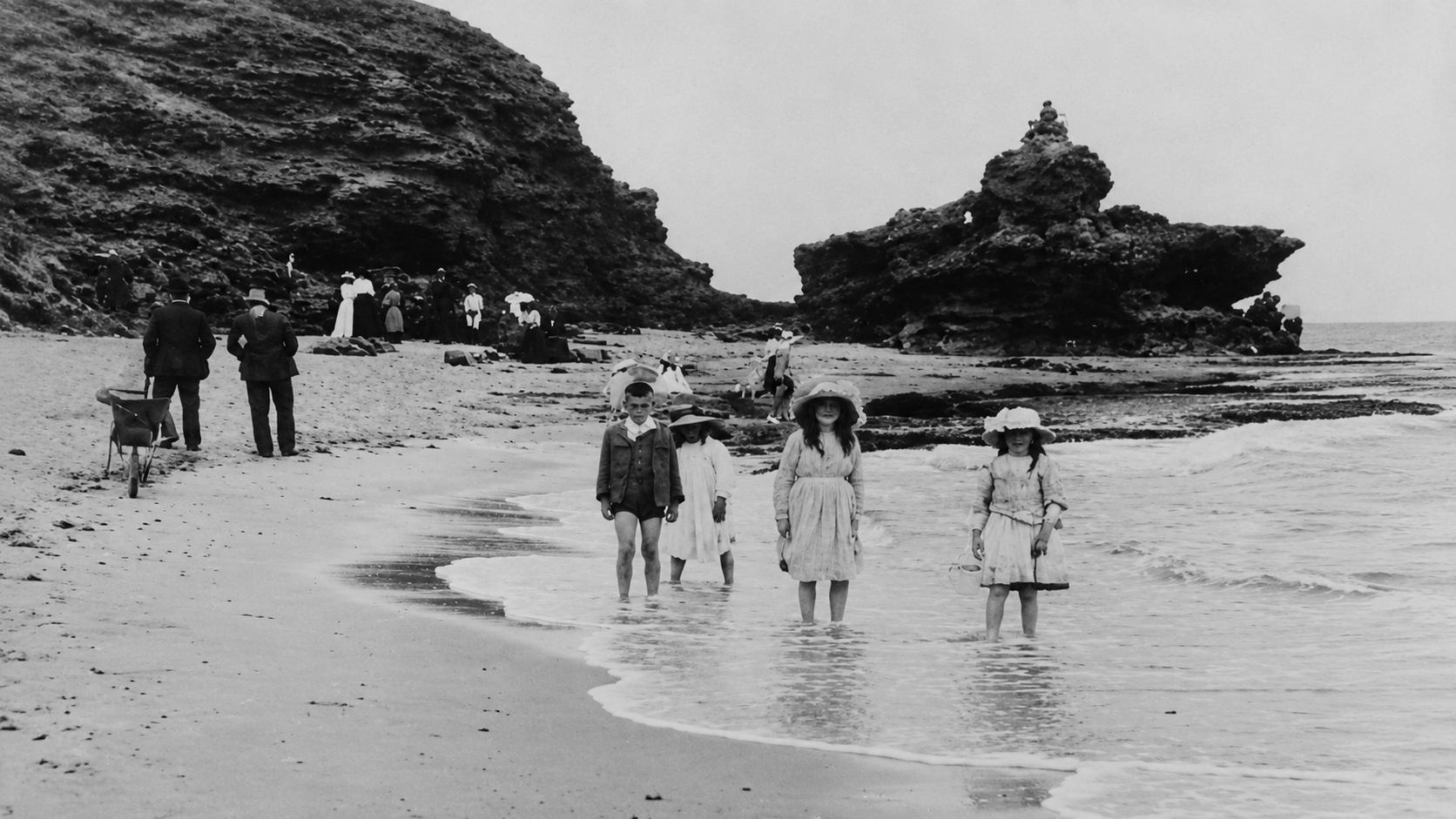
The Victorians held a strong belief in the health-giving properties of the sea, regarding sea air and sea-bathing as beneficial to health and a remedy for a variety of ailments. The bracing sea air, the cold salt water and the general environment of the coast were thought to be invigorating and restorative, and people were encouraged to visit the seaside for the good of their health. This belief had its roots in earlier ideas about the benefits of bathing and fresh air, and it became enormously popular during the nineteenth century. The pursuit of health was a major reason for the great popularity of the seaside, and the coast came to be seen as a place of healing as well as recreation.
The Rise of the Resorts.
The belief in the seaside cure, combined with the growth of leisure and the coming of the railways, led to the rise of the seaside resorts. Along the coast of the North East, towns such as those on the Tyneside and Northumberland coast developed as resorts where people could come to enjoy the sea air and the pleasures of the seaside. These resorts grew and prospered as visitors flocked to them, drawn by the promise of health and recreation. The development of the seaside resorts transformed stretches of the coast, bringing prosperity and new life to coastal towns and creating destinations that would be enjoyed by generations of visitors. The seaside became a place of escape and enjoyment for people of all kinds.
The Bathing Machines.
One of the most distinctive features of the Victorian seaside was the bathing machine, the curious wheeled hut that allowed bathers to enter the sea while preserving their modesty. These machines, drawn down to the water's edge, allowed the bather to change and to enter the water discreetly, in keeping with the modest conventions of the age. The bathing machines were a familiar sight on the beaches of the resorts, and they reflected both the popularity of sea-bathing and the social conventions that surrounded it. The elaborate arrangements for bathing, with their concern for modesty and propriety, are a charming reminder of the attitudes of the Victorian age and of the seriousness with which the seaside cure was pursued.
Health for All.
The benefits of the seaside were thought to be especially valuable for those whose health was poor or who lived in unhealthy conditions, and efforts were made to bring the seaside to those who could not otherwise afford it. Charitable schemes arranged for poor and sickly children from the towns to be taken to the coast for the benefit of the sea air, in the belief that it would improve their health. These efforts reflected the genuine conviction that the seaside was beneficial to health, and the desire to extend its benefits to those most in need. The provision of seaside visits for poor children was a notable expression of this belief, bringing the supposed benefits of the sea to those who needed them most.
A Place of Recreation.
While health was an important reason for the popularity of the seaside, the resorts also offered recreation and enjoyment, and the two were closely intertwined. Visitors came to enjoy the beach, the promenade, the pier and the various attractions of the seaside, combining the pursuit of health with the pleasures of a holiday. The seaside resorts developed a wealth of attractions and amusements to entertain their visitors, and they became places of fun and relaxation as well as of health. This combination of health and recreation was at the heart of the appeal of the seaside, and it made the resorts enormously popular destinations for people seeking both wellbeing and enjoyment.
A Changing Understanding.
Over time, the understanding of health and the role of the seaside changed, as medical knowledge advanced and ideas about the causes of illness developed. The specific belief in the curative powers of sea air and sea-bathing gave way to a more scientific understanding of health, and the seaside came to be valued more for its recreational than its medicinal benefits. Yet the association of the seaside with health and wellbeing endured, and the coast remained a place to which people went for rest, refreshment and the restoration of body and spirit. The benefits of fresh air, exercise and relaxation by the sea continued to be appreciated, even as the specific beliefs of the Victorian age faded.
A Charming Heritage.
The Victorian seaside cure is a charming and fascinating part of the history of health and leisure in the North East. The belief in the health-giving sea, the rise of the resorts, the curious bathing machines and the efforts to bring the seaside to those in need all combine to form a delightful chapter in the region's history. Though the specific beliefs of the age have faded, the association of the coast with health and wellbeing endures, and the seaside remains a place to which people go for rest and refreshment. The heritage of the seaside cure reminds us of an age when health was sought in the natural world, and of the enduring appeal of the sea and the coast.
The Enduring Appeal of the Coast.
Although the specific Victorian belief in the curative powers of sea air and sea-bathing has faded, the deeper association of the coast with health and wellbeing has proved remarkably enduring, and people continue to be drawn to the sea for the restoration of body and spirit.
There is something genuinely refreshing and restorative about a visit to the coast, in the fresh air, the exercise of walking on the beach, the sound of the waves and the sense of space and openness that the seaside provides.
These benefits, though not the specific cures that the Victorians believed in, are real and valuable, contributing to relaxation, wellbeing and a sense of refreshment. The coast offers an escape from the pressures and confinement of everyday life, a place where people can breathe fresh air, take gentle exercise and find a sense of calm and renewal.
This enduring appeal of the coast as a place of health and wellbeing reflects a genuine human need for contact with nature and for the restorative benefits of the natural environment. The seaside continues to draw people seeking rest and refreshment, just as it did in the days of the seaside cure, even if the understanding of its benefits has changed.
The association of the coast with health and wellbeing, rooted in the Victorian seaside cure but enduring long after the specific beliefs have faded, reflects the timeless appeal of the sea and the genuine benefits of time spent by the coast.
The seaside remains a place to which people go for the restoration of body and spirit, a place of health and wellbeing in the deepest and most enduring sense, and the pull of the coast is as strong today as it ever was.
We want to hear from you.
The Victorians believed in the health-giving power of sea air, drawing crowds to the coast for the seaside cure.
Does a trip to the coast still leave you feeling refreshed and restored?
Health News
Taking the Sea Air: The Victorian Seaside Cure
A look at the Victorian seaside cure, the belief in the health-giving power of sea air that drew crowds to the North East coast and built its seaside resorts.
Advertisement





Comments (0)
You must be logged in to post comments.
Don't have an account? Register here
No comments yet. Be the first to share your thoughts!