
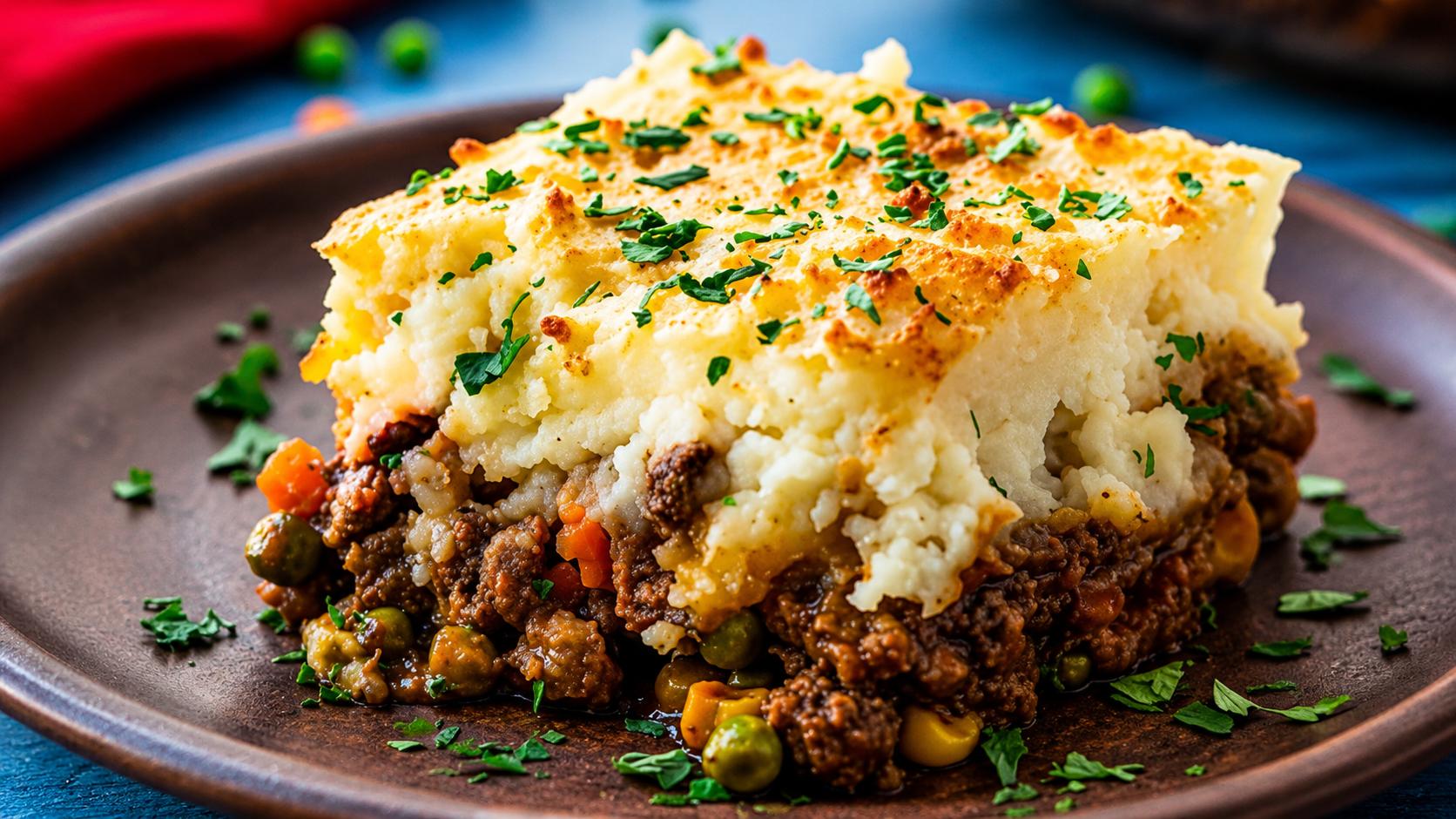
Shepherd's pie and cottage pie rank among Britain's most beloved comfort foods, both featuring a base of minced meat in gravy topped with a generous layer of mashed potato, baked until golden. Yet despite their near-identical appearance and preparation, a genuine and historically meaningful distinction separates the two dishes, one frequently confused or overlooked entirely by diners and even some restaurants.
Lamb or Beef: The Real Distinction.
The defining difference comes down to a single ingredient: shepherd's pie is traditionally made with minced lamb, while cottage pie uses minced beef instead. This distinction reflects the dishes' genuinely separate historical origins, with the specific name "shepherd" directly referencing the animal traditionally tended by shepherds, making lamb the only historically correct meat for a dish carrying that particular name.
Which Dish Came First.
Cottage pie is generally considered the older of the two dishes, with the name first appearing in print during the late eighteenth century, at a time when potatoes were becoming an increasingly affordable staple among poorer households across Britain. The dish takes its name from the humble cottages where working-class families most commonly prepared it, using inexpensive minced beef alongside cheap, filling mashed potato.
Shepherd's pie emerged somewhat later, first appearing in print during the nineteenth century, specifically distinguished by its use of lamb or mutton rather than beef. The name change reflected a genuine culinary distinction being drawn between the two dishes for the first time, rather than simply representing an alternative name for an identical recipe using different terminology.
A Dish Born From Leftovers.
Both dishes share the same essential practical origins, having developed as genuinely resourceful ways to use leftover roasted meat, minced and combined with gravy before being topped with mashed potato and baked until the surface turned appropriately golden and slightly crisp, making both dishes classic examples of British culinary thrift and resourcefulness in the kitchen.
Modern Variations and Enduring Popularity.
Modern usage of the two terms has become considerably looser than the traditional historical distinction suggests, with many restaurants and home cooks today using "shepherd's pie" as a general catch-all term regardless of which specific meat is actually used, a trend that traditionalists and food historians alike consistently point out technically misuses the dish's genuinely specific original name.
Regional and family variations of both dishes have developed extensively across Britain over the generations, with different households adding their own preferred vegetables, herbs and seasonings to the meat filling, while the mashed potato topping itself varies from simple and smooth through to more elaborate versions incorporating cheese or other flavourings for extra richness.
Whichever version graces the table, both shepherd's pie and cottage pie remain enduringly popular across pubs, restaurants and home kitchens throughout Newcastle and the wider country, valued for their genuine comfort, affordability and the deeply satisfying combination of savoury minced meat and creamy mashed potato that has kept both dishes popular for well over a century.
A Dish for Every Household.
Both shepherd's and cottage pie have long lent themselves to genuine family adaptation, with different households adding their own preferred vegetables, from carrots and peas through to sweetcorn, reflecting the dish's fundamentally flexible, forgiving nature as a genuinely practical family meal.
This adaptability has helped both dishes remain popular across generations, since they can be easily adjusted to suit whatever ingredients happen to be available, making them a genuinely reliable choice for busy households looking to stretch a modest amount of meat considerably further.
Two Names, One Enduring Appeal.
Whichever name a menu uses, diners rarely seem to mind the technical distinction in practice, with both versions continuing to sell well across pubs and restaurants regardless of whether the kitchen has used the historically correct meat for the specific name printed on the menu. Both dishes remain reliably popular regardless of which name actually appears on the menu.
Butchers across Newcastle and the wider North East continue selling both cuts specifically labelled for each version of the dish, helping ensure customers keen on the traditional distinction can still buy the genuinely correct meat for whichever version they intend to cook at home.
Share your views.
Do you use lamb or beef in your pie?
Food & Drink News
Shepherd's Pie and Cottage Pie: What's the Actual Difference?
These two beloved British comfort dishes are frequently confused, yet the distinction between them comes down to one simple, historically significant ingredient.
Advertisement

Comments (0)
You must be logged in to post comments.
Don't have an account? Register here
No comments yet. Be the first to share your thoughts!