
For many people across Newcastle and the North East, visiting the dentist can be stressful enough without having to worry about an overactive gag reflex. Yet it is a surprisingly common issue that can make routine check-ups, dental impressions and even brushing your teeth feel uncomfortable.
Health experts say the gag reflex is a completely normal protective response, but for some people it becomes much more sensitive than average. Understanding why it happens and learning simple ways to manage it can help make dental appointments much less daunting.
With NHS dental services continuing to recover from recent pressures, local dentists are encouraging patients not to delay treatment because of embarrassment over gagging during appointments.
What is a gag reflex?.
The gag reflex, sometimes called the pharyngeal reflex, is an automatic response designed to protect your airway.
When something touches sensitive areas towards the back of the mouth or throat, muscles contract to help prevent choking or foreign objects entering the airway. It is one of the body's most important defence mechanisms.
For most people this only happens when necessary. However, some develop a hypersensitive gag reflex that can be triggered much more easily during dental treatment, brushing teeth or even while swallowing tablets.
Why some people gag more than others.
There is no single cause of a sensitive gag reflex.
Physical triggers include dental instruments, toothbrushes, impression trays or food touching the back of the tongue or soft palate. Psychological factors can also play a major role.
Previous unpleasant dental experiences, anxiety, stress and fear can all increase the likelihood of gagging. In some cases, simply thinking about dental treatment or hearing dental equipment may be enough to trigger the reflex before any examination begins.
Research also suggests the condition affects a notable proportion of dental patients. One recent review found approximately 8.2 percent of people undergoing dental treatment experience significant gag reflex-related discomfort, while up to one in five may avoid dental procedures because of it.
How Newcastle dentists help patients.
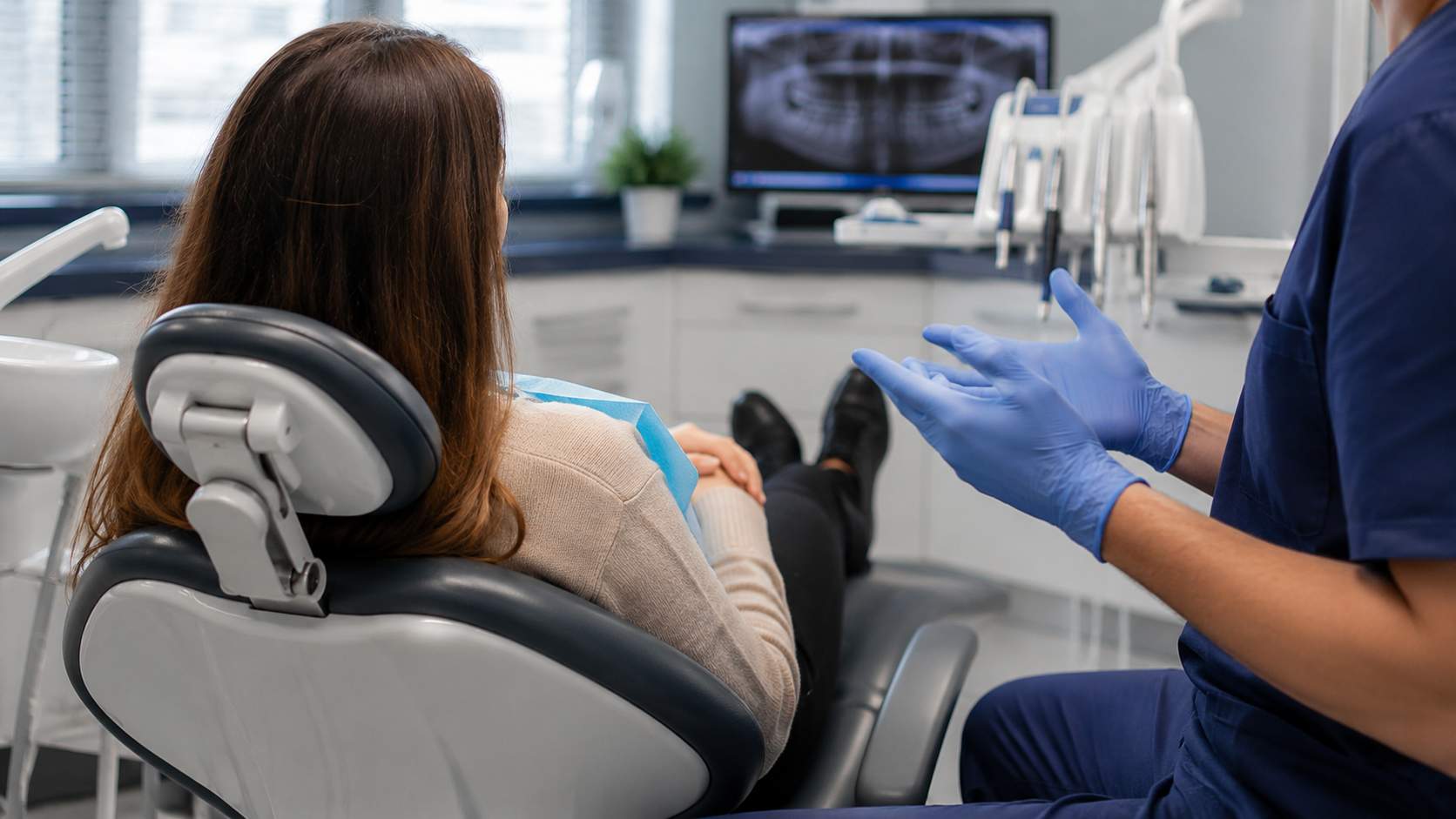
Dental professionals across Newcastle regularly support patients with sensitive gag reflexes and use several techniques to make treatment more comfortable.
Appointments are often adapted by allowing regular breaks, encouraging slower breathing, changing patient positioning or using smaller dental instruments where possible.
Some practices also recommend relaxation techniques before treatment, while others may offer sedation for patients whose gag reflex is linked to severe dental anxiety.
Psychological approaches, including gradual desensitisation and relaxation exercises, are also becoming more common. A recent review published in the British Dental Journal found that psychological interventions enabled all patients included in small studies to complete dental treatment, with 87.5 percent reporting no gagging after treatment programmes. Researchers stressed that larger studies are still needed, but the early findings are encouraging.
Can you reduce your gag reflex at home?.
Although there is no instant cure, several strategies may help reduce symptoms.
Dentists often recommend breathing slowly through your nose while brushing the back teeth, using a toothbrush with a smaller head and gradually increasing tolerance by brushing slightly further back over time.
Relaxation exercises before appointments may also help, particularly for people whose gag reflex is linked to anxiety.
Some people find distraction techniques, such as listening to music or focusing on controlled breathing, make treatment easier.
Experts advise against avoiding dental appointments altogether, as delaying treatment can often lead to more complex procedures later.
Why oral health still matters.
Good oral health remains essential regardless of whether you have a sensitive gag reflex.
According to the latest NHS Dental Statistics for England, around 18 million adults saw an NHS dentist during the 24 months to March 2025, while dentists delivered approximately 35 million courses of treatment during 2024 to 2025. The figures highlight just how many people continue to rely on routine dental care every year.
Dental professionals say anyone who struggles with gagging should mention it before treatment begins. Understanding the problem allows clinicians to tailor appointments and reduce unnecessary discomfort.
Seeking help sooner rather than later.
Living with a sensitive gag reflex can be frustrating, but it should never become a barrier to maintaining good oral health.
Across Newcastle and the wider North East, dental teams are increasingly aware of the challenges patients face and have a wide range of techniques available to make treatment more comfortable.
Speaking openly with your dentist is often the first step towards finding an approach that works, helping you receive the care you need while keeping anxiety and discomfort to a minimum.
Share your thoughts below.
What tips do you have to reduce gag reflex issues?
Health News
Simple Ways to Reduce Your Gag Reflex Action
Advertisement




Comments (0)
You must be logged in to post comments.
Don't have an account? Register here
No comments yet. Be the first to share your thoughts!