
Sleep apnoea is a common condition in which breathing repeatedly stops and starts during sleep, sometimes hundreds of times a night in more severe cases, disrupting sleep quality considerably even when the person affected has no memory of waking. Obstructive sleep apnoea, by far the most common form, occurs when the muscles in the throat relax excessively during sleep, temporarily blocking the airway.
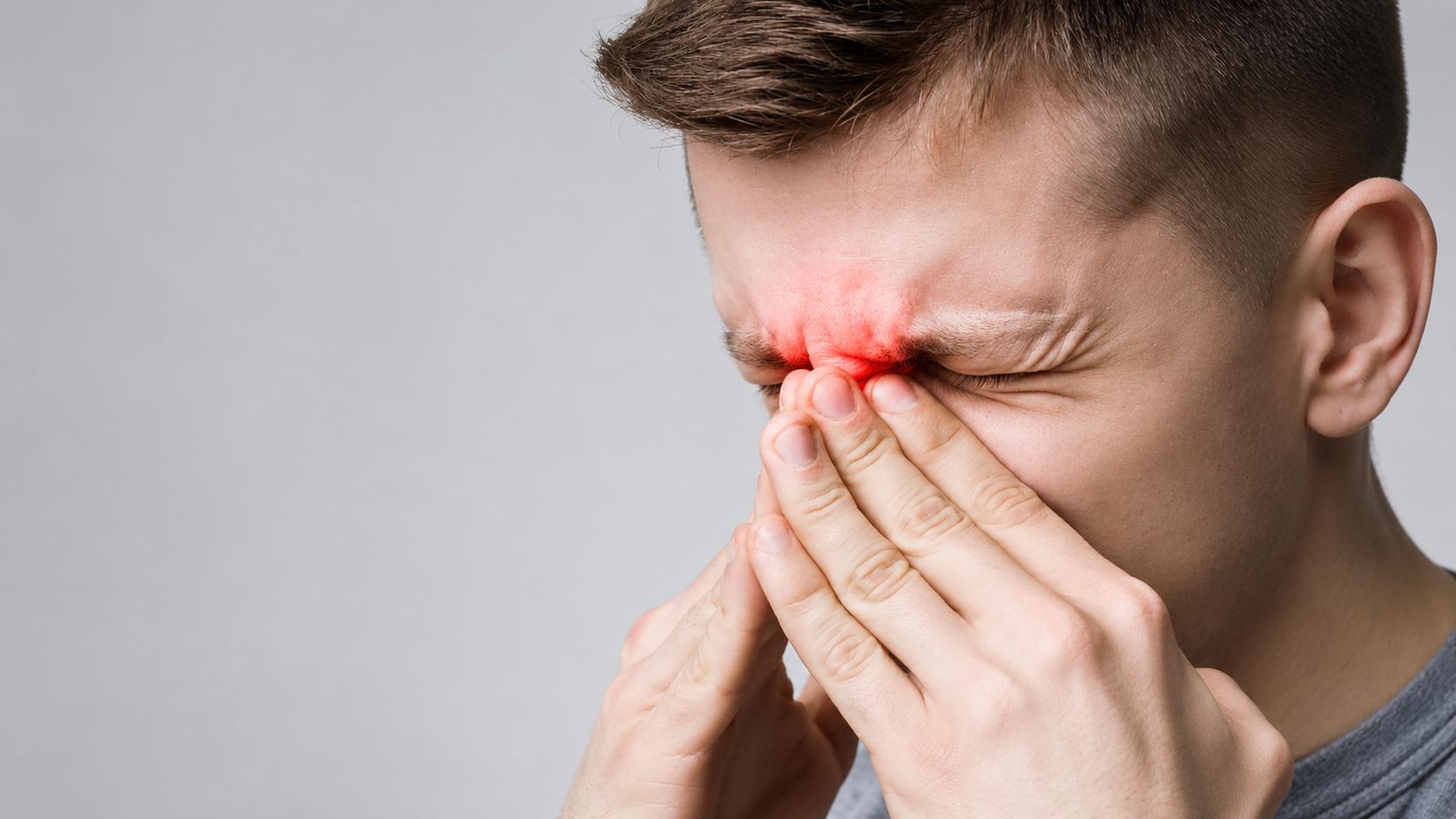
Common symptoms include loud, persistent snoring, noticeable pauses in breathing during sleep, often first noticed by a partner rather than the affected person themselves, gasping or choking sounds during sleep, and excessive daytime tiredness despite seemingly getting enough hours of sleep. Morning headaches, difficulty concentrating and irritability are also commonly reported by people living with undiagnosed sleep apnoea.
Several factors increase the risk of developing sleep apnoea, including being overweight, particularly carrying excess weight around the neck, being male, smoking, drinking alcohol, especially before bedtime, having a naturally narrower airway, and having a family history of the condition. Age also increases risk somewhat, with the condition becoming considerably more common from middle age onward.
Sleep apnoea carries genuinely significant health implications beyond simple tiredness, since repeatedly disrupted sleep and reduced oxygen levels place additional strain on the cardiovascular system. Untreated sleep apnoea is linked with an increased risk of high blood pressure, heart disease, stroke and type 2 diabetes, alongside significantly increasing the risk of accidents caused by daytime drowsiness, including while driving.
Diagnosis typically involves a sleep study, which can sometimes be conducted at home using a portable monitoring device that tracks breathing patterns, oxygen levels and other relevant measurements overnight. More detailed assessment may occasionally take place in a dedicated sleep clinic, particularly for more complex cases requiring closer, more detailed monitoring and assessment.
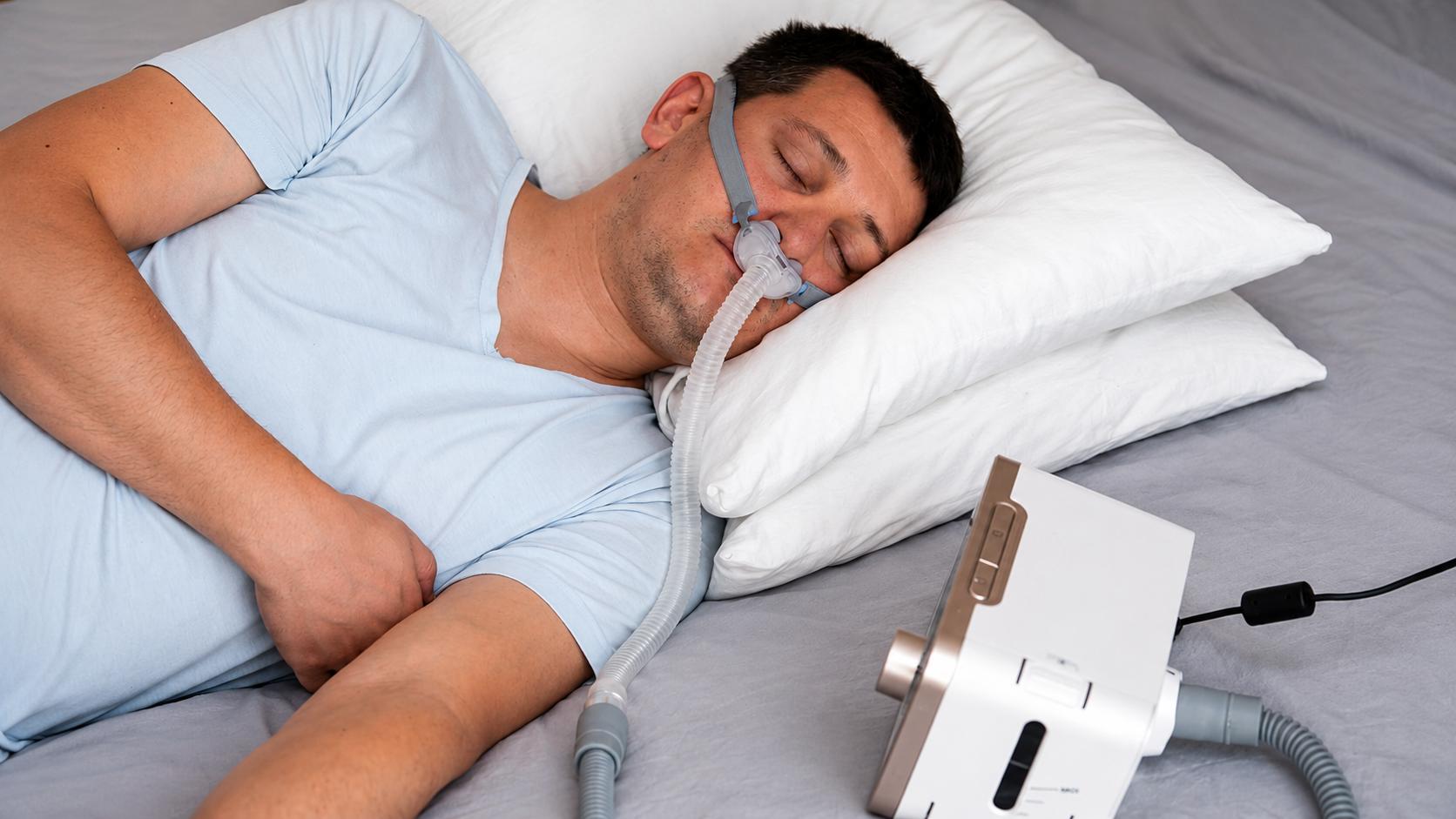
The most common and effective treatment for moderate to severe obstructive sleep apnoea is continuous positive airway pressure therapy, commonly known as CPAP, which uses a machine to deliver a gentle, steady stream of air through a mask worn during sleep, keeping the airway open and preventing the breathing interruptions characteristic of the condition.
Lifestyle changes can also genuinely help manage sleep apnoea, particularly for milder cases, including losing weight where relevant, reducing alcohol consumption, especially in the hours before bedtime, quitting smoking, and sleeping on your side rather than your back, since back-sleeping tends to worsen airway obstruction for many people with the condition.
Getting sleep apnoea properly diagnosed and treated can genuinely transform quality of life for many sufferers, improving energy levels, concentration and overall health considerably. Anyone experiencing loud snoring alongside noticeable breathing pauses, or persistent excessive daytime tiredness, should speak to a GP about a possible sleep study, since effective treatment is widely available once properly diagnosed.
Newcastle's dedicated sleep services offer assessment and treatment for suspected sleep apnoea, including home-based sleep studies for many patients, reflecting the genuinely wide-reaching health impact untreated sleep apnoea can have if it continues going undiagnosed for a significant length of time. Simple changes to the bedroom environment, including maintaining a cooler room temperature and a consistent sleep schedule, can genuinely support better sleep quality alongside any specific medical treatment prescribed for diagnosed sleep apnoea itself.
Proper treatment tends to produce noticeably better energy and concentration within just a few weeks. Partners of people with suspected sleep apnoea often play a genuinely important role in diagnosis too, since they are frequently the first to notice the loud snoring and breathing pauses that prompt someone to actually seek medical advice in the first place. It is a condition that, once properly diagnosed, responds remarkably well to appropriate treatment.
The British Snoring and Sleep Apnoea Association offers genuinely useful resources for anyone wanting more detailed guidance on the condition. Building awareness of the condition genuinely helps more people seek the treatment that could transform their day-to-day energy levels. That kind of steady, growing awareness tends to make the biggest genuine difference for sufferers.
Share your thoughts.
Has a partner ever noticed your breathing pause at night?
Health News
Sleep Apnoea Explained: Symptoms, Causes and Treatment
Sleep apnoea affects millions of people in the UK, many of them undiagnosed, and recognising the warning signs can lead to genuinely life-changing treatment.
Advertisement




Comments (0)
You must be logged in to post comments.
Don't have an account? Register here
No comments yet. Be the first to share your thoughts!