
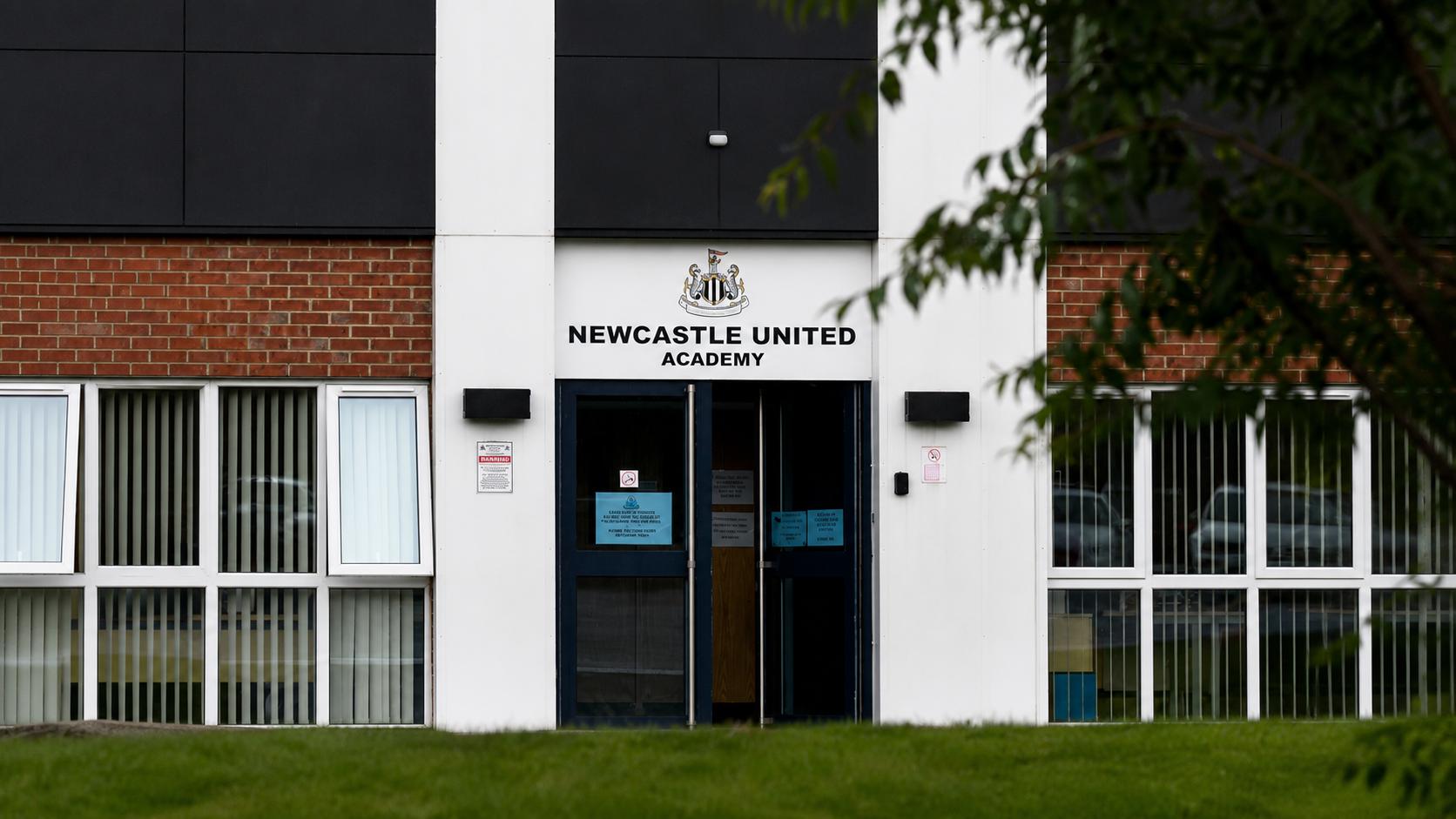
For every player who makes a celebrated first-team debut at St James' Park, there are years of largely unseen work behind the scenes at the club's academy, where young players are developed technically, physically and mentally long before most supporters ever hear their names mentioned in connection with the senior side.
Newcastle United's academy operates across multiple age groups, working with players from a young age through to those on the verge of a professional contract, gradually increasing the intensity and expectations placed on players as they progress through the system. Very few players who enter the academy as children ultimately make it all the way through to a first-team debut.
Local recruitment forms an important part of the academy's identity, with the club placing genuine value on identifying and developing talent from within the North East itself, alongside recruiting more widely when necessary. A homegrown player making their senior debut tends to generate a distinctly warmer reception from supporters than a similarly talented arrival from elsewhere.
Education and welfare support run alongside the purely footballing side of academy life, reflecting a wider recognition across the professional game that the vast majority of academy players will not ultimately make a living from football, making it essential that young players are given a genuine, balanced education and support structure regardless of their eventual footballing outcome.
Loan spells at clubs in lower divisions have become an increasingly important part of the modern academy pathway, giving promising young players senior, competitive first-team experience that the step up from academy football to the Premier League simply cannot replicate on its own, before a possible return to challenge for a place in Newcastle's own senior squad.
Success stories from the academy, players who progress all the way through to regular first-team involvement, remain relatively rare in the modern game, given the financial resources clubs increasingly commit to recruiting the finished article from elsewhere. When it does happen, however, those breakthroughs tend to be celebrated with particular warmth by supporters who feel a genuine sense of ownership over a player's development.
Coaching staff within the academy place considerable emphasis on decision-making and game intelligence alongside pure technical ability, reflecting a wider shift across professional football toward valuing players who can read the game quickly, rather than focusing purely on athleticism or raw technical skill in isolation.
Parents of academy players are typically drawn into the process closely too, attending training sessions and matches regularly and often forming their own informal support network with other academy families, sharing the particular pressures and uncertainties that come with having a child on a professional football pathway from a young age.
Sports science and fitness testing now form a standard part of academy life at every age group, reflecting how significantly the demands placed on aspiring professional footballers have increased compared with the far less structured youth development pathways of previous generations.
Whatever the eventual outcome for any individual player, the academy's ongoing work remains a quietly essential part of Newcastle United's wider footballing operation, providing both a pipeline of potential first-team talent and a source of local pride that a purely transfer-driven approach to squad building could never fully replicate.
Join the discussion.
Do you recall any current NUFC stars that came through Newcastle's academy?
Sports News
The Academy Pathway: How Newcastle United Develops Young Talent
Behind every first-team debut lies years of academy development, and Newcastle United's youth pathway remains a crucial part of the club's long-term footballing identity.
Advertisement





Comments (0)
You must be logged in to post comments.
Don't have an account? Register here
No comments yet. Be the first to share your thoughts!