
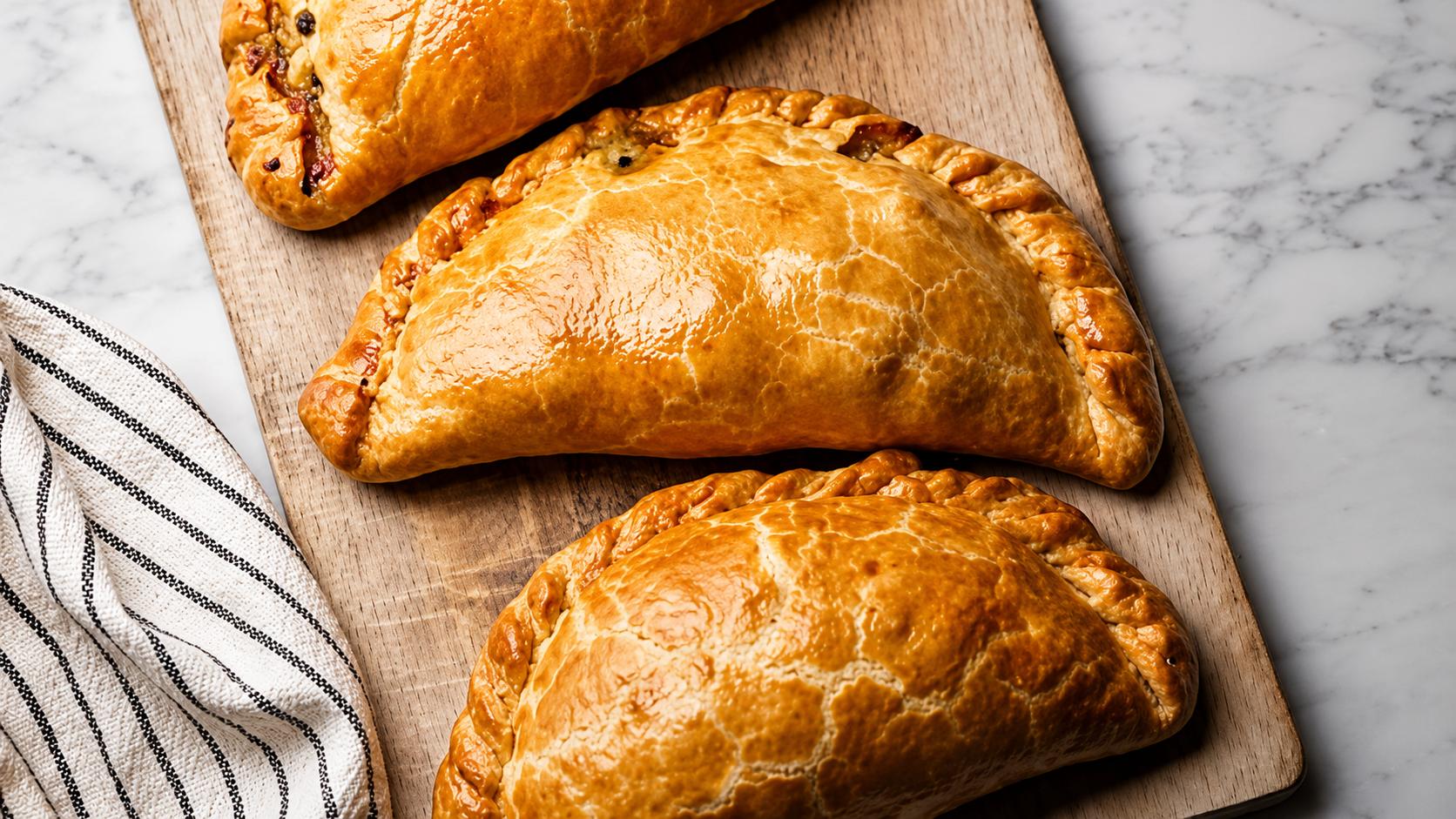
The Cornish pasty, a distinctive folded pastry parcel traditionally filled with beef, potato, swede and onion, ranks among Britain's most recognisable regional foods, carrying a history and cultural significance genuinely substantial enough to have earned it formal legal protection, a status shared by remarkably few other British dishes.
Born in the Cornish Tin Mines.
The pasty's origins trace back centuries within Cornwall specifically, closely associated with the region's historically dominant tin and copper mining industries. Miners working long shifts underground needed food that was genuinely portable, filling and, crucially, could be eaten easily without cutlery, given the often dirty conditions found deep within Cornish mines during the eighteenth and nineteenth centuries.
The pasty's distinctive thick, crimped edge served a genuinely practical purpose specifically for miners, functioning as a handle that could be held with dirty hands and discarded afterward, minimising the risk of arsenic and other harmful substances commonly found in mining environments being accidentally ingested alongside the actual meal itself, a genuinely clever piece of practical food design.
A Two-Course Meal in One Pasty.
Traditional pasties were sometimes even made with two different fillings within a single pasty, savoury at one end and sweet, perhaps containing fruit, at the other, allowing a miner to enjoy a complete meal from one single, portable parcel, with the pasty's distinctive shape sometimes marked with the worker's own initials to help distinguish individual pasties from one another during a shared underground meal break.
Legally Protected Like Champagne.
The Cornish pasty received Protected Geographical Indication status from the European Union in 2011, meaning genuine "Cornish pasties" must be made in Cornwall specifically, following a traditional recipe and shape, in much the same way that Champagne must genuinely originate from the specific French region of that name, a status that has remained in place following the UK's departure from the EU.
From Cornwall to the World.
Cornish mining communities carried the tradition of pasty-making with them as they emigrated internationally during the nineteenth century, particularly to mining regions in the United States, Australia and Mexico, meaning distinctly Cornish-influenced pasty traditions can genuinely still be found today in mining communities scattered right across the world, a lasting testament to Cornwall's own considerable mining diaspora.
Beyond Cornwall itself, the pasty has become a genuinely popular food across the entire United Kingdom, widely available from bakeries, supermarkets and dedicated pasty shops nationwide, including throughout Newcastle and the wider North East, though traditionalists consistently maintain that a properly authentic pasty can genuinely only be found within Cornwall itself, following the region's protected traditional recipe.
The Cornish pasty's journey from a genuinely practical miner's meal to a nationally beloved, legally protected food icon reflects a wider pattern seen across British culinary history, where dishes born from necessity and hardship gradually transform into cherished cultural symbols. Its distinctive shape and rich history continue making it one of Britain's most instantly recognisable regional foods today.
Pasty Day Celebrations.
The pasty's cultural significance is celebrated annually through World Pasty Day, held each February, with events and celebrations taking place both across Cornwall and, increasingly, in Cornish communities and pasty shops located across the rest of the country, including the North East.
The celebration reflects genuine, continued pride in the pasty as a distinctly British regional food, with its protected status ensuring the dish's traditional recipe and reputation remain properly safeguarded for future generations, regardless of how widely it continues spreading across the country.
A Source of Genuine Local Pride.
Cornish bakers take the pasty's reputation genuinely seriously, with many small, independent producers across Cornwall continuing to guard their own specific family recipes closely, treating the pasty as a matter of authentic regional pride rather than simply another product on the shelf. Its protected status ensures that pride continues being properly recognised for generations to come. Local Cornish pasty makers frequently compete in regional and national competitions specifically judging authenticity and quality, further reinforcing just how seriously the pasty's traditional reputation continues to be guarded by the communities most closely associated with its genuine origin.
Have your say.
Have you ever tried a genuine Cornish pasty in Cornwall?
Food & Drink News
The Cornish Pasty: The History of a Protected British Icon
The Cornish pasty carries such strong regional and historical significance that it now enjoys legal protection under European-derived food naming law, a status shared by very few British foods.
Advertisement

Comments (0)
You must be logged in to post comments.
Don't have an account? Register here
No comments yet. Be the first to share your thoughts!