
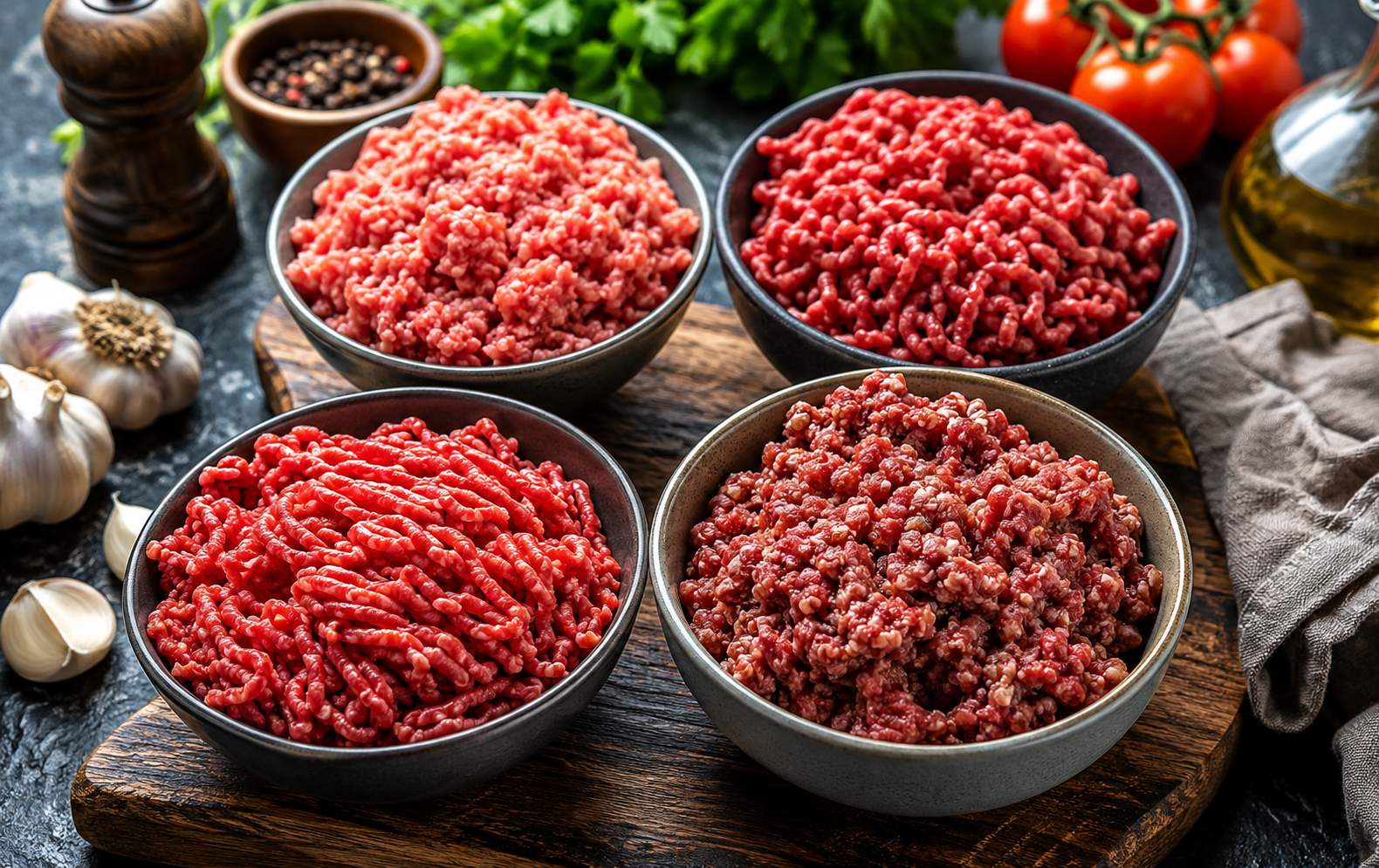
Walk into any supermarket or butcher's shop in Newcastle and you'll likely find several varieties of minced beef sitting side by side. Some are labelled as 5% fat, others 10%, 15% or even 20% fat. While many shoppers simply pick the cheapest pack or the leanest option available, the fat content of minced beef can dramatically change the flavour, texture and overall success of a meal.
Whether you're preparing a classic Geordie cottage pie, homemade burgers for a summer barbecue or a rich Bolognese sauce, understanding the differences between various mince percentages can help you achieve better results in the kitchen while balancing health considerations and budget.
With beef remaining one of Britain's favourite meats, consumers are increasingly paying attention to what goes into their shopping baskets. Research shows that beef mince remains the UK's most popular meat product, with households spending hundreds of millions of pounds on it every year.
What Do The Numbers On Minced Beef Mean?.
The numbers displayed on minced beef packaging refer to the ratio of lean meat to fat.
For example:
95/5 means 95% lean meat and 5% fat.
90/10 means 90% lean meat and 10% fat.
85/15 means 85% lean meat and 15% fat.
80/20 means 80% lean meat and 20% fat.
The higher the fat percentage, the richer and juicier the mince tends to be. The lower the fat percentage, the leaner and generally healthier the product becomes.
While many people automatically assume leaner is always better, professional chefs often argue that the right amount of fat is essential for flavour and texture.
95/5 Minced Beef: The Leanest Option Available.
At just 5% fat, this is among the leanest minced beef products commonly available in UK supermarkets.
Health-conscious consumers often favour 95/5 mince because it contains fewer calories and less saturated fat than higher-fat alternatives. It is also ideal for people following weight-loss programmes or monitoring cholesterol intake.
However, there is a trade-off.
Because there is so little fat present, the meat can dry out quickly during cooking. This means extra care is required when preparing dishes using lean mince.
Best uses include:
Chilli con carne.
Stuffed peppers.
Meat sauces with added vegetables.
Low-calorie meal preparation.
When using 95/5 mince, many cooks add onions, tomatoes or stock to help retain moisture.
90/10 Minced Beef: The Everyday Favourite.
For many households, 90/10 represents the sweet spot between flavour and nutrition.
Containing 10% fat, it provides more juiciness than extra-lean mince while still remaining relatively healthy.
This variety works particularly well in dishes where the beef cooks slowly and absorbs additional flavours from herbs, spices and sauces.
Popular uses include:
Cottage pie.
Spaghetti Bolognese.
Lasagne.
Meatballs.
Tacos.
Many Newcastle families preparing traditional comfort food dishes often opt for 90/10 because it delivers satisfying flavour without excessive grease.
For everyday cooking, it is arguably the most versatile option available.
85/15 Minced Beef: More Flavour, More Moisture.
Stepping up to 15% fat introduces noticeably richer flavour and a softer texture.
The additional fat helps keep the meat moist during cooking and creates a fuller mouthfeel that many people associate with restaurant-quality meals.
This percentage is often recommended for:
Homemade burgers.
Meatloaf.
Beef koftas.
Rich pasta sauces.
The extra fat also means ingredients bind together more easily, which can be useful when shaping burger patties or meatballs.
While slightly higher in calories, many chefs consider 85/15 a worthwhile compromise between health and taste.
80/20 Minced Beef: The Burger Champion.
Ask many professional burger makers what ratio they prefer and the answer is often 80/20.
The reason is simple.
Fat equals flavour.
During cooking, fat melts throughout the meat, creating a juicy texture and helping develop the caramelised crust that makes burgers so appealing.
An 80/20 mix is generally considered ideal for:
Smash burgers.
Gourmet burgers.
Barbecue patties.
Beef sliders.
Attempting to make burgers with extremely lean mince often results in dry, crumbly patties that lack the satisfying richness consumers expect.
The popularity of gourmet burger restaurants across Newcastle has helped increase awareness of the importance of fat content when creating the perfect burger.
How Fat Changes Taste And Texture.
Fat acts as a flavour carrier.
Many of the compounds that create beef's distinctive taste are fat-soluble, meaning they become more noticeable as fat levels increase.
Higher-fat mince generally offers:
Richer flavour.
Juicier texture.
Better browning.
Improved tenderness.
Lower-fat mince typically provides:
Fewer calories.
Less saturated fat.
Reduced grease.
Greater protein concentration per calorie.
This is why there is no universal "best" mince. The ideal choice depends entirely on the dish being prepared.
The Health Considerations Consumers Should Know.
From a nutritional perspective, leaner mince has clear advantages.
According to UK food composition data, reducing fat content lowers overall calorie intake while maintaining strong protein levels.
For consumers focused on:
Weight management.
Heart health.
Lower saturated fat intake.
Higher protein diets.
A 90/10 or 95/5 option may be preferable.
However, nutrition experts also note that moderate consumption of higher-fat beef can still form part of a balanced diet when portion sizes are controlled.
The key is understanding your personal dietary goals and choosing the appropriate product accordingly.
Newcastle's Long-Standing Love Affair With Beef Dishes.
Newcastle has always embraced hearty comfort food.
Traditional North East favourites such as cottage pie, mince and dumplings, and savoury beef pies have relied on minced beef for generations.
Local butchers across Tyneside frequently report strong demand for medium-fat mince because it offers enough richness for traditional recipes while remaining affordable for families.
The city's growing food scene has also introduced consumers to gourmet burgers, premium meatballs and artisan beef dishes, encouraging greater awareness of fat percentages and meat quality.
As Newcastle's restaurant industry continues to evolve, more home cooks are beginning to think like chefs when selecting their mince.
Interesting UK Beef Statistics.
The UK's beef industry remains a significant part of British agriculture.
Government figures show the value of UK beef and veal production reached approximately £3.9 billion in 2023. Domestic production accounted for around 85% of the UK's beef supply.
Industry research also indicates that beef mince remains the nation's most popular meat product. UK households purchased around £833 million worth of beef mince during a recent 12-month period.
Meanwhile, the UK produces more than 900,000 tonnes of beef annually, highlighting the continued importance of beef farming across the country.
These figures underline why understanding beef products such as minced beef remains highly relevant to British consumers.
Which Minced Beef Should You Buy?.
If you're still unsure which variety to choose, a simple rule applies.
Choose leaner mince for health-focused meals and dishes containing sauces or liquids.
Choose higher-fat mince when flavour, juiciness and texture are the priority.
For most households, 90/10 offers the best all-round balance.
For burgers, 80/20 usually wins.
For calorie-conscious cooking, 95/5 remains the standout choice.
Understanding these differences can transform ordinary meals into better-tasting dishes while helping consumers make informed nutritional decisions.
As food prices remain a concern for many families, selecting the right mince for the right recipe is one of the simplest ways to maximise both value and flavour in the kitchen.
Which Newcastle butcher or supermarket do you think sells the best minced beef?
Food & Drink News
This Simple Beef Choice Could Improve Every Meal You Cook
Advertisement

Comments (0)
You must be logged in to post comments.
Don't have an account? Register here
No comments yet. Be the first to share your thoughts!