
From university students revising for exams to professionals trying to stay productive during long workdays, nootropics are becoming increasingly popular across Newcastle and the wider UK.
Often referred to as "smart drugs" or cognitive enhancers, nootropics are substances believed to support mental performance, focus and concentration. Interest in these products has grown rapidly in recent years, with online searches for brain supplements reaching record levels as more people look for ways to improve productivity and mental clarity.
In Newcastle, health stores and supplement retailers have noticed growing demand for products linked to focus, energy and cognitive performance. Shops such as Holland & Barrett in Eldon Square, Sport Freak on Fenkle Street and Lean Greens in the city centre all stock a variety of supplements connected to general wellness and mental performance.
However, alongside rising popularity, health experts are also warning consumers to approach nootropics carefully, especially when purchasing supplements online.
What nootropics actually are.
The term "nootropic" was first introduced in the 1970s by Romanian psychologist and chemist Dr Corneliu Giurgea. He used it to describe substances believed to enhance brain function while causing minimal side effects.
Today, the term covers a wide range of products. Some nootropics are naturally occurring compounds, while others are synthetic supplements or prescription medications.
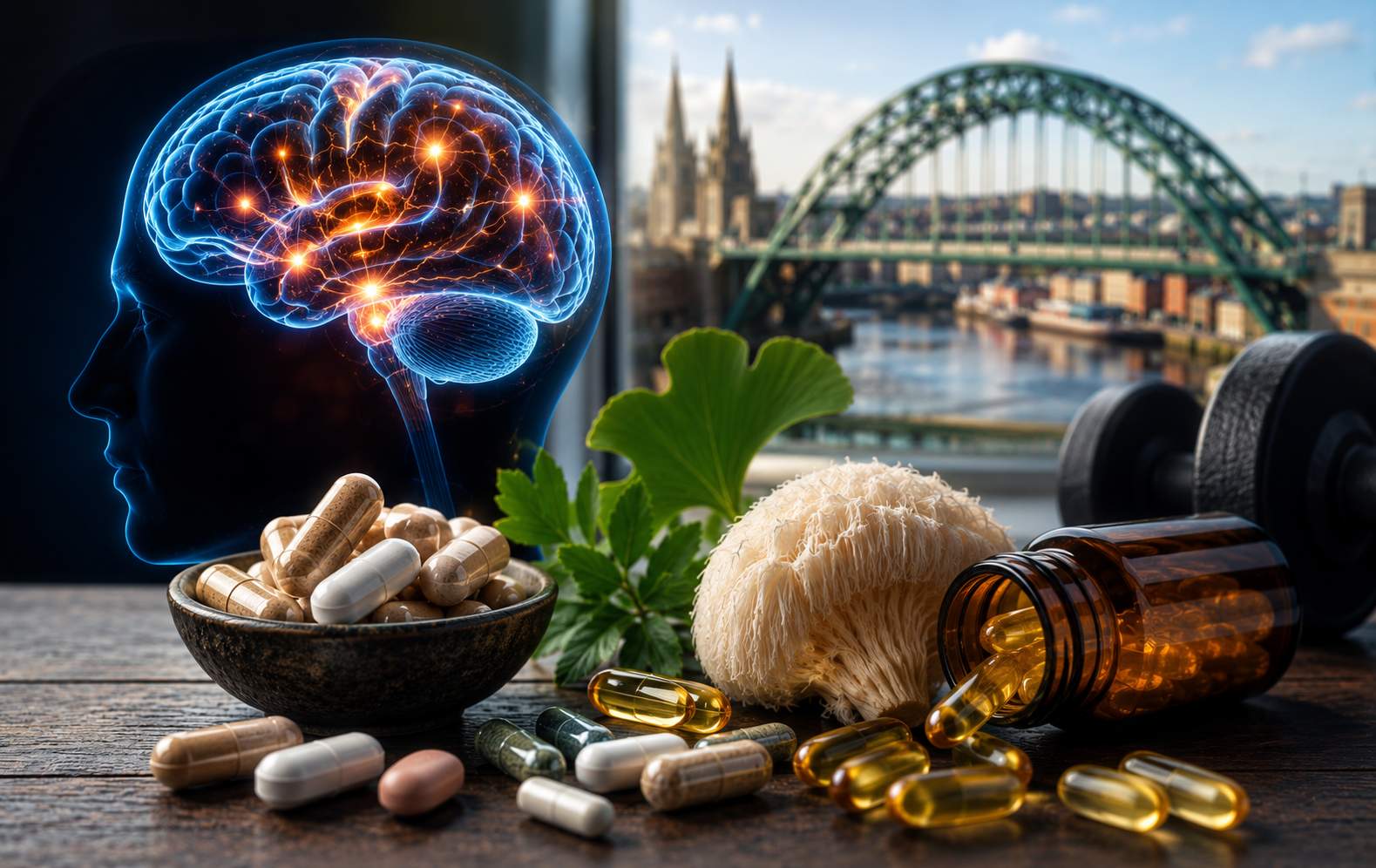
Common nootropics include caffeine, L-theanine, omega-3 fatty acids, creatine, ginseng and lion’s mane mushroom. Prescription drugs such as modafinil are also sometimes associated with cognitive enhancement, although these medications should only be used under medical supervision.
Many modern nootropic supplements combine several ingredients into capsules or powders marketed as focus boosters or productivity aids.
As Newcastle’s wellness market grows, more consumers are encountering these products both online and in local health stores.
Why Newcastle residents are becoming interested in nootropics.
The rise of nootropics reflects broader lifestyle changes taking place across the UK.
Long working hours, remote jobs, digital overload and increasing academic pressure have encouraged many people to search for products that may improve concentration and energy levels. Newcastle’s large student population, combined with the city’s growing business and technology sectors, has contributed to rising awareness around cognitive supplements.
Retailers across Newcastle have expanded their supplement ranges in response to growing demand. Stores such as Grape Tree at the Metrocentre and independent supplement retailers like Triple X Nutrition and Protein Superstore Newcastle have become increasingly popular destinations for health-conscious shoppers.
Social media has also played a major role in the trend. Influencers, entrepreneurs and fitness personalities frequently discuss focus supplements and productivity routines online, introducing nootropics to wider audiences.
At the same time, medical professionals say it is important to separate genuine science from exaggerated marketing claims.
How nootropics work inside the brain.
Different nootropics affect the brain in different ways.
Some influence neurotransmitters, which are chemical messengers responsible for communication between brain cells. Others may improve blood flow to the brain, reduce inflammation or support cellular energy production.
Caffeine remains one of the most widely used and scientifically researched nootropics. It works by blocking adenosine receptors linked to tiredness, helping increase alertness and concentration.
L-theanine, naturally found in green tea, is believed to encourage calmness and focus. Many users combine it with caffeine to create smoother energy levels without the stronger jitters associated with coffee alone.
Other ingredients such as omega-3 fatty acids and lion’s mane mushroom are being studied for their potential role in supporting long-term brain health and nerve growth.
Researchers continue examining whether certain nootropics may help reduce cognitive decline associated with ageing, although evidence varies significantly depending on the ingredient.
Are nootropics actually beneficial?
Some nootropics do appear to provide measurable benefits, but experts say effectiveness depends heavily on the ingredient, dosage and the individual using them.
Caffeine consistently shows benefits for alertness, reaction time and concentration when consumed moderately. Omega-3 fatty acids also have strong evidence supporting their role in brain and heart health.
L-theanine combined with caffeine has shown promise for attention and focus, while creatine may support short-term memory and mental performance in certain situations.
However, evidence supporting many newer nootropic products remains limited. Some supplements are backed mainly by small studies or anecdotal reports rather than large-scale clinical research.
Health professionals often stress that no supplement can fully replace sleep, balanced nutrition, exercise and stress management when it comes to cognitive performance.
The potential risks and side effects.
Although nootropics are often marketed as wellness products, they are not completely risk free.
Side effects vary depending on the ingredients involved. Some users report headaches, digestive issues, anxiety, insomnia or increased heart rate, particularly with stimulant-heavy products.
High caffeine supplements can also worsen nervousness or disrupt sleep patterns in some individuals.
Another major concern involves product quality and online safety. Unlike prescription medications, supplements are not always regulated to the same standards, meaning ingredient quality and dosage accuracy can differ significantly between brands.
Experts warn consumers to be cautious of products making extreme claims such as guaranteed intelligence boosts or instant memory improvements.
Prescription medications sometimes used for cognitive enhancement can carry more serious risks if taken without medical supervision.
Buying nootropics online safely.
Online shopping has transformed the supplement market, making nootropics widely accessible to consumers across Newcastle and beyond.
However, experts say buyers should approach online supplement purchases carefully.
Consumers are encouraged to research manufacturers thoroughly and choose reputable companies that provide transparent ingredient information and third-party testing. UK-based nootropic retailers such as Mind Nutrition have gained popularity by focusing on detailed product information and quality assurance.
Health professionals also recommend avoiding products that hide ingredient dosages behind vague "proprietary blends" or make unrealistic marketing promises.
In Newcastle, many residents still prefer visiting local supplement stores where they can speak directly with staff before purchasing products. Stores such as Holland & Barrett and Sport Freak remain popular because customers can discuss ingredients and wellness goals in person.
Anyone with underlying health conditions or those taking medication should speak with a healthcare professional before using stimulant-based nootropics.
Natural alternatives to nootropics.
While some supplements may offer benefits, many experts believe natural lifestyle changes remain the safest and most effective ways to support long-term brain health.
Sleep is considered one of the most important factors for concentration, memory and mental performance. Poor sleep quality can dramatically affect cognitive function regardless of supplement use.
Exercise also plays a major role in brain health by improving circulation and supporting chemicals linked to mood and memory.
Diet is another important factor. Foods rich in omega-3 fatty acids, antioxidants and vitamins may support cognitive function naturally. Fish, berries, nuts, leafy greens and seeds are commonly recommended as part of a brain-friendly diet.
Stress management, mindfulness and reducing excessive screen time can also improve concentration without relying heavily on supplements.
Even small lifestyle habits such as staying hydrated and taking regular breaks during work can positively affect focus and mental clarity.
Newcastle’s wellness culture continues evolving.
The growing interest in nootropics reflects wider changes in Newcastle’s health and wellness culture. Consumers are increasingly focused on mental performance, productivity and long-term wellbeing, driving demand for supplements linked to focus and brain health.
However, experts continue reminding people that nootropic products should be approached with realistic expectations rather than viewed as miracle solutions.
As the market expands further, stronger regulation and better public education around supplements may become increasingly important.
For Newcastle residents considering nootropics, understanding both the potential benefits and risks may help people make more informed decisions about what they put into their bodies.
Do you think natural lifestyle habits work better than cognitive enhancers? Join the discussion and tell us what helps you stay focused and productive every day.
Health News
What Are Nootropics and Are They Safe to Use?
Advertisement





Comments (0)
You must be logged in to post comments.
Don't have an account? Register here
No comments yet. Be the first to share your thoughts!